Article content
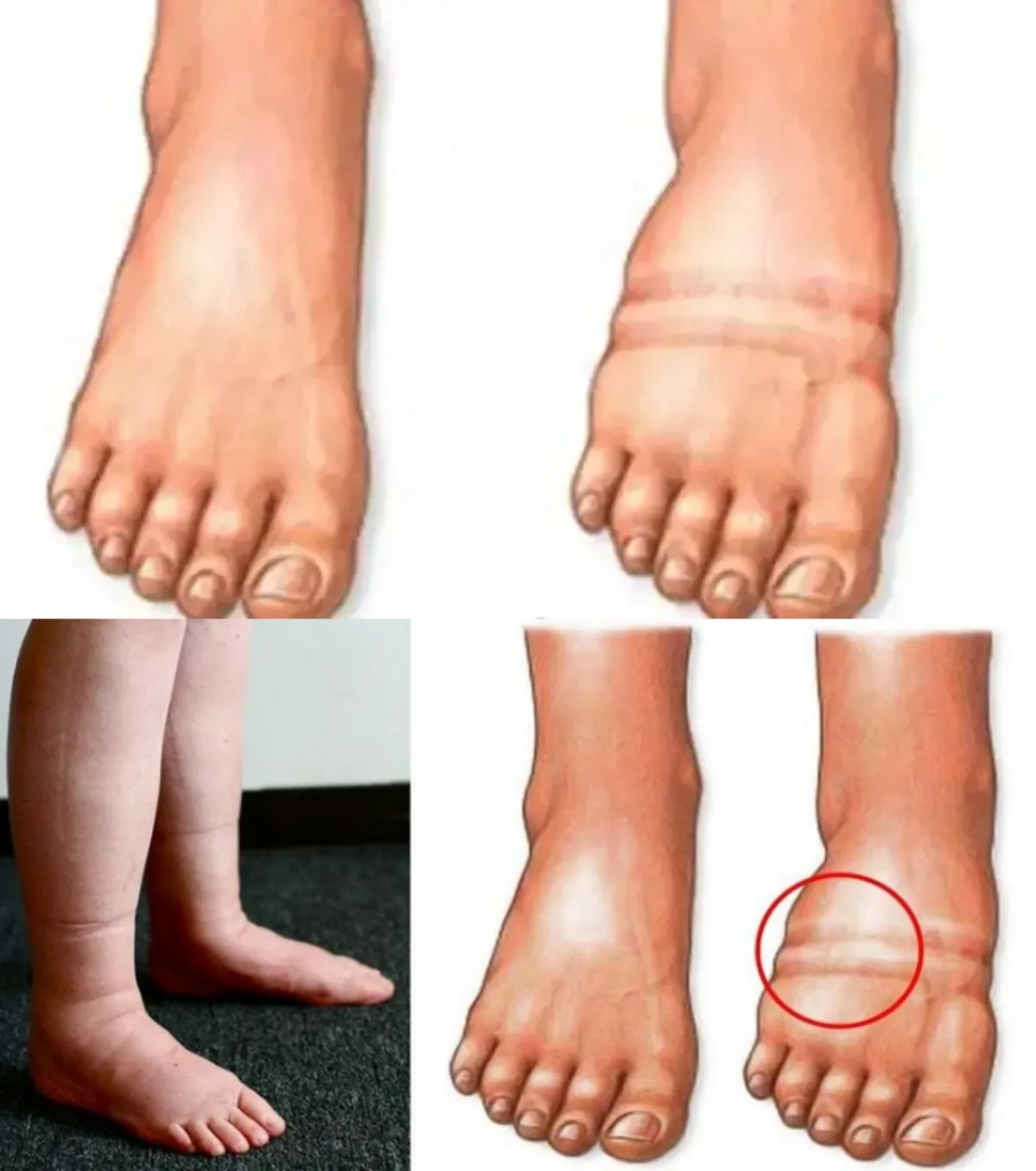
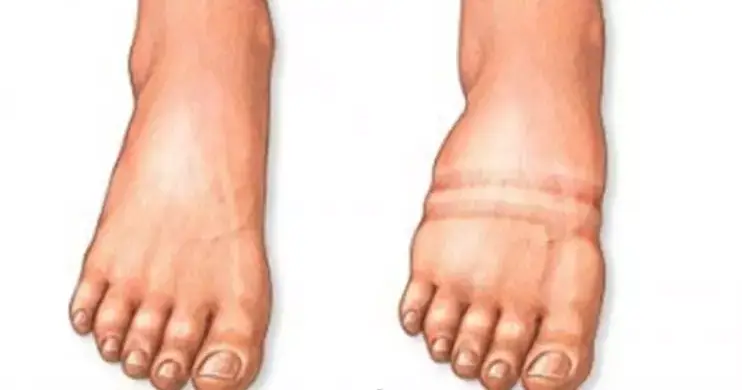
Edema or water retention in the body is a condition that manifests as swelling of the ankles, feet, calves and, in some cases, even the hands.
These swellings are the result of accumulated fluids in the body cavities, circulatory system and tissues.
Causes of swelling and water retention in the body
Edemas most commonly occur in women after menopause and during pregnancy.
Other causes can be burns, long periods of low physical activity or the use of hormonal contraceptives containing estrogen.
They are often contributed to by a poor diet and the consumption of certain types of medications, especially painkillers and vasodilators.
The causes of swelling 1 then lead to specific symptoms that tend to develop gradually. The best way to determine the cause is to undergo urine tests and blood tests for the liver and heart.
In most cases swellings are not serious. However, sometimes they can pose a serious health risk, especially if they occur during diabetes or as an accompanying sign of kidney, heart or liver disease.
Water retention in the body is a fairly common health problem and affects roughly 3% of the adult population. Therefore it is important to know its main causes.
By focusing on the causes we can then prevent swellings and, if they do occur, also achieve removal of excess fluid from the body.
Here are 6 of the most common causes:
1. Dehydration
If your body is not sufficiently hydrated, it will start to retain water, resulting in swelling of the hands, calves, ankles and feet.
To prevent dehydration, make sure you drink an adequate amount of plain still water and also limit intake of coffee and sugary soft drinks.
2. Excessive salt intake
Edemas often occur when the body begins to use accumulated water reserves. This usually happens in cases where you excessively consume foods rich in sodium, i.e. salt.
Therefore monitor your salt intake. The best way to do this is to eat unprocessed foods (without added salt) and to season them yourself with sea or Himalayan salt.
The biggest problem is not excessive salting itself, but the consumption of processed foods. In these cases people do not realize how much salt they are actually eating and therefore do not have its total intake under control.
You can find sodium even in foods where you would not expect it at all – such as various ready-made sauces, processed meats (salamis, sausages) or even canned vegetables.
3. Vitamin B6 (pyridoxine) deficiency
This vitamin is key for a number of important bodily processes that maintain fluid balance in the body. Its deficiency then causes swellings.
The journal Journal of Caring Sciences published a study in which women with premenstrual syndrome 2 were given this vitamin daily. They soon showed a marked improvement in the reduction of swelling.
It is a water-soluble vitamin that you can take as a dietary supplement.
Foods rich in vitamin B6 include chicken, bananas, tuna, potatoes, dried fruit, pistachios, lean beef and sunflower seeds.
4. Excessive consumption of processed foods
As mentioned above, processed foods are rich in salt and a number of other toxic additives that excessively burden the liver and kidneys, thereby increasing the risk of swelling.
They also contain a lot of sugar and artificial sweeteners, which lead to sharp fluctuations in insulin and blood sugar.
In the case of diabetics, these are serious complications that can further worsen water retention in the body and the formation of swellings.
5. Magnesium deficiency
Low levels of magnesium in the body slow vital functions of several important organs and cause swellings.
Research in this area has shown that an intake of 200 mg of magnesium daily reduces the occurrence of edema in women with premenstrual syndrome.
To supplement magnesium, take dietary supplements and also consume foods such as spinach, whole grains, nuts, dark chocolate (cocoa) and avocado.
6. Potassium deficiency
Potassium is an extremely important but often overlooked mineral that is indispensable for the proper functioning of cells, tissues and whole organs. It also plays a significant role in maintaining fluid levels in the body.
Its low levels lead to water retention, weight gain and muscle cramps.
Potassium also controls the level of sodium in the blood, acting as a kind of counterbalance. Increased potassium intake pushes sodium out of the cells, thereby reversing the process of swelling formation.
You can find potassium in foods mainly in yellow and red melon, potatoes and bananas.
Conclusion
To reduce swelling and to drain the body you can also use some herbs with diuretic effects. These are mainly herbs such as garlic, dandelion, nettle, parsley, fennel or horsetail.
Consume them either fresh or prepare a tea from them, depending on your preference and the type of herb.