
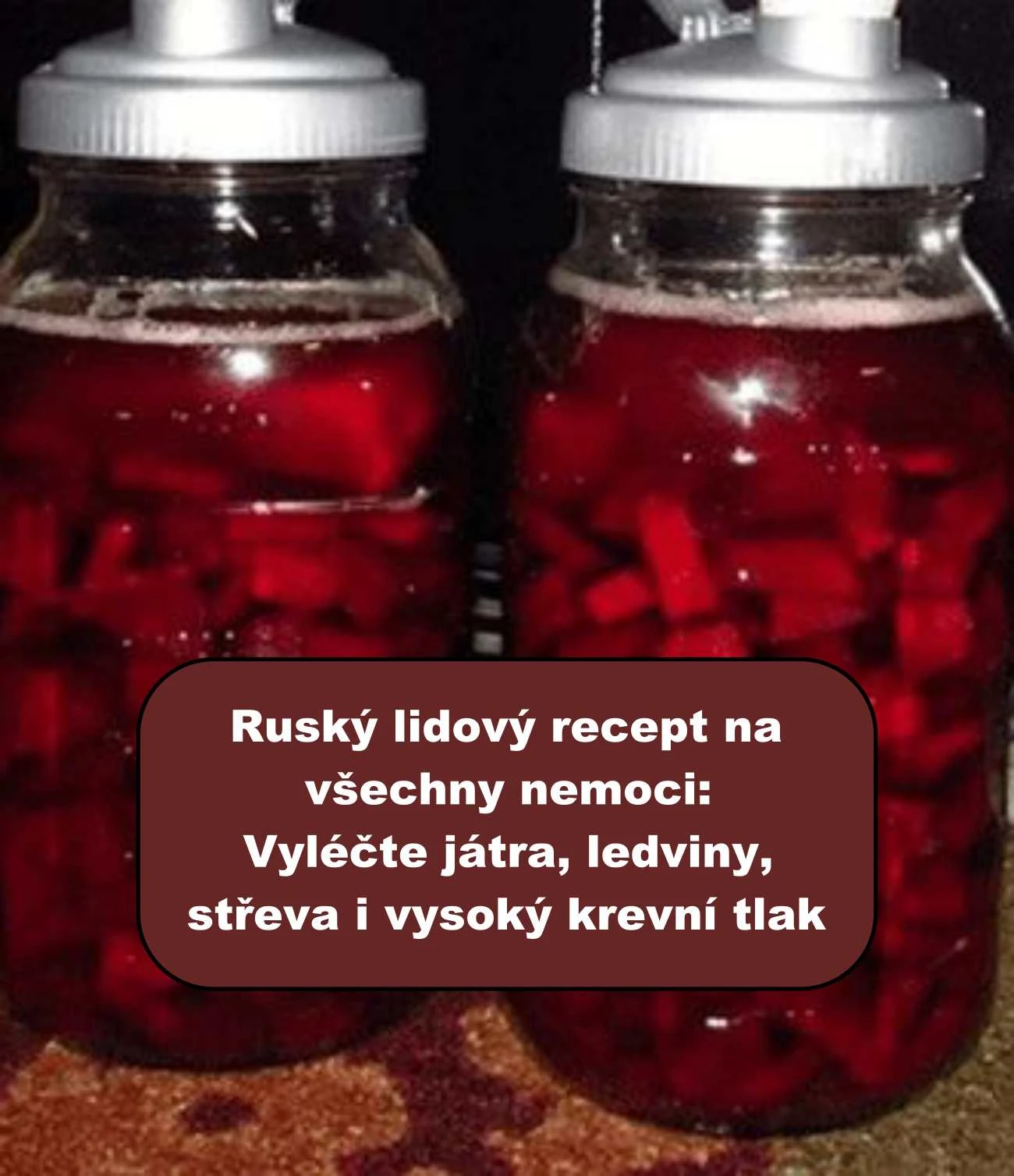


Article content
Fermented foods hold a special place in traditional folk medicine. In Russia, Ukraine and Eastern Europe various kinds of kvass — fermented drinks — have been prepared for centuries; they served not only as a regular part of the diet but also as a supportive remedy when the body was weakened.
One of the best known is red beet kvass, which was traditionally used for digestive problems, the liver, intestines, blood pressure and general exhaustion. Modern nutrition now confirms that fermentation can significantly increase nutrient bioavailability and positively influence the gut microflora, which plays a key role in overall health.
Why red beet
Red beet is among the most nutritious types of vegetables. It contains betaine, fiber, polyphenols, minerals and natural nitrates that can support vascular and circulatory health.
Fermentation further enhances its effects:
- nutrient absorption improves,
- beneficial acids and enzymes are produced,
- the balance of the gut microflora is supported.
Healthy intestines have a crucial impact on liver function, immunity, blood pressure and inflammatory processes in the body.
Traditionally attributed effects of red beet kvass
In folk medicine, red beet kvass was used as a supportive remedy, not as a substitute for medical treatment. Traditionally, it has been credited with the following effects:
- supporting liver function and its regeneration,
- improving digestion and intestinal peristalsis,
- help with constipation and a feeling of heaviness,
- natural detoxification of the body,
- support for vessels and blood circulation,
- help with mildly elevated blood pressure.
Kvass does not replace medical care, but it can suitably complement a healthy lifestyle.
Red beet kvass and blood pressure
Red beet contains substances that can support the dilation of blood vessels and better blood flow. That is why it is often associated with a positive effect on blood pressure. The fermented form may gently support this effect, especially in people with mildly elevated pressure.
However, caution is necessary in people with low blood pressure, because it could be lowered further.
Recipe for traditional red beet kvass
Ingredients
- a glass container with a capacity of 3 liters,
- a lid with holes or cheesecloth,
- 700 g red beet,
- 2 tablespoons of all-purpose flour or 2 pieces of stale rye bread,
- 200 g sugar (white or brown, not honey),
- 100 g raisins,
- boiled and cooled water.
Preparation method
- Thoroughly wash, peel and cut the red beet into smaller pieces.
- Place it in the glass container, add the raisins, flour or bread and the sugar.
- Pour in the cooled boiled water and mix thoroughly.
- Cover the container with cheesecloth or a lid with holes and leave in a warm place for 6–7 days.
- Stir the contents 1–2× daily and remove any foam if necessary.
- After a week, strain the liquid and store it in the refrigerator.
The taste of the kvass is slightly sour and earthy, which is typical for fermented drinks.
Recommended usage
In traditional practice, kvass is used as follows:
- 3–4 tablespoons,
- 3× daily before meals.
After drinking the entire amount, a break of at least 2–3 months is recommended. The course can be repeated depending on the individual reaction of the body.
Possible bodily reactions
At the start of use, transient effects may appear:
- mild loose stools,
- more frequent urination,
- a feeling of bodily cleansing.
If the symptoms are severe or persistent, it is advisable to stop use.
When caution is necessary
Beet kvass is not recommended:
- for serious kidney diseases,
- for gout,
- for acute digestive problems,
- for very low blood pressure.
In these cases it is advisable to consult a doctor about use.
Final summary
Beet kvass is a traditional fermented drink that may support digestion, gut health, the liver and blood circulation. It is not a miracle cure, but a complement to a healthy lifestyle that can bring positive effects when used sensibly.
The foundation remains a varied diet, sufficient physical activity and respect for your own body. Traditional recipes can be a good helper if used with prudence.


