
Article content
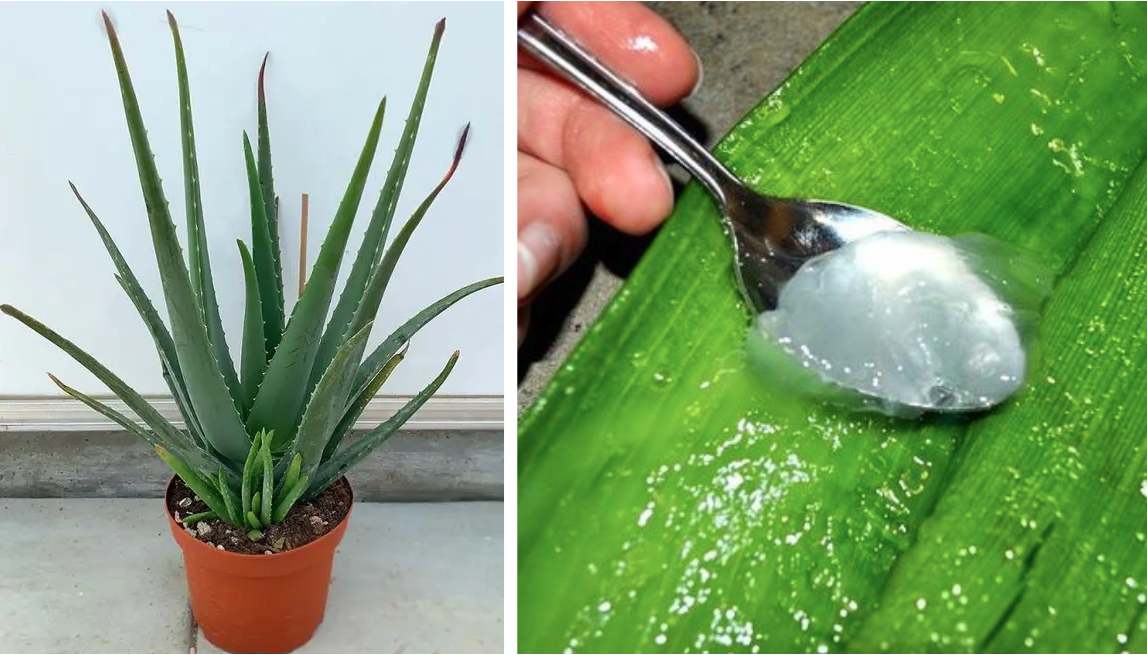
Aloe vera is a unique plant whose healing properties were appreciated by ancient civilizations. This “green pharmacy” has become popular not only for its aesthetic qualities but mainly for its ability to help with various health issues – from treating burns and relieving muscle pain to improving digestion. And the good news is that you can easily grow aloe vera at home!
Why have aloe vera at home?
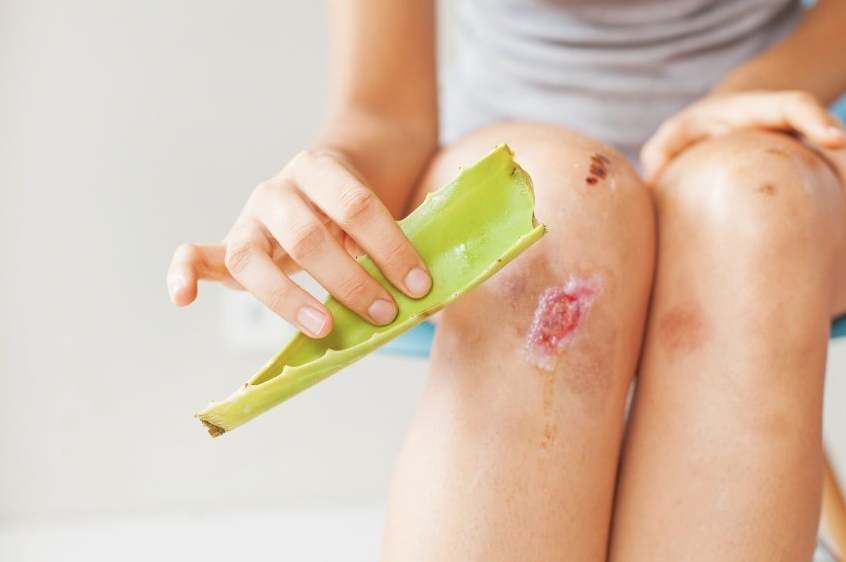
Aloe vera, which contains up to 95% water, is packed with vitamins, minerals, and amino acids. This combination contributes to skin regeneration, supports the immune system, and helps with detoxification. Many people praise aloe for its effects on the skin – it works great, for example, in treating eczema, skin irritation, burns, and acne. It can also soothe the skin after sun exposure or insect bites. It may also help reduce inflammation and joint pain.
How to grow aloe vera at home?
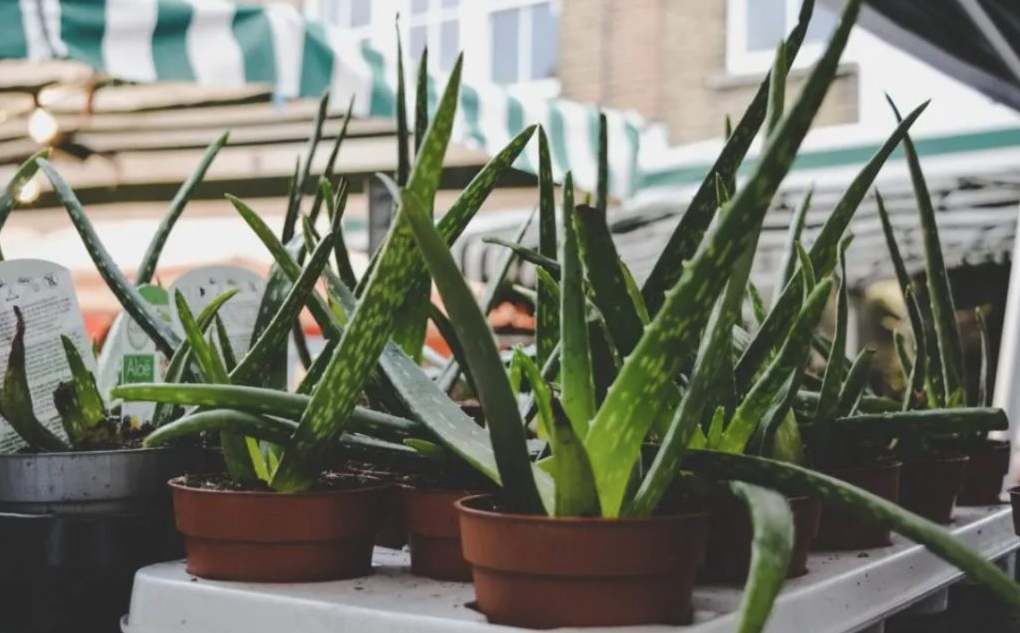
If you’ve decided to have aloe vera at home, we’ll advise you on how to care for it properly so it thrives and you can make the most of its healing substances.
Choose the right pot
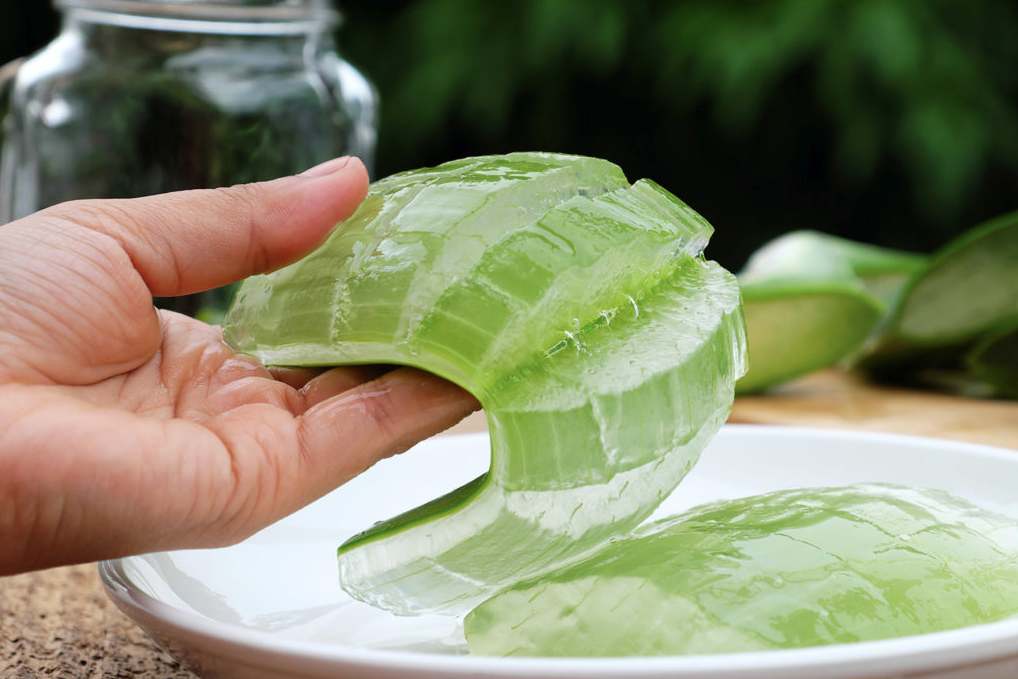
Aloe vera has short roots, but the plant needs sufficient space as it ages. That’s why it’s recommended to choose a wider pot. Make sure the container has drainage holes to prevent waterlogged soil, which could harm the plant.
Give it enough light
Aloe vera needs a lot of sunlight, ideally about 8–10 hours a day. Place it by a window where it gets direct light. If the plant looks tired or starts to have weak leaves, it may be lacking sun.
Use the right substrate
Aloe vera prefers dry soil that drains well. A cactus substrate or a mix of sand and peat is suitable. Overwatering does not suit it, so choose soil that does not retain water.
Water sparingly
Aloe vera is a succulent, which means it doesn’t need much water. Water it only when the soil is dry. During winter, reduce watering to once every 2–3 weeks, because the plant rests during this period. Too much water can cause the leaves to turn yellow or become soft.
Fertilizing and care
Aloe does not need frequent fertilizing; once a year is enough. Remove weeds around the plant so the aloe has enough space to grow. If you notice the leaves turning brown or yellow, the plant may be either in too much direct light or overwatered.
How to use aloe vera?
- For burns and acne – aloe gel helps soothe irritated skin and speeds up healing.
- For skin health – it helps improve the condition of the skin, get rid of acne and inflammation.
- Natural detoxification – you can add aloe gel to a smoothie or juice (only a small amount and after consulting a doctor), which helps the body eliminate toxins.
Thanks to its easy care and wide range of uses, aloe vera is truly a great helper for every household. Try it yourself and enjoy its positive effects on your body and skin.


