

Article content
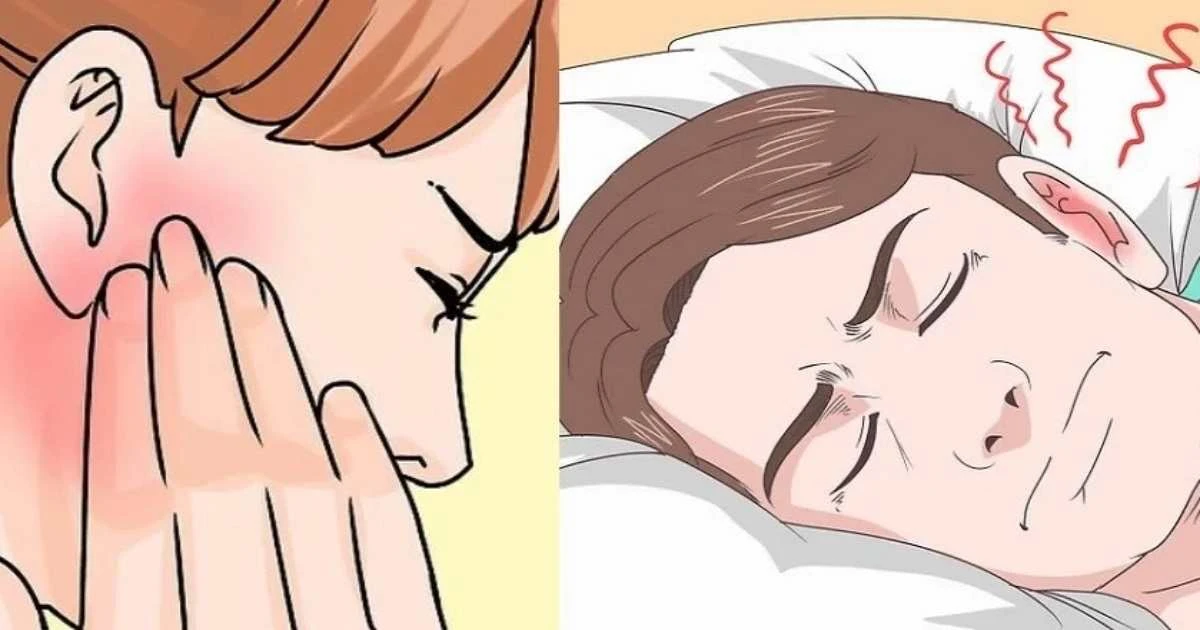
Unpleasant whistling, buzzing or ringing in the ears currently affects a huge number of people. This condition is medically referred to as tinnitus and can take many forms – from an occasional faint rustle to intense sounds that significantly interfere with daily life. While some people perceive it only as a minor nuisance, for others it becomes a long-term source of stress, fatigue and psychological exhaustion.
Psychological strain in particular is among the factors that can significantly worsen tinnitus – and we often don’t even realize it.
What tinnitus is and why it occurs
Tinnitus is a subjective perception of sound that has no external source. A person hears whistling, buzzing, humming or rustling, even though no such sound exists in the surroundings. These sounds can be continuous or intermittent, faint or very intense, and can appear in one or both ears.
In most cases tinnitus is related to damage to the sensory cells of the auditory nerve in the inner ear, which transmit sound impulses to the brain. If these cells are damaged, the brain begins to produce the sound itself.
Why tinnitus affects both young and older people
In older people the most common cause is natural wear of the auditory nerve. However, tinnitus is increasingly appearing in younger people, mainly in connection with long-term exposure to loud noise, using headphones at high volume and chronic stress.
Research shows that approximately one in five people will experience tinnitus at least occasionally. For a small percentage of people it is, however, so severe that it significantly reduces quality of life.
Most common medical causes of tinnitus
- head or brain injury
- otosclerosis
- high blood pressure
- ear inflammations and infections
- benign tumor of the auditory nerve
- earwax
- Eustachian tube dysfunction
- certain medications (e.g., aspirin, quinine, antibiotics)
- anemia
- thyroid disorders
- cardiovascular diseases
- jaw joint problems
How tinnitus is diagnosed
Examination is usually carried out by an ENT doctor. Diagnosis may include hearing tests, balance tests, blood tests and in some cases also magnetic resonance imaging (MRI).
Is there an effective treatment?
In most cases, unfortunately, there is no single universal solution that would completely eliminate tinnitus. Treatment usually focuses on alleviating symptoms and improving quality of life. The psyche plays a very important role – fear, stress and constantly focusing on the sound can significantly worsen the problem.
What worsens tinnitus and what to avoid
- loud sounds and noise
- excessive consumption of coffee, tea, cigarettes and cola drinks
- lack of physical activity
- high blood pressure
- lack of sleep
- chronic stress and anxiety
- excessive salt intake
So-called sound masking can also help, for example playing the radio or television, which will suppress perception of the humming.
Summary
Tinnitus is not just a problem of the ears, but often a signal of overload of the body and nervous system. Although there is no miraculous cure, lifestyle changes, reducing stress, lowering salt intake and better care for mental health can significantly alleviate its manifestations.