Article content
Bacterial meningitis is the most serious form of meningitis. It can lead to death or permanent health damage. It is an emergency that always requires medical attention.
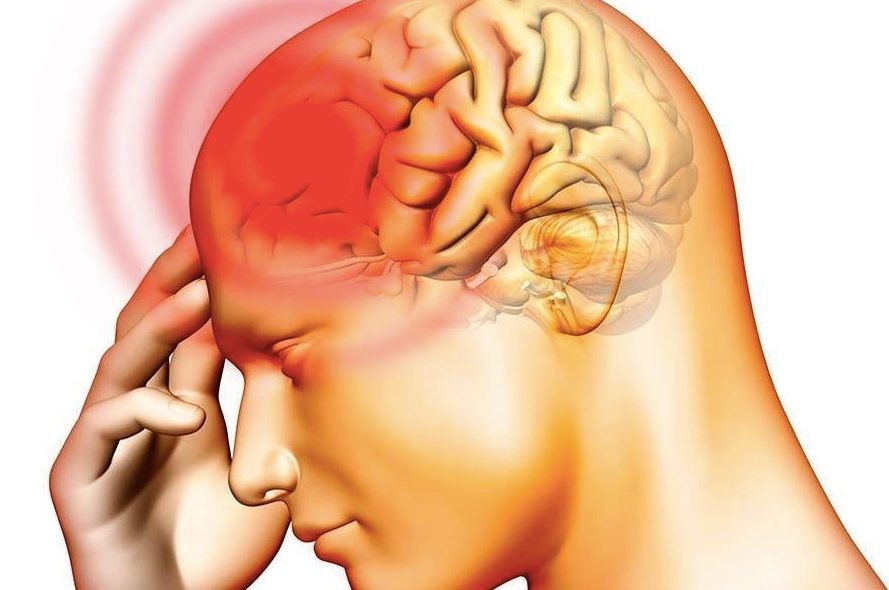
Meningitis affects the membranes that surround the brain and spinal cord, which together with cerebrospinal fluid protect the central nervous system.
In 2006 bacterial meningitis reached a mortality rate of up to 34%
Of those patients who survived it, up to half had permanent consequences. This disease can be caused by several types of bacteria, most commonly Streptococcus pneumoniae.
Other kinds of meningitis include viral, parasitic, fungal and also non-infectious forms. As noted above, bacterial infections tend to have the most severe course.
Everything you should know about meningitis
Each year there are around 4,100 cases of bacterial meningitis in the USA, of which about 500 are fatal. Converted to Slovakia this is around 700 total cases per year, of which 80 are fatal.
Newborns, toddlers and young children are at greatest risk
The disease spreads easily in places where many people gather, such as public spaces or schools.
Any suspicion of bacterial meningitis requires immediate medical attention, because the disease progresses very rapidly. Every hour or even minutes can matter to prevent tragic outcomes.

Meningitis can be caused by the following bacteria:
- Haemophilus influenzae (H. influenzae) type B (Hib)
- Neisseria meningitides (N. meningitides)
- Streptococcus pneumoniae (S. pneumonia)
- Listeria monocytogenes (L. monocytogenes)
- Streptococcus, group B
Different strains of bacteria usually affect different age groups of people. They spread by droplet infection, sneezing, saliva or contaminated food.
Group B streptococci can also be transmitted from mother to fetus
Some people are carriers of the bacteria listed, but do not become ill themselves. If a person lives with a carrier or stays nearby, the risk of infection increases significantly.
Symptoms of meningitis
Early recognition of symptoms is extremely important in meningitis, because it is often literally a race against time. The problem is also that these symptoms resemble other illnesses.
Symptoms can appear suddenly, but also gradually over several days. The incubation period is usually 3 to 7 days after infection.
Its typical early symptoms include:
- nausea and vomiting
- fever
- headaches and a stiff neck
- cold hands and feet
- muscle aches
- sensitivity to light
- confusion
- mottled skin
- in some cases rashes that do not disappear under pressure
Typical later symptoms include:
- refusal to eat
- irritability
- excessive crying and high-pitched crying in children
- rapid breathing
- stiffness with jerking movements
- loss of skin color, paleness
- swollen fontanelle (the connective part of the cranial bones at the top of a child’s head)
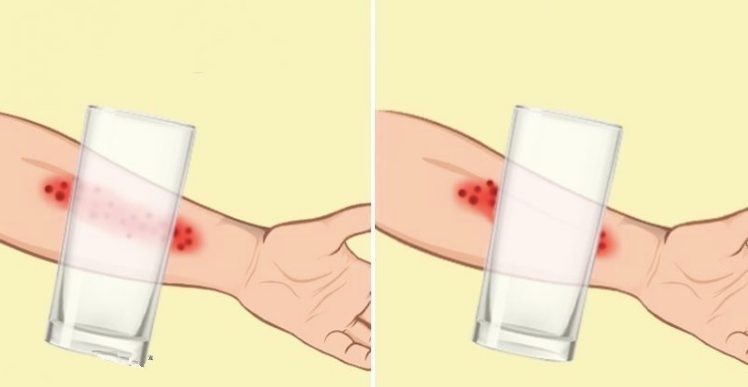
Home test for meningitis with a glass. Rashes on the skin in meningitis occur when blood leaks into the tissues under the skin. It may start as a few small dots on any part of the body, then spread rapidly and look like fresh scratches.
To perform the glass test proceed as follows:
1. Press the side of the glass against the skin with the rash (see the introductory image).
2. If the rash disappears or changes color under pressure, then it is probably not meningitis.
3. However, if the rashes do not change color and do not disappear, you should contact a doctor immediately.
If you are unsure, even then seek medical help to be safe.
Treatment and prevention of meningitis
Treatment of meningitis should always be handled by a doctor. It usually includes antibiotics, corticosteroids, medications to reduce fever and pain (for example paracetamol) and anti-seizure medications.
It is also necessary to ensure adequate hydration of the body.
Sometimes oxygen therapy is also used to facilitate breathing. Doctors also monitor blood sugar, sodium and other important substances.
To prevent the spread of bacteria that cause meningitis it is important to follow personal hygiene rules such as washing hands, covering the mouth when sneezing or isolating the patient.
If meningitis is suspected in children, always seek medical help; do not try to treat it yourself at home.