Article content
The skeleton is an extremely important part of the body that determines a person’s shape and mobility. Here are 10 ways to help “spare” your bones when there is a risk of bone mass loss.
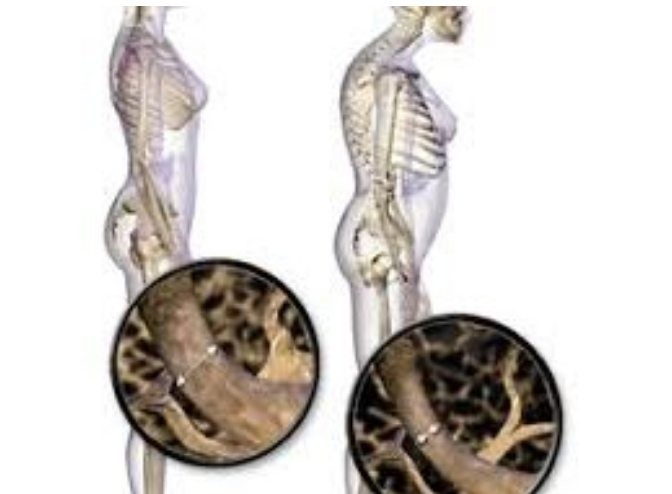
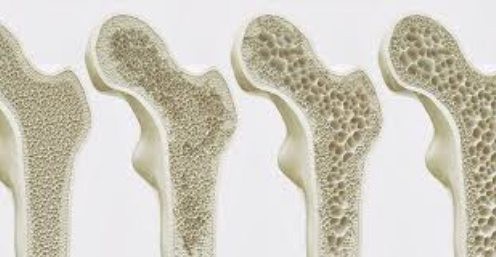
Osteoporosis is one of the most common bone conditions in the world. This health condition causes your bones to be brittle and weak and affects about 75 million people in Europe, the United States and Japan.
According to the International Osteoporosis Foundation, osteoporosis causes more than 8.9 million fractures every year, leading to fractures due to osteoporosis every 3 seconds / 1 case.
Most effective ways to prevent osteoporosis
1. Make sure you have enough calcium
Your bones get weaker year by year, but there are ways to keep them healthy
If you ask a random person how to protect bones, they will likely say calcium. Our bones contain 99.5% of the body’s total calcium, so to prevent osteoporosis, the first thing you must do is make sure you consume enough of this nutrient.
Women: 50 years and younger need 1,000 mg daily, 51 and older need 1,200 mg daily.
Recommendation: According to the National Osteoporosis Foundation (NOF) in the USA, the amount of calcium you need (from food and supplements) depends on your sex and age.
Men 70 years and younger need 1,000 mg daily, 71 and older 1,200 mg per day.
Good sources of calcium: canned sardines and salmon, soy and tofu, almonds, cheese, milk, spinach and orange juice.
2. Don’t forget vitamin D
Vitamin D is one of the most important micronutrients in our body. It is also known as the sunshine vitamin because it is produced in your body when you are exposed to sunlight. Vitamin D is involved in many processes, including the function of the brain, bones and teeth, simply because it helps absorb calcium.
Even if you have enough calcium but little vitamin D, you are still at risk of osteoporosis and osteomalacia (soft bones).
Recommendation: The National Institutes of Health (NIH) recommends 600 IU (15 mcg) daily for men and women aged 1 to 70, including pregnancy and lactation, and 800 IU (20 mcg) for older people.
Sources of vitamin D: Fatty fish such as tuna and salmon, dairy products, cereals, beef liver, cheese and eggs.
3. Keep your weight in the normal range
Strict dieting may help you lose a few more kilos, but it is not a healthy way to deal with them, and more importantly, weight loss — especially in postmenopausal times — causes your bones to be at risk. On the other hand, obesity is also a risk factor for fractures.
Recommendation: The best solution is to keep your weight in an average range. Never follow extreme weight-loss or very low-calorie diets and do not try to gain weight quickly. A balanced diet plan with regular physical activity.
4. Do good bone-strengthening exercises
After 30 our bodies begin to lose bone mass. To keep your bones strong as long as possible, you must keep them in shape during physical activity, because bones need exercise like muscles.
Recommendation: The American National Academy of Osteoarthritis and Musculoskeletal Diseases recommends types of strength exercises such as resistance training, brisk walking, jogging and even dancing. Consult your doctor before starting any program and definitely listen to your body.
5. Quit smoking
Recent studies show that nicotine has a direct negative effect on bone density. In addition, smoking slows the healing process by up to 60% after a fracture or bone break. If you are a smoker, the first (and best) thing you can do is try to quit smoking. Maintaining healthy bones is a big motivation to do so, right?
Recommendation: If you should do it immediately (and some studies recommend this), start by reducing the amount of nicotine you get each day until you feel like you are quitting. Your bones will not only thank you, but your whole body will benefit.
6. Monitor your daily caffeine intake
If, like millions of people around the world, you can’t imagine starting the morning without a cup of coffee, you should know that having too much caffeine, especially, is not good for your bones.
Studies suggest that caffeine (if consumed in large amounts) reduces bone mass and increases fractures because it negatively affects calcium absorption.
Recommendation: Doctors ensure that the average safe level for adults is up to 400 mg of caffeine (4 cups of brewed coffee) per day. So if you have 4 or fewer, you don’t need to worry. If you drink more, your bones may be harmed.
7. Your bones need Omega-3
Combined with moderate physical activity, omega-3 unsaturated fatty acids have a significant effect on bone density. They support the production of bone-forming cells called osteoblasts. In addition, polyunsaturated fatty acids can help reduce joint pain due to osteoporosis and rheumatoid arthritis.
Sources of omega-3: fatty fish such as mackerel, seafood, walnuts, flax seeds, etc.
Recommendation: According to the National Institutes of Health, the average adult (aged 18 and over) needs 1.6 g (men) and 1.1 g (women) of omega-3 per day.
8. Consider adding collagen
Did you know that your organic bone mass is 90% collagen? As you age, besides losing bone mass, collagen levels in the body also drop dramatically, which can eventually lead to brittle bones and fractures.
Recommendation: To get collagen naturally into your diet include fish, bone broth and peppers. However, since it is difficult to get the necessary amount of collagen from these products, you can try supplements and follow the instructions. Consult your doctor before trying.
Sources of collagen: bone broth, gelatin, peppers, citrus fruits, eggs, pumpkin seeds, etc.
9. Consume enough protein
Many studies have shown that protein intake is directly associated with a higher bone density index. In fact, calcium and proteins work together to maintain healthy bones.
Sources of protein: seafood, white poultry, milk, cheese, eggs, beans, etc.
Recommendation: According to Harvard Health the recommended protein intake is 0.8 grams per kilogram of body weight. However, consult your doctor before starting a high-protein diet, because too much calcium can lead to serious health problems.
10. Limit the amount of salt in food
Japanese scientists claim that excessive sodium intake jeopardizes your bone health. Most of us use sodium from common table salt, which is bad because salt causes calcium loss, which can eventually lead to weak brittle bones.
Recommendation: The American Heart Association does not recommend more than 2,300 mg per day and the ideal limit is no more than 1,500 mg per day for most adults.
Did you read the article to the end? Interested? Then you can reward the editor’s work by liking the article on Facebook or sharing it — thank you.