
Article content
Scientists who focus on studying the human body and the factors that affect our health are uncompromising. A healthy person needs only 3 g of salt per day, otherwise salting is considered unnecessary. The same view is held by doctors, who often warn against salting and recommend consuming a diet without this ingredient “more precious than gold”. But what is the truth and how does removing salt from the diet affect a healthy person? A 28-year-old woman decided to undergo this experiment.
Although the challenge lasted only 15 days, this woman noticed interesting changes in her own body. Although salt cannot be avoided completely, since it is contained almost everywhere, its intake can be reduced to an absolute minimum, so we consume it only from foods that have a low content of it.
Our “test subject” is 28 years old, does not eat fast food, is ill about twice a year, eats normally, drinks about one and a half liters of water a day, engages in sport or physical activity once a week, usually gets enough sleep and generally considers herself a healthy individual who is, however, occasionally unable to work due to illness.
What to eat?
At the very beginning it was necessary to reduce the items that were in the fridge. The first to be removed were pickled cucumbers, salamis and meat products, pâtés, cheeses, olives, homemade lard, mayonnaise, ketchup, mustard, preserves and canned ingredients. Although this created a draft in the fridge, from now on there is room in it for fruit, vegetables, milk, dairy products, quark, eggs or cream.
The way meals are prepared is also limited, because you have to get used to boiling pasta in unsalted water, you must eliminate pre-prepared spice mixes or dressings. It seems that all sweets should now get the green light. However, accept that most biscuits have fillings that contain quite a bit of salt. Also undesirable are crackers, products containing peanuts or sweet spreads.
Suitable, therefore, is the consumption of fresh or dried fruit, nuts, dairy products, pasta, potatoes, vegetables, eggs and meat. You can season food with garlic, spices, herbs, lemon juice or ground mustard mixed with water.
Change of tastes
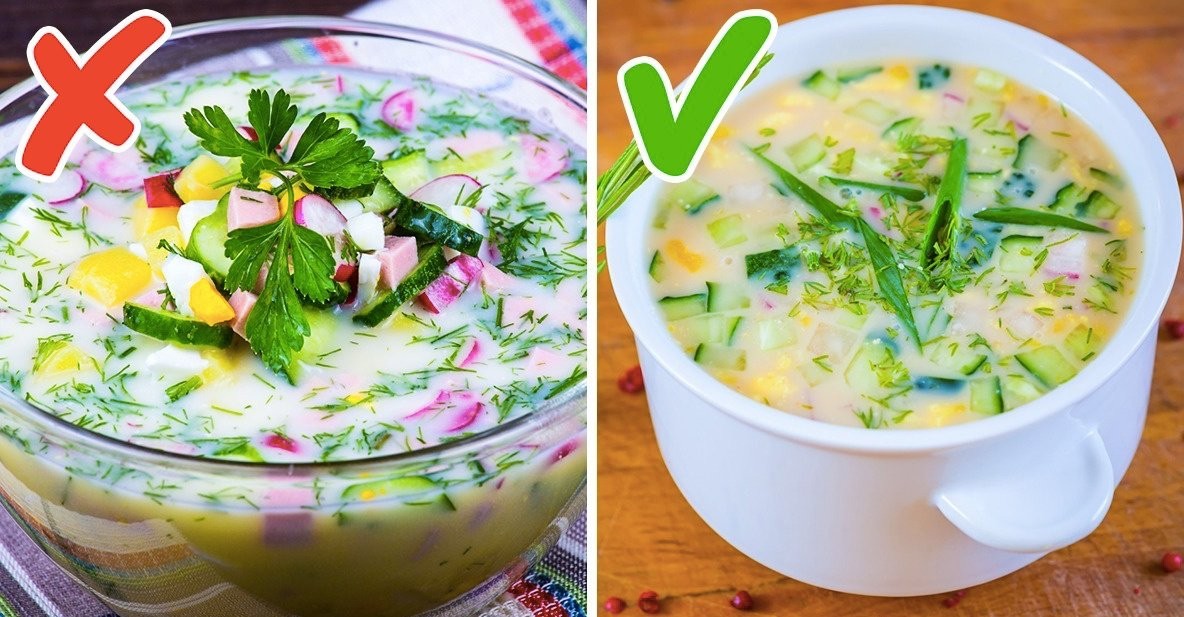
Most days the main component of the experimental diet was chicken with buckwheat or mashed potatoes. The young woman who decided to carry out this “research” did not get used to the taste without salt with this type of meals even by day 15. However, she positively notes the improved taste of fruit and vegetables. Cucumbers without salt suddenly seem more fragrant, juicier and somewhat buttery – just like in childhood. Tomatoes taste better due to their sweet flavor and quark or cream with herbs also received positive feedback.
Blood pressure
During the test, no changes were detected in blood pressure measurements taken every day. Although salting is not recommended for people with high blood pressure, because salt further increases pressure, this theory was not confirmed in this experiment.

Cardiovascular system
A salt-free diet should cause a positive change in our cardiovascular system. A lower salt content in food reduces the risk of heart disease or stroke. Before starting the salt-free diet the main participant of the experiment made a few recordings of her resting heart rate and then the increased rate after 30 squats. After finishing the 15-day diet, the heart rate did not increase after physical activity as much as it did before starting the diet, but the results were not significantly different and represent minimal deviations.

Weight
Consuming food with the minimum possible salt content was indeed beneficial. After the first week a loss of 1.5 kg was recorded and in the second week the woman was another one and a half kilos lighter. In total she lost 3 kg in 15 days, which is a very pleasant fact.
Headache
The 28-year-old woman experienced fairly frequent headaches before starting the test during times when she was stressed or spent too long in the sun. Even during the test there were a few occasions when she experienced a high level of stress and deliberately went for longer walks in the sun. The headache did not completely subside, but it was more muffled, not sharp, and spread across the whole head. Before the salt-free diet it was a pain in specific spots.

Facial swelling
Perhaps the best results besides weight loss were recorded in the appearance of the face and the condition of the skin. The skin looked more rested and the dark circles under the eyes disappeared! The usual bags under the eyes were gone and even after waking up the face was not as puffy. The woman admits that she looks rested and well-slept even in cases when she did not manage the ideal 8 hours of sleep and could only allow herself 5-hour sleep.

Would you like to try a similar experiment yourself?
According to the main participant, she was pleased not only with the positive results, especially regarding weight and the change in her face. She is also happy about her strong will, determination and the discovery that she is capable of giving up her favorite foods for two weeks. A pleasant cleanse that bore fruit.


