Article content
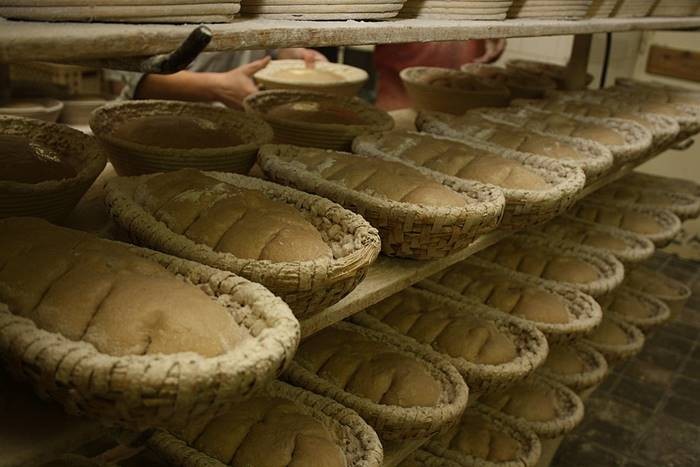
In today’s times we buy, instead of honest bread, all sorts of things. From packaged substitutes that stay “fresh” for whole weeks, to par-baked semi-finished products which retail chains just throw in the oven and then sell as warm and fresh. But where has real bread gone?
Even when it comes to bread we should not neglect selection. Similar to meat, vegetables or dairy products, we should pay our attention to good bread as well. Such breads can still be found on the shelves, though in smaller numbers.
21st-century bread
Hand on heart, how much time do you spend choosing bread? 20 seconds or even less? Besides flour, yeast and water, into poor-quality bread — which can harm our health even more than slightly fresh meat — manufacturers add many more harmful additives. For some of them we can even call the basic food a small-but-major poison.
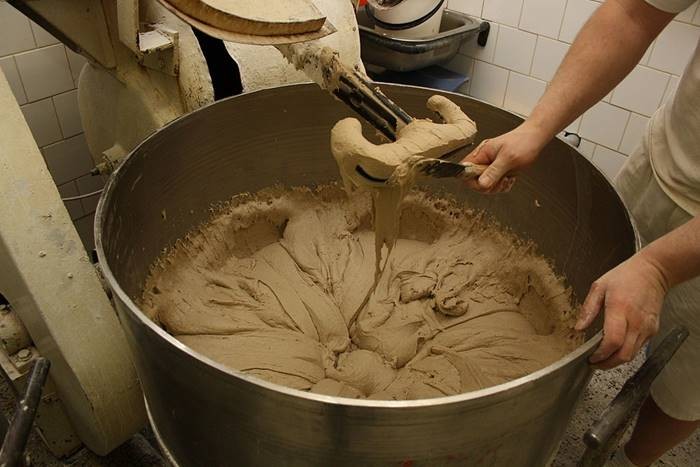
Yeast in various forms, which has all sorts of attributes except freshness. Such yeast, full of bacteria and other substances, penetrates cells through consumption and accelerates the appearance and growth of malignant tumors. In addition, it “helps” the formation of gallstones.
Chemical additives that are added to par-baked or packaged bread serve to keep the pastry fresh and soft much longer than is natural. You can recognize such bread easily – after slicing it is full of bubbles and is lighter. Real bread should be heavier and denser.
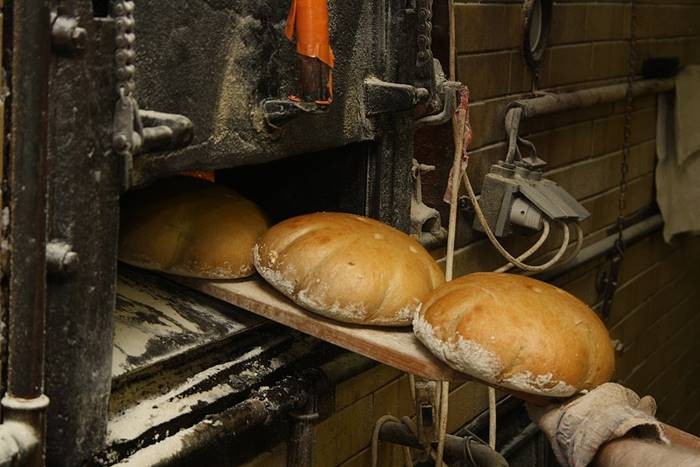
Bleaching agents affect the human body, cause carcinogens and allergies. Colorings, stabilizers and emulsifiers protect against mold and increase the very volume of the bread. Lately, the so-called “Improved bread” has also become popular. Its production does not meet any standards and instead of 2-3 hours it is baked for only 1 hour. Inside it is almost empty, it is extraordinarily light.
So what should bread look like?
It is sad that today’s young people actually do not even know what real bread should look like. Perhaps precisely because they never experienced honest homemade bread that their mom or grandmother would bake for them. For some years now we have been enjoying consumption in the form of a multitude of products, from which more than once we don’t even know how to choose. So how should someone who has never held or tasted such bread choose real bread? First, it is important to remember the standard shelf life of fresh bread – it is a maximum of 48 hours, ideally only 24 hours. If you come across long-lasting bread at a bakery or in groceries, keep your hands off it.
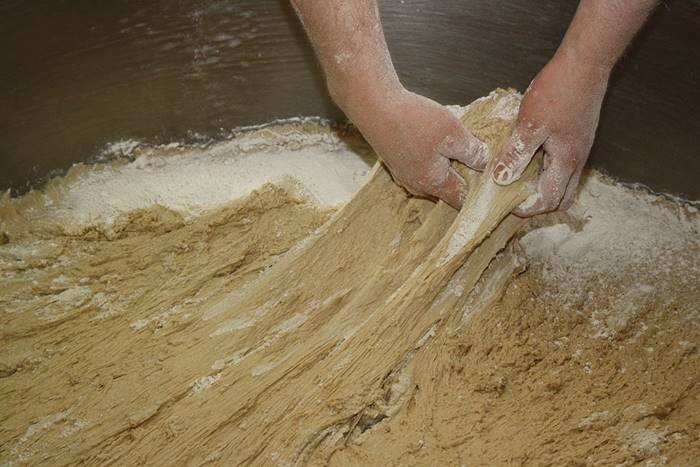
To find out whether the bread is fresh, press it lightly from the top. If it returns to its original shape, the composition it is made from is of high quality and probably all norms were observed during its preparation.
If possible, ask for only half of the same kind of bread. There you can find out whether the crumb is finely porous and the baking result dense. There should be no lumps or overly large bubbles in it. If the bread crumbles or sticks too much, it may be infected with mold or “improved” with potato starch.
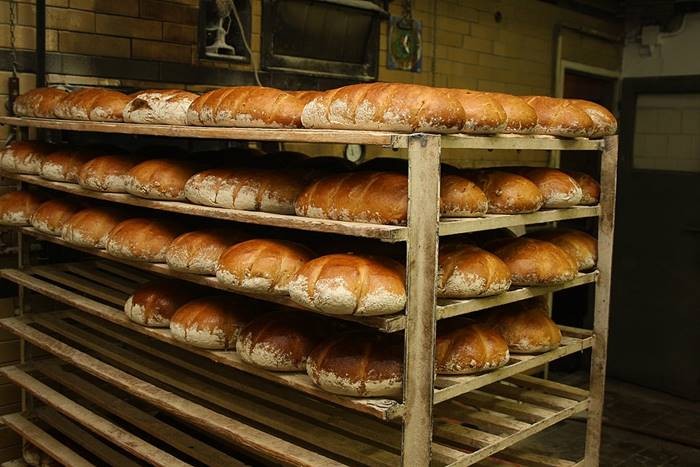
You can also weigh the bread. If it weighs less than 500 grams, it is a bakery product. Baking improvers are used, which ensure that the bread will be puffier and sufficiently large, but by weight it does not match genuine bread.
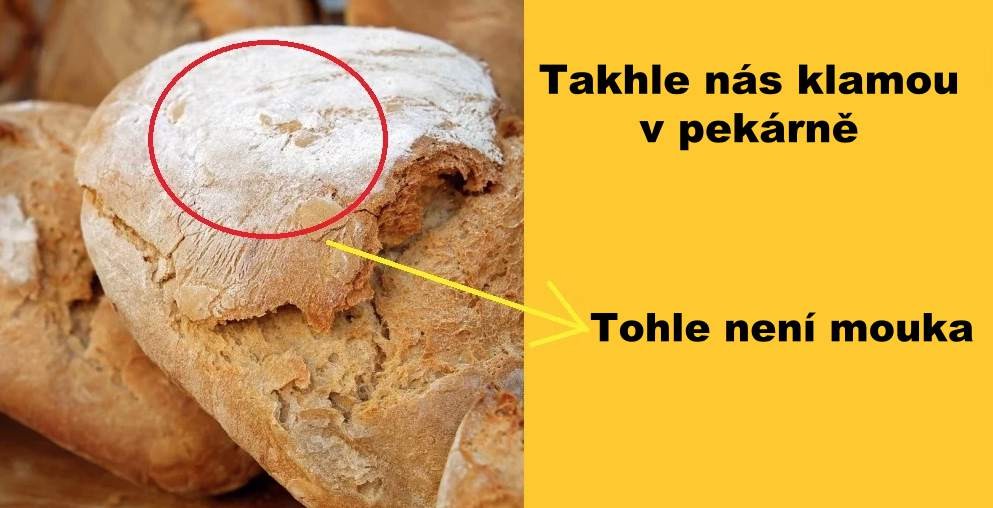
Have you ever noticed white remnants of flour on bread? It is added during baking so that the loaf doesn’t burn. But always be careful and rather take a good look at it. Some types of mold are also white and look very similar. Such bread should not make it into stores, although many of us have unfortunately experienced similar cases more than once.
Well, it’s definitely worth thinking and choosing before we bring fresh or “fresh” baked goods home. How do you buy bread? Let us know in the comments.