
Article content
It is suggested by a new study that if the new coronavirus, now officially called COVID-19, is similar to other viruses in its family, it may be active on the surface of objects for one day or longer.
German scientists in their study summarized all available information about the resistance of human and animal coronaviruses on object surfaces and also about strategies for their inactivation by chemical disinfection methods in public places and in healthcare facilities.
Analysis of 22 studies showed that human coronaviruses, such as SARS, MERS or endemic coronaviruses (HCoV), can remain at room temperature on surfaces such as metal, glass or plastics for up to 9 days.

For comparison, they note that the measles virus can survive on contaminated objects for only two hours.
Surfaces can be effectively disinfected by treatment with solutions of ethanol, hydrogen peroxide or sodium hypochlorite.
The scientists turned to information on other coronaviruses because little is known about the resistance of COVID-19 on exposed inanimate surfaces.
„At present it is not even clear whether a person can become infected with COVID-19 by touching a surface or object on which the virus is present and then touching the mouth, nose or eye,“ the study authors note.
Doctors’ recommendations
The authors believe that 9 days is the upper limit; on average the family of human coronaviruses can survive four to five days on various materials such as aluminum, wood, paper, plastic and glass. „Low temperatures and high humidity further prolong their life,“ are the words of the article’s first author, physician Günter Kampf, quoted in the press release.
To reduce the spread of the coronavirus, the authors suggest thoroughly disinfecting surfaces with solutions effective against SARS and MERS. They believe that disinfectants will also work against COVID-19. And of course frequent hand washing and wiping of objects that an infected person might come into contact with are mandatory measures.
„In hospitals these include, for example, door handles, call buttons, bedside tables, bed frames and other items made of metal or plastic that are in close proximity to patients,” Kampf explains.
Although the analysis did not use data on the COVID-19 virus itself, due to their absence, the authors believe that its resistance to objects does not differ much from other viruses in the family.
Coronavirus in the world
At the end of December Chinese authorities reported an outbreak of pneumonia of unknown origin in the densely populated Wuhan (Hubei province).
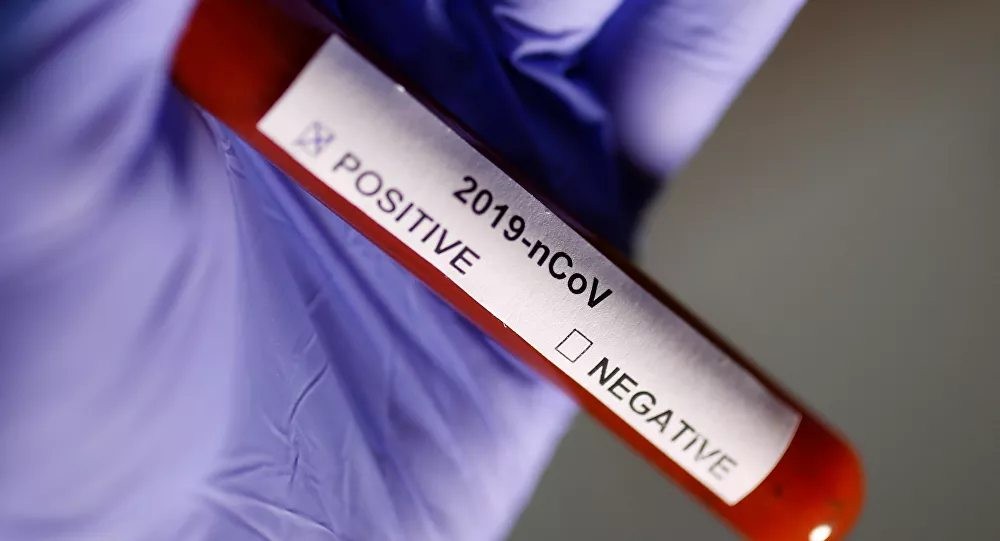
Experts found that the cause of the disease was a new type of coronavirus COVID-19 (formerly referred to as 2019-nCoV), which is transmitted from person to person.
The World Health Organization (WHO) declared a global public health emergency. The number of infected has already surpassed the level of illness during the SARS epidemic that broke out in 2003. WHO declared a global public health emergency only for the sixth time in history.


