Article content
Greater plantain (Plantago major) is a plant that many people consider to be an ordinary weed that appears in gardens or along roads. However, this inconspicuous plant is one of the most powerful natural healers. With its wide range of healing effects, it certainly should not be missing from your home medicine cabinet. In this article we will look at how greater plantain can help with various health problems and how you can prepare it at home.
What is greater plantain?
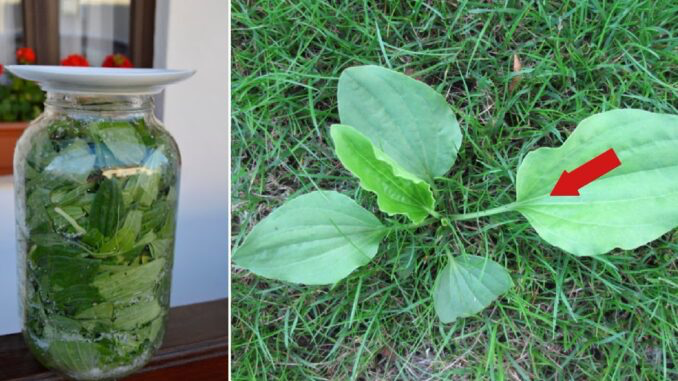
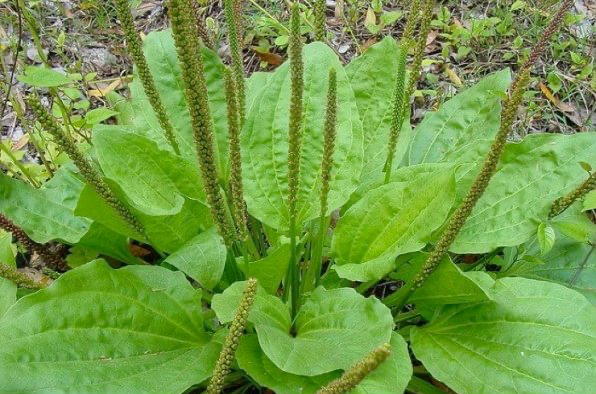
Greater plantain is a plant that grows throughout Europe and Asia, mainly in places that are moist and sunny. Its characteristic broad leaves are covered with fine hairs and the plant easily adapts to various conditions. Although it is considered a weed, its use in traditional medicine is enormous. Plantain is full of nutrients, vitamins and minerals that have a positive effect on human health. The main components include vitamins A, C, K, E and B-group vitamins; it also contains flavonoids, caffeic acid and minerals such as potassium, calcium and magnesium.
Medicinal effects of greater plantain
Greater plantain is known for its wide range of healing effects. It can be used to treat various health problems, from skin issues to digestive problems. Some of the main effects of plantain include:
-
Treatment of skin problems: Plantain is excellent for treating minor skin injuries such as abrasions, cuts or insect stings. Its anti-inflammatory properties help soothe irritated skin and accelerate healing. Simply take a fresh leaf, chew it and apply it to the affected area.
-
Support for digestion and detoxification: Plantain has a positive effect on the digestive system. It helps with problems such as constipation, flatulence or bloating. Its seeds, similar to psyllium, have excellent detoxifying properties and can help with weight loss when consumed before meals.
-
Effects on the respiratory tract: Plantain is known for its ability to help with respiratory illnesses such as cough, bronchitis or colds. Its tea has mildly expectorant effects, which helps loosen phlegm and make breathing easier. Plantain is also effective in relieving sore throat and respiratory tract inflammations.
-
Relief of pain and inflammation: Plantain can be useful in treating arthritis and other inflammatory diseases. It has strong anti-inflammatory properties that help reduce pain and improve mobility. It is also used for bruises, sprains or other sports injuries.
-
Treatment of women’s health issues: Plantain is known for its ability to regulate menstrual cycles and relieve pain during menstruation. It may also be useful in treating certain bladder or liver problems.
-
Help with wound healing: If you have a wound that is healing poorly, plantain can speed up the healing process. Its extracts help eliminate inflammation while disinfecting the wound.
How to use greater plantain?
Plantain can be used in several forms – from tea to tincture and syrup. Here are some proven ways to use this medicinal plant:
-
Plantain tea Preparing the tea is very simple. Just add one heaping teaspoon of dried plantain leaves to 1/4 liter of boiling water. Let steep for about 10 minutes and then strain. This tea helps with coughs, colds and respiratory tract inflammations.
-
Plantain syrup Grind two handfuls of fresh plantain leaves and add 300 grams of cane sugar, 250 grams of honey and a little water. Simmer over low heat until the mixture thickens. You can take this syrup for coughs, sore throat or respiratory tract inflammations.
-
Use for wounds and skin problems For quick relief from itching or pain with skin problems, simply apply a chewed or crushed leaf to the affected area. Plantain helps speed up wound healing, relieve itching and pain.
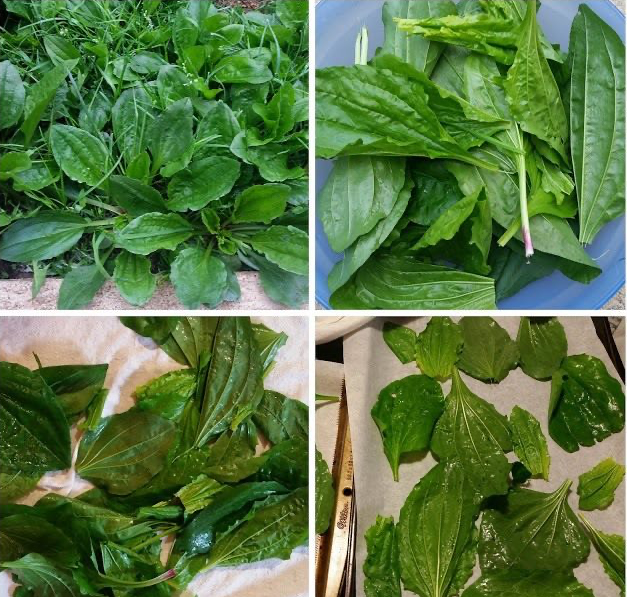
Safety precautions and plant harvesting
If you decide to harvest plantain, make sure it comes from a clean environment. Avoid collecting plants along busy roads or in places where they may be sprayed with pesticides. It is best to grow plantain at home in your own garden where you can control its quality.