
Article content
The quality of sleep directly affects how you feel, how you work and relax. How long should you sleep to make that sleep the most effective?
Several variables at once influence how much we can fully enjoy quality sleep. One of them is, of course, the bed itself, but perfect sleep is also affected by the overall sleeping environment and your overall physical and mental state.
Space for perfect sleep.
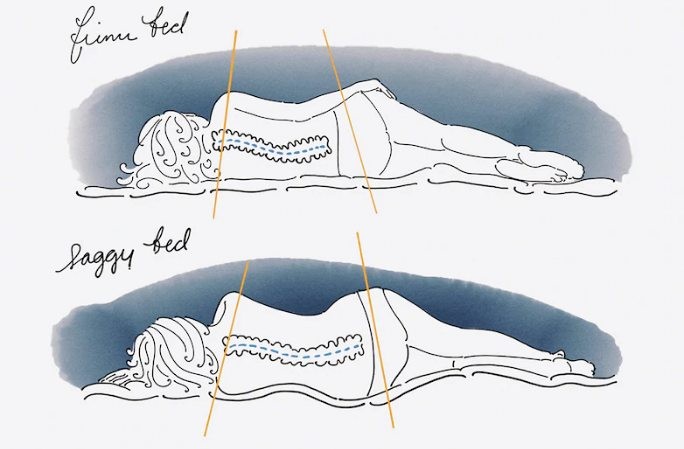
We recommend choosing a bed with an optimally balanced ratio of firmness and comfort level; a bed that allows the spine to rest in a neutral position and is not subjected to unwanted pressure anywhere.
Regular pre-sleep habits.
We can only recommend that you establish a regular routine before going to bed to calm both body and mind. Start about half an hour before you intend to go to bed and allow enough time for all the activities you usually do before sleeping. Brush your teeth, set the alarm, tidy the dishes… The goal is to gradually calm down, slow down, and clear your head of all the thoughts that occupied you during the day so that you go to sleep relaxed.
Guarantees of undisturbed sleep.
The bedroom should be pleasantly dim, because darkness speeds up the production of the sleep hormone called melatonin. It is also wise to invest in a sufficiently large bed in which you can comfortably stretch out and turn without hitting the edges.
Sleep soundly.
During certain phases of sleep the brain develops high-frequency activity in some kind of cycles (similar to the rapid rotations of a spinning wheel), which blocks the perception of sound and other sensory information. With age, the speed of these cycles slows down, which is why we become increasingly sensitive to noise during sleep. If you find that you wake up more often than before, try earplugs or, in extreme cases, various types of acoustic insulation.
A small snack before sleep.
The body needs proper nutrition for its development and regeneration, and one of the factors that very negatively affects the brain’s ability to enter a sleep phase is hunger. If you feel an emptiness in your stomach before bed, a glass of warm milk, a bit of light food, or a quick sandwich with honey can help you fall asleep comfortably.
Be active after waking up.
Your body’s circadian rhythm is not only helped by going to bed at the same time – your activity after waking can positively affect it as well. Chronobiological research (focused precisely on the circadian rhythm) has shown that it is very beneficial to the human body to become active as soon as possible after waking. Light exercise that gets the blood flowing, or a few minutes of brisk walking, is enough. If you follow this routine regularly, you’ll find yourself looking forward to waking up as much as to going to sleep.

When you can’t fall asleep, try distracting yourself with something.
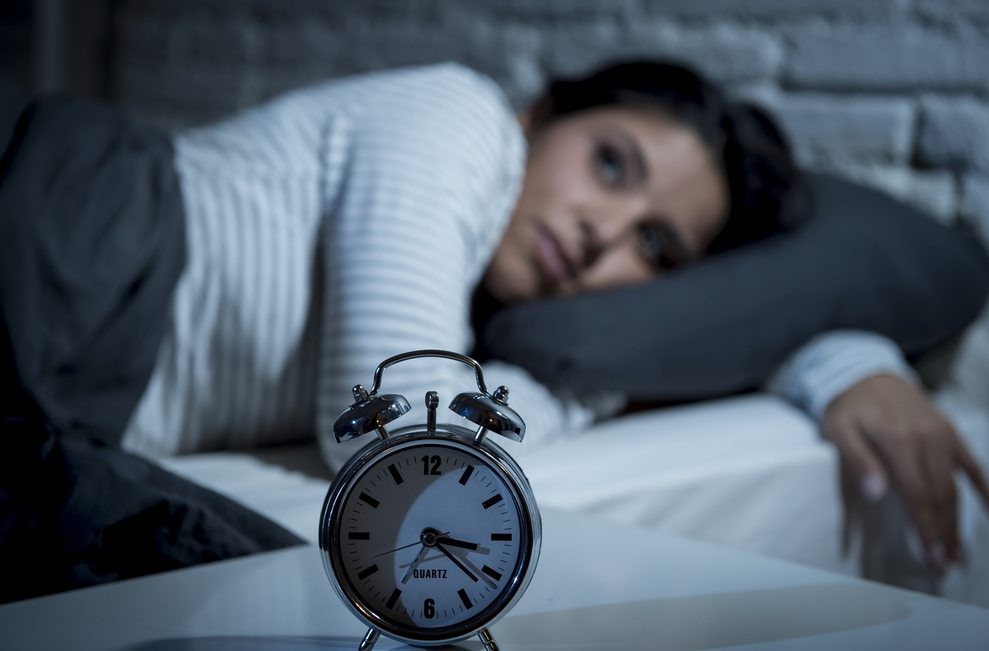
We’ve all experienced situations where we just can’t fall asleep no matter what — too many thoughts are swirling in our heads, we’re nervous about an upcoming important meeting, or we can’t stop dwelling on what happened during the day. It happens, and sleep is hard to force. In such moments it’s best to get up and walk around the apartment, read for a while, engage in some monotonous activity, or jot down your thoughts or ideas until it’s daytime. It will help you clear your head and calm down.


