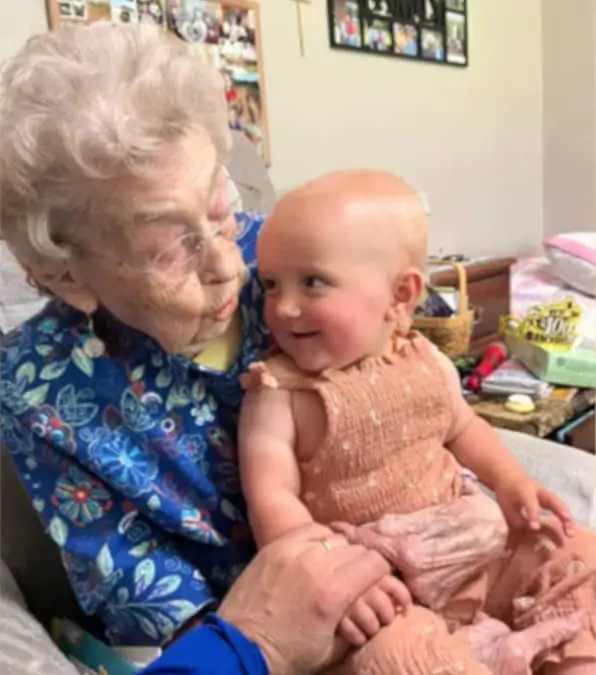
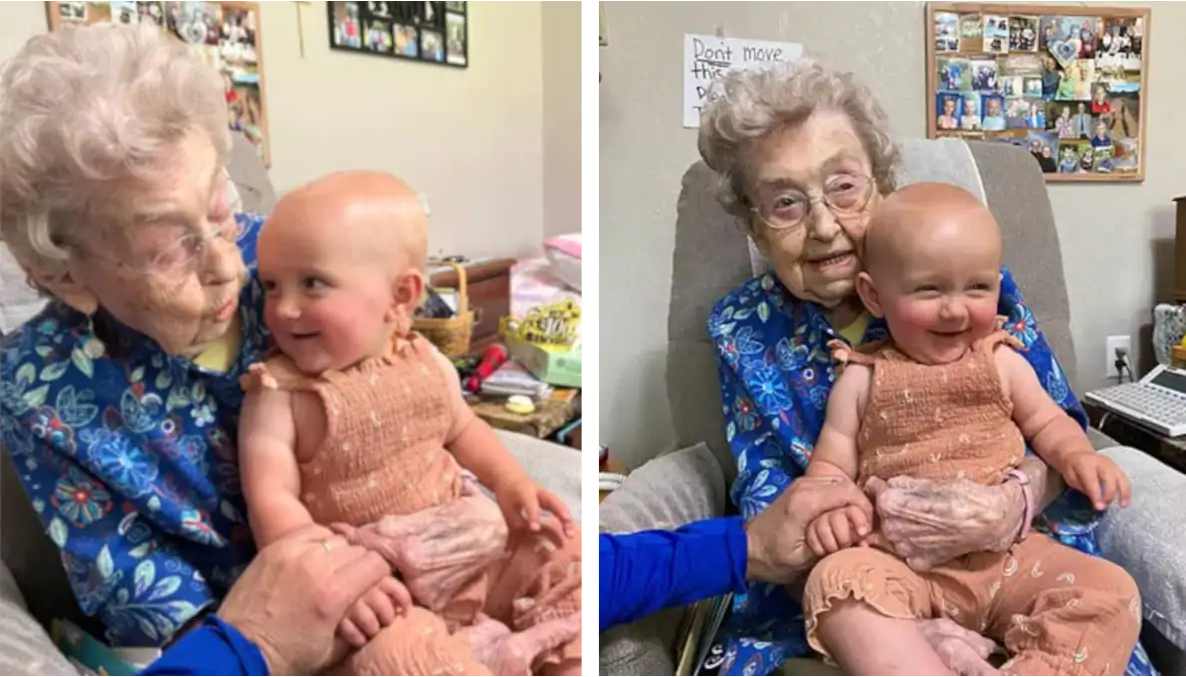


Centennial celebrations: Woman celebrates her 100th birthday and her great-granddaughter her first!

0
(0)

Jan , 22. 12. 2025

Article content

The bond between generations is often beautiful, but when two birthday celebrations fall on the same day, it becomes a remarkable moment. Such a rare occasion was experienced by Vivian Dahl, who celebrated her 100th birthday on the day her great-granddaughter, little Eloise, celebrated her first birthday.

A Remarkable Connection

Vivian Dahl witnessed the birth of her first great-granddaughter, which is remarkable in itself. But the two celebrants had something more in common – their birthday. Vivian never expected that she might share such a significant date with one of her descendants.

Birthdays in Grand Style

Little Eloise was born exactly 99 years after her great-grandmother’s birth. The celebration, held in Lake Crystal in Minnesota, was unforgettable. The family made sure the special event was perfectly arranged, with both celebrants at the center of attention.

An Amazing Moment

Photos and videos from the celebration immediately appeared online, where they sparked huge interest. Thousands of people asked about Vivian Dahl’s secret to longevity. She, though very modest, shared her advice: no smoking, alcohol, or sweets, and consistently following a proper diet.

Wishes for the Future

Family and friends sent thousands of birthday wishes to both women. Everyone hopes that little Eloise will have a happy and healthy life and that she too will one day celebrate as significant a milestone as her beloved great-grandmother Vivian.

This unique day will be recorded in the family’s memory and online as a beautiful example of the connection between generations and the strength of family ties.

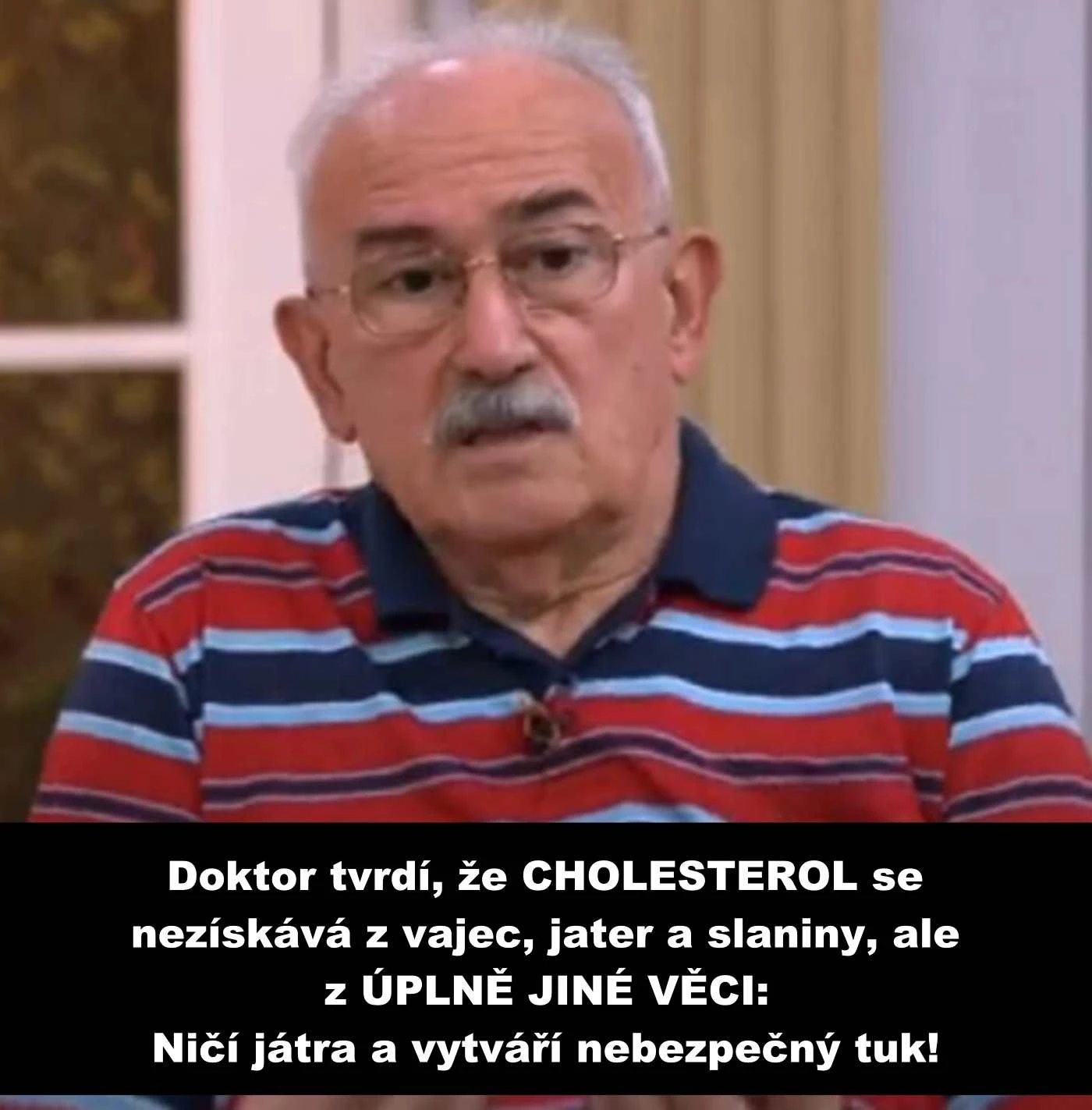
Cholesterol and sugar: what really raises LDL and how to protect the liver

Eggs, liver and bacon are often labeled as the main culprits of high cholesterol. The reality is more complex. For most people, dietary cholesterol has only a limited effect on blood cholesterol levels. Much more important is the overall diet, the proportion of saturated and trans fatty acids, intake of added sugars, body weight, genetics and lifestyle. Below you will find a balanced overview of what the facts say – without myths and shortcuts.

What cholesterol is and why the body needs it

Cholesterol is a fatty substance essential for building cell membranes, producing hormones and vitamin D. In the blood it is carried in the form of lipoproteins. LDL ("bad") carries cholesterol to tissues, HDL ("good") takes it back to the liver. The goal is to keep LDL low and HDL in an appropriate range.

Dietary cholesterol vs. saturated fats and trans fats

In most healthy people, dietary cholesterol (e.g., from eggs) has only a small effect on LDL. A much stronger factor is saturated fats (fatty processed meats, high-fat cheeses, large amounts of butter) and trans fats (industrially hydrogenated fats), which raise LDL and can lower HDL. Eggs are also a source of nutrients (e.g., choline), so for most people they can be part of a balanced diet.

How added sugars and refined carbohydrates worsen the blood lipid profile

High intake of added sugars and refined carbohydrates (sweetened drinks, sweets, white bread) raises triglycerides and promotes the development of nonalcoholic fatty liver disease (NAFLD). The liver then more often releases VLDL/LDL particles and the overall lipid profile worsens. The liver is particularly harmed by excess fructose from sweetened drinks and syrups.

The role of choline and "healthy" fats

Choline (eggs, lean meat, legumes) helps form and export fat particles from the liver, thereby supporting its normal function. Monounsaturated and polyunsaturated fats (olive oil, nuts, seeds, fish) can lower LDL and some fractions of inflammatory lipids, if you also limit saturated fats and added sugars.

When eggs can be a problem

For a portion of the population with a genetic burden (e.g., familial hypercholesterolemia) or for people with very high LDL, even dietary cholesterol can play a larger role. In such cases, individual recommendations from a physician and a nutrition therapist are decisive.

Practical meal plan for healthy lipids and liver

  • Limit added sugars: sweetened drinks, confectionery, excess white-flour baked goods.
  • Prefer unsaturated fats: olive oil, rapeseed oil, nuts, seeds, avocado, fatty sea fish twice a week.
  • Reduce saturated fats and avoid trans fats: processed meats, fast food, toppings made from partially hydrogenated fats.
  • Eat enough protein: fish, poultry, eggs, legumes, fermented dairy products – they support satiety and muscle maintenance.
  • Fiber: vegetables, fruit, whole grains, legumes – soluble fiber helps lower LDL.
  • Alcohol in moderation: excess increases triglycerides and burdens the liver.
  • Hydration and exercise: 150–300 minutes of moderate activity per week (brisk walking, cycling), strength training twice weekly.
  • Body weight: even a 5–10% weight reduction can noticeably improve triglycerides and LDL.

Key takeaway: it's not "forbidden eggs", but the overall dietary pattern

For most people, eggs or liver alone do not "cause" high cholesterol. The key is the combination of fewer saturated fats, less added sugar and more unsaturated fats, fiber and exercise. If you have high LDL, a family history or liver disease, discuss a specific eating plan with your doctor – sometimes pharmacotherapy (e.g., statins) is also necessary.

18. 12. 2025 Jan
0
(0)