Article content
No one of us knows when they will face a critical situation in which every second will be important. We’re talking about saving a human life, and it’s a sad truth that many deaths could be prevented if we knew how to react correctly.
First aid is a necessary basic skill that everyone should know, just like reading and writing.
This is a simple aid that can be extremely helpful to you in a critical situation. Tell everyone about it!
Cerebrovascular accident (stroke)
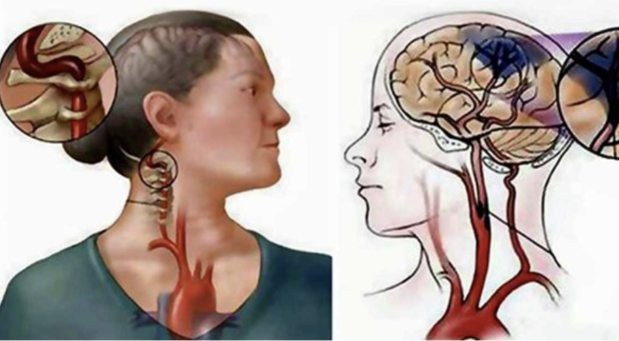
A stroke is damage to brain tissue and disruption of its functions caused by impairment of blood flow to the brain. Causes vary: insufficient blood supply to a part of the brain, bleeding into the brain, thrombosis or embolism associated with problems with the blood, the heart, or blood vessels.
Everyone should know the first signs of a stroke so they can help in time, because in these cases every second counts!
Stroke – recognize its symptoms!
Depending on the severity of the stroke, symptoms can be mild or severe. Before you are able to help the affected person, you must know what to focus your attention on. If you want to check for warning signs of a stroke, focus on the following!
- blurred, weak vision or loss of sight, especially in one eye
- tingling, weakness or numbness on one side of the body
- nausea or dizziness
- loss of bladder or bowel control
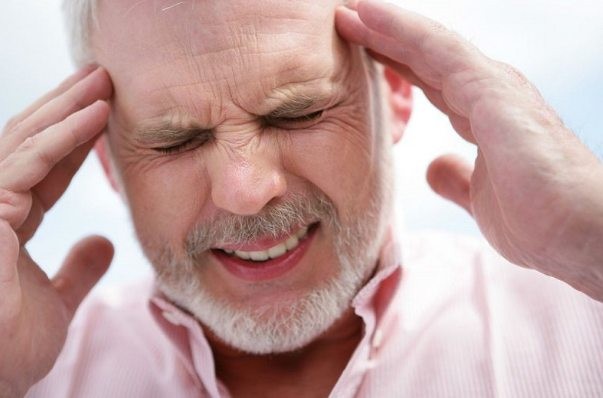
- headache
- loss of balance or consciousness — first aid for an epileptic seizure
Visual signs of a stroke
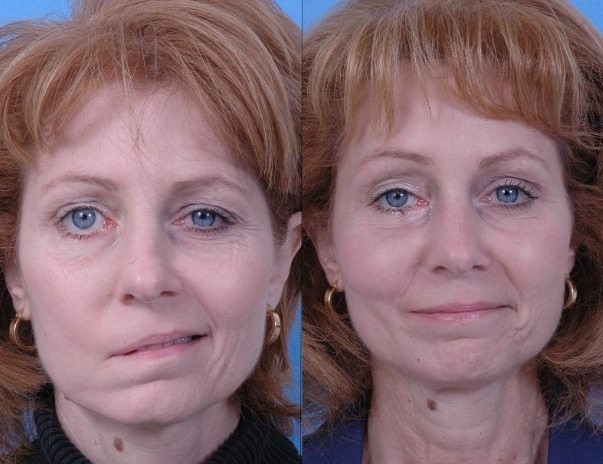
- Face: Is the face numb or drooping on one side.
- Hands: Is one arm numb or weaker than the other? Does one arm remain lower than the other when both are raised.
- Speech: Is the person’s speech slurred or unintelligible?
- Time: If you answered yes to any of the above, it’s time to call emergency services immediately!
First steps when suspecting a stroke
- If you are caring for someone who is having a stroke, make sure they are in a safe and comfortable position and have access to oxygen.
- They should lie on one side with the head slightly elevated and supported, in case they vomit.
- During a stroke, time is the most important factor and truly only seconds count. Therefore, do not hesitate and call emergency services immediately!
- Check whether the person is breathing. If they have difficulty breathing, loosen any tight clothing, e.g., a tie or scarf. If they are not breathing, give them first aid. It also helps if you open a window in the room to ensure a supply of fresh air.
- If possible, measure the person’s blood pressure and write down the result.
- In no case should you give the person any medication! Lowering blood pressure is also not recommended. Hypertension in the first hours of a stroke is normal; it is associated with the brain’s adaptation.
- Speak to the affected person in a calm and reassuring voice.
- Cover them with a blanket to keep them warm.
- Under no circumstances give them anything to eat or drink.
- If the person shows weakness in a limb, avoid moving it.
- Carefully monitor the person for any change in condition. Be prepared to tell the emergency operator about their symptoms and when they began.
- Don’t forget to state whether the person fell or hit their head.