
Article content
It is known that proteins play an important role in the functioning of our body. If you have a protein deficiency, your body will suffer.
One study says that up to approximately 1 billion people worldwide suffer from their deficiency. How can you tell if it concerns you?
The problem is that when we think about our diet we usually consider deficiencies of vitamins and minerals. However, protein content is just as important.
In our article today we will tell you more about the symptoms related to their deficiency so you know when a problem occurs for you.
1. Craving for food
If you always feel hungry or have an increased appetite, it may be due to a diet that contains a low proportion of protein and a large proportion of carbohydrates and sugar.
The problem today is the almost unlimited access to high-calorie foods in which the amount of protein is low compared to the calories.
2. Loss of muscle mass and joint pain
Muscles are the largest protein reservoir in the body. Muscle weakness, pain and weight loss are signs of their deficiency.
Research says this commonly occurs especially in older people. Proteins are essential for the growth and maintenance of muscles.
3. Problems with skin and nails
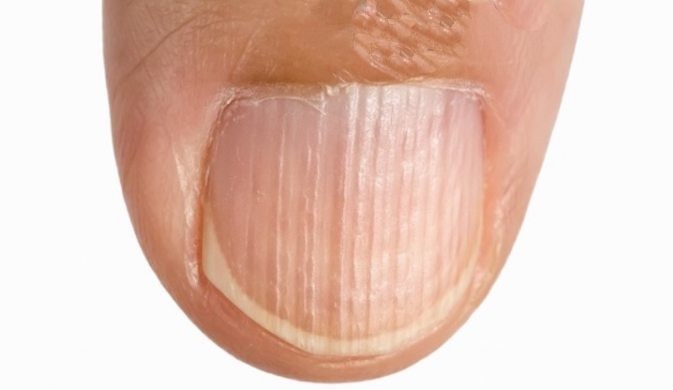
A lack of proteins can lead to your nails being weak, brittle and in some cases you will observe white streaks or brown spots on the nails.
Protein deficiency can also affect the skin because proteins allow cell regeneration, create new cells and replace dead ones.
If this happens, you will find that your skin is dry, scaly and cracked.
4. Hair loss
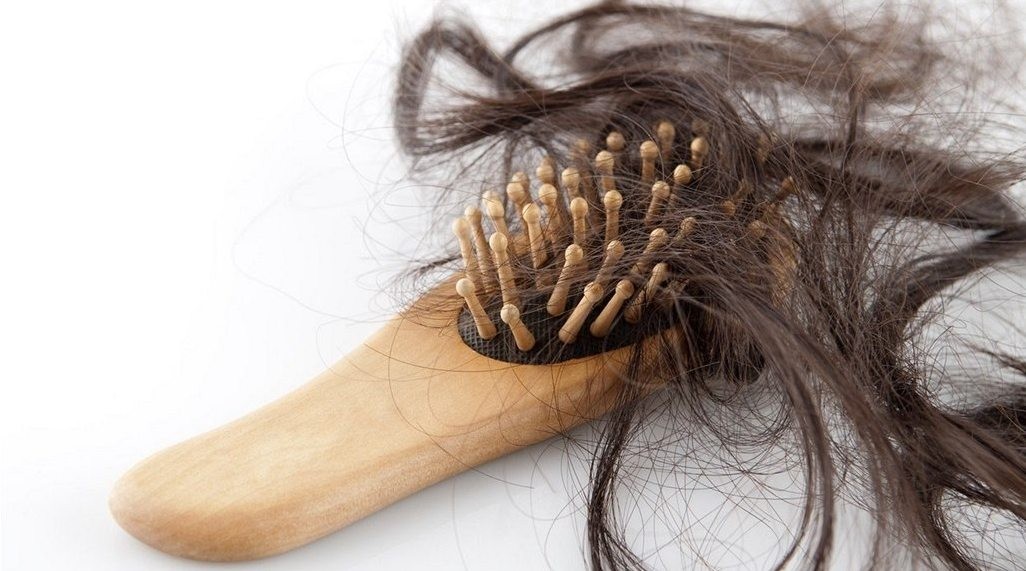
Our hair is made up of 90% of a protein known as keratin. If hair does not receive enough nutrients, it becomes thin and faded.
This happens because the body stops using proteins for nonessential things like hair growth in an effort to preserve other, more necessary functions.
5. Fatty liver
Fatty liver is one of the most common signs of protein deficiency.
If left untreated, it can cause more serious liver disease, trigger inflammation, scarring or even potentially liver failure.
It is a common condition in those who consume a lot of alcohol and obese people. Today, however, it is even occurring in children due to poor diet.
6. Increased risk of bone fractures
Like muscles, low protein intake can also affect bones. Protein deficiency leads to weakened bones, thereby increasing the risk of fractures.
This is mainly because “protein is necessary for calcium absorption and helps in bone metabolism,” as the well-known American Dr. Axe says.
7. Sleep deprivation
If you have problems sleeping or suffer from lack of sleep, it is likely related to protein deficiency.
Proteins from food act as building blocks for tryptophan. It is an amino acid whose low level causes sleep problems.
This means that before dinner it is good to consume foods rich in protein to achieve better sleep.
8. Brain fog
It is very important to ensure the body receives the right amount of protein to support healthy body functions and especially the brain.
If you have a lack of motivation, poor memory or problems learning something new, it is a sign that you may be suffering from protein deficiency.
One study found that neurotransmitters dopamine, epinephrine and serotonin are what your brain needs to be able to concentrate.
Recommended daily intake of protein
The recommended minimum daily protein intake for adults is 56 g for men and 46 g for women. For children it ranges from 19 g to 34 g per day, depending on their age.
However, adequate protein intake may differ in cases where you are pregnant or ill. Then a slightly higher amount is required.


