


Article content
Gluten intolerance has recently become an increasingly large problem in our society. As many people may think, gluten intolerance is not a food allergy and does not mean celiac disease. Rather it is a gut condition that can have a negative effect on overall lifestyle.
According to Food Renegade, undigested gluten (especially wheat and other grains) is considered by the body in the intestines to be a foreign object that irritates the intestines and the microvilli on the wall of the small intestine. Take a look at 8 common signs of gluten intolerance; of course these can mean something else as well, but if you have been experiencing them for a long time without an obvious cause, definitely consider visiting a doctor and getting informed.
Abdominal pain

As they say, listen to your gut. Digestive problems are perhaps the most prominent sign of gluten intolerance. After you eat foods containing gluten, you will most likely experience gas, bloating, diarrhea or constipation. Damage to the mucous membrane of the small intestine as a result of consuming foods containing gluten can lead to poor absorption of minerals, vitamins and other nutrients from the food you eat.
Dizziness

Many people with gluten intolerance experience a clouding before the eyes
disorientation and a strange feeling that they have lost their balance.
Mood swings

If your gut is not happy with the foods you eat, then your brain will also be unhappy. People with gluten intolerance often feel unexplained irritability, anxiety, or agitation. The New England Journal of Medicine reported 55 diseases caused by the consumption of gluten, which included chronic migraine.
Chronic migraine

Headaches are common for people with gluten intolerance. Although this is not linked to one specific type of headache, it usually occurs within 30 to 60 minutes after eating. Frequent migraines can also lead to blurred vision and pain around the eye sockets.
Itchy skin

When the gut has trouble processing gluten, inflammation occurs that can outwardly “reveal” itself through the skin. This is why gluten sensitivity is often associated with skin conditions such as eczema and psoriasis. The immune system responds to the digestive system by creating antibodies, which can cause dry and itchy skin.
Fibromyalgia
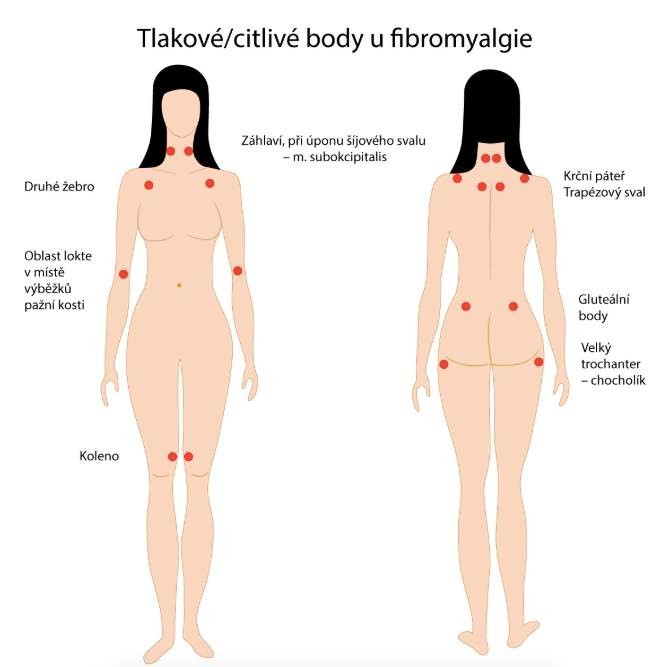
Fibromyalgia is a chronic condition that mostly affects women and causes widespread pain in muscles, tendons and ligaments. According to many experts, removing or at least reducing gluten consumption can result in alleviation of pain in fibromyalgia
Chronic fatigue
Do you feel tired even when you allow yourself 8-9 hours of sleep? This can also signal that you are gluten intolerant. Your body is constantly inflamed and expends its energy trying to deal with the unwanted proteins of gluten, so your energy runs out much faster than usual.
Lactose intolerance

Both intolerances have similar symptoms and it is likely that if you suffer from lactose intolerance, gluten intolerance won’t be far behind.


