
Article content
Your tongue can reveal a lot about your health. There is a whole methodology that deals with diagnosis based on how your tongue looks – its size, texture and color.
When examining the tongue it’s better to do it in the morning in natural light from outside, before you brush your teeth.
It is also recommended that you do not rinse your mouth with water or scrape your tongue with your teeth beforehand, because that could affect the result.
The coating of the tongue can also vary depending on what you’ve drunk, eaten, what medications you take, or whether you smoke.
For this reason, do not examine the tongue earlier than an hour after any of those activities.
So let’s get to it …
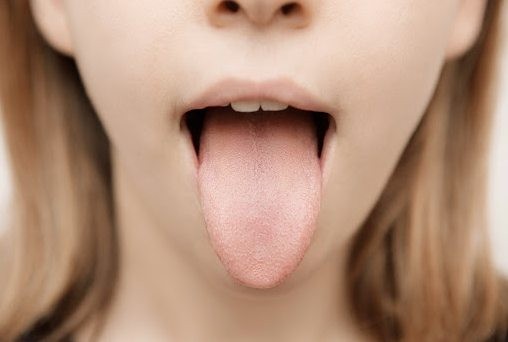
1. Pink tongue – healthy coloration of the tongue.
2. Red tongue – a sign of infectious disease and inflammation in the body.
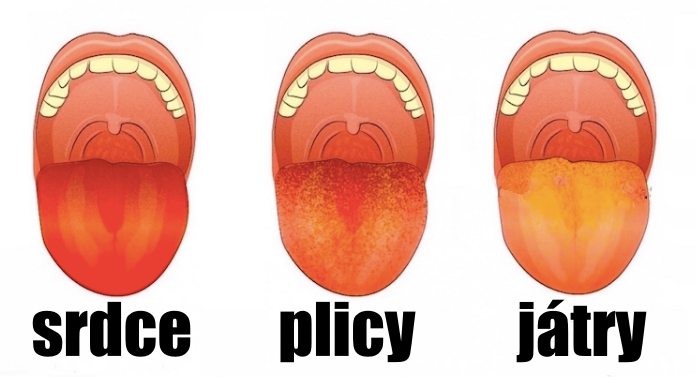
3. Deep red tongue – heart or blood disease.
4. Yellowish tongue – problems with the stomach or the liver.
5. Purple tongue – disease of the lungs or heart.
6. Blue tongue – kidney disease.
7. Pale tongue – deficiency of some vitamin or other nutrient.
8. White tongue – dehydration, fungal infection or the flu.
9. Gray tongue – disease of the intestines and digestive tract.
10. Thick white coating on the tongue – intoxication or infectious disease.
11. Brown coating on the tongue – lung disease.
12. Yellow coating on the tongue – disease of the digestive system.
13. Gray coating on the tongue – gastritis or a stomach ulcer.
Conclusion
Remember that a visual examination of the tongue may not always give you a 100% correct result.
Sometimes the tongue can be injured by aggressive food and bacteria can get into the wound causing a temporary infection. In such a case it is not an internal disease.
If you are concerned about an unusual color or coating on your tongue, do not start treating yourself right away. Instead consult a doctor who will be able to make the final diagnosis.


