Article content
There are several studies that claim Japanese children are healthier than children from other countries. Maybe it’s due to the healthy lifestyle they lead, which would be beneficial for other children around the world.
In many Asian countries children are raised in a healthier environment and learn habits that children from European countries may not even be familiar with. Here are some of them:
Maintaining eye hygiene
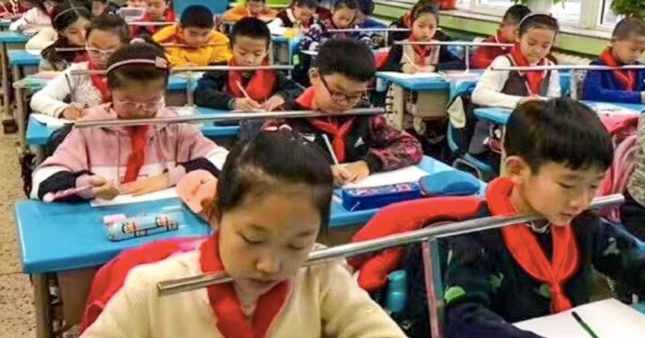
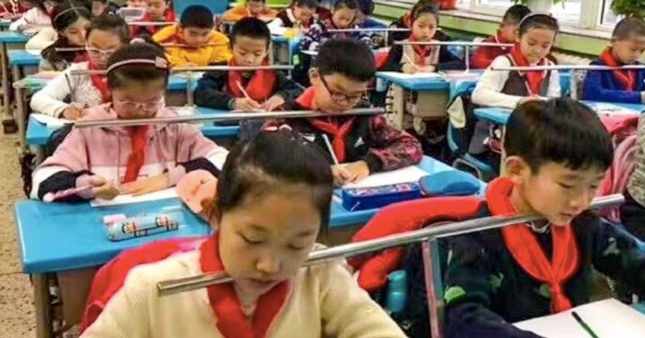
In several Chinese schools restrictions have been introduced for children’s eye health. They believe that the habit of leaning too close over a book can damage children’s eyes. They are not far from the truth.
The limiters allow the child to maintain a safe distance as well as ensure correct posture.
Training in eye massage
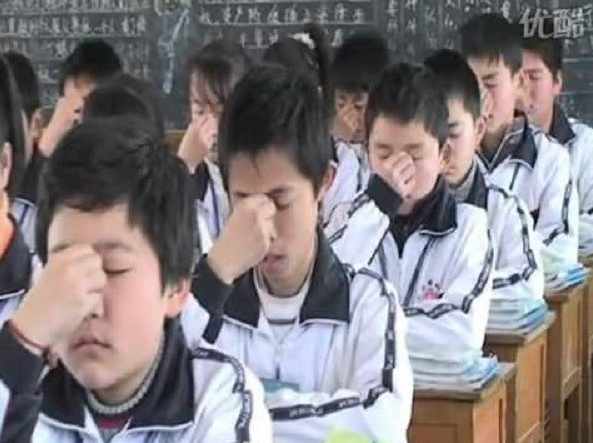
In most primary and secondary schools in China, in the first grade children are taught exercises for their vision. They are convinced that this will improve their circulation and relax the eye muscles.
The program also includes a massage of the eye area. Children are advised to do it twice a day.
Learning in the fresh air
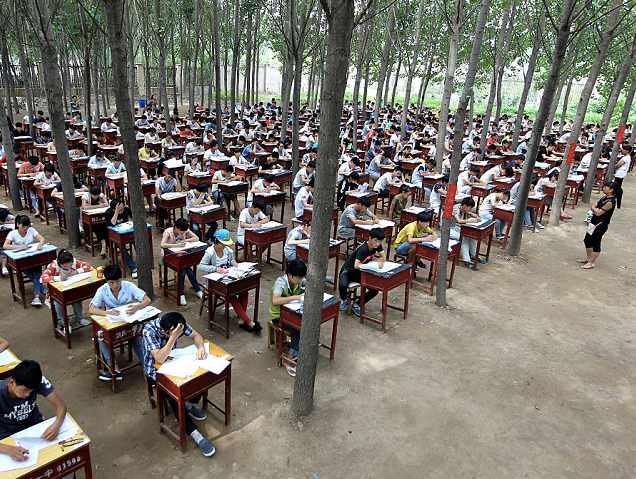
An outdoor learning system has been adopted across China for several years. It provides students with a needed dose of vitamin D.
Walking outside also reduces the stress of being in class and improves the child’s mental state, contributing to better academic performance.
Wearing masks
In winter people are much more prone to catching colds because they are in warm rooms crowded with pathogens.
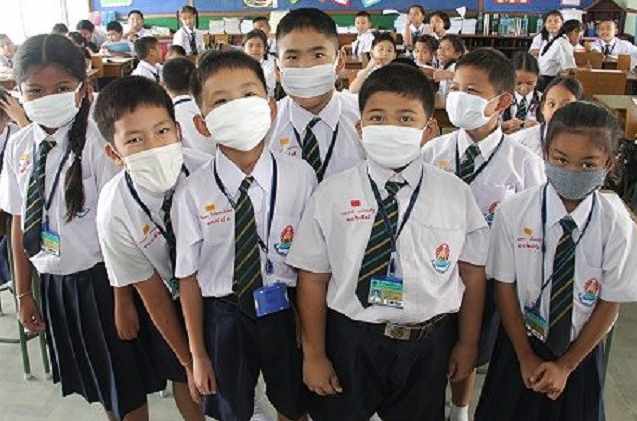
In Japan sick people and those with allergies protect themselves with masks that prevent them from inhaling pathogens and reduce the chances of passing germs to others. Children are no exception; they also wear masks in case of a flu or cold outbreak.
Live-streaming lessons
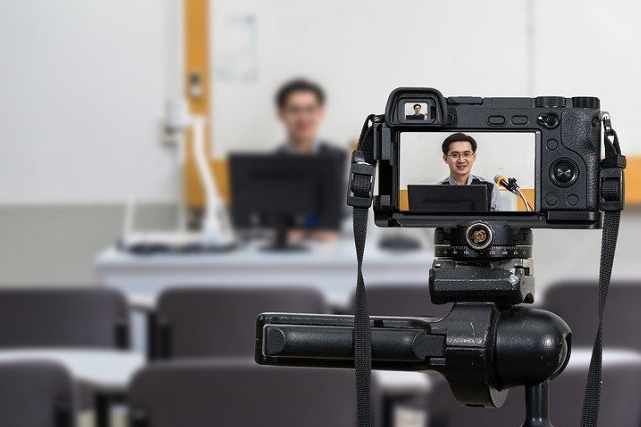
China does not lag behind when it comes to innovative education. When bad weather prevents children from going to school, teachers broadcast lessons live from an empty classroom.
This way children still have the opportunity to study from the safety of their homes. This idea is very useful and it doesn’t matter whether schools are closed due to bad weather or not, because teaching will continue anyway.
Small but varied meal portions
The Japanese have a lunch program designed to help hungry children in need. It started right after World War II, but the modern counterpart is largely the same.
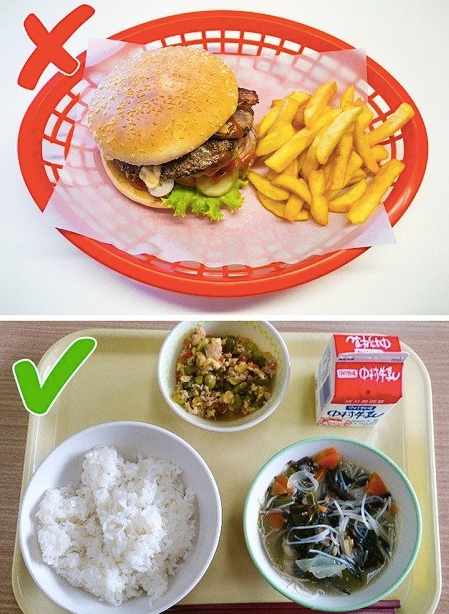
The food is not like Western food: it is divided into smaller portions of rice, meat, fish or vegetables.
Active leisure
Leisure activities are important for children especially for physical activity and sunlight. In South Korea outdoor activities are organized, e.g., hiking or swimming.
People living in urban areas also participate in programs that provide a necessary break from everyday life.
Walking
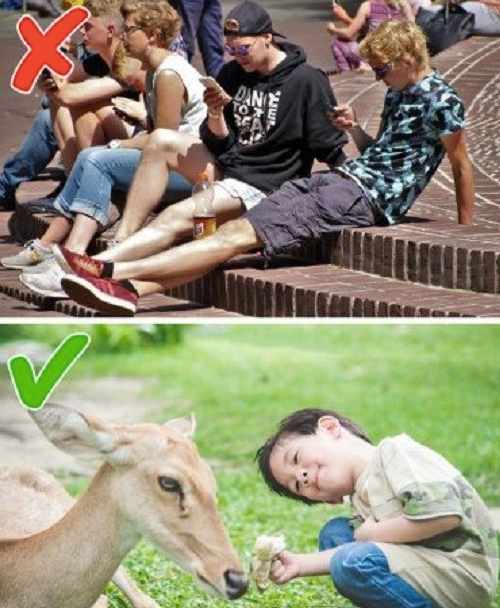
Walking is an important physical activity in many parts of Asia. There are several Asian countries where people prefer to walk rather than use public transport.
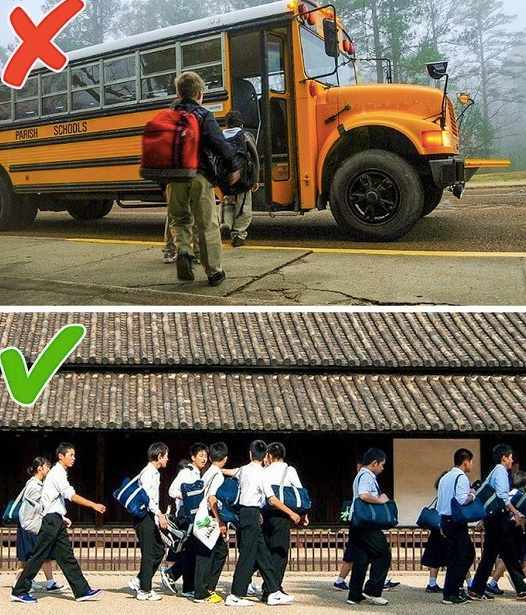
Children in Asian countries usually walk to school.
Monitoring internet addiction
Give children a greater sense of responsibility
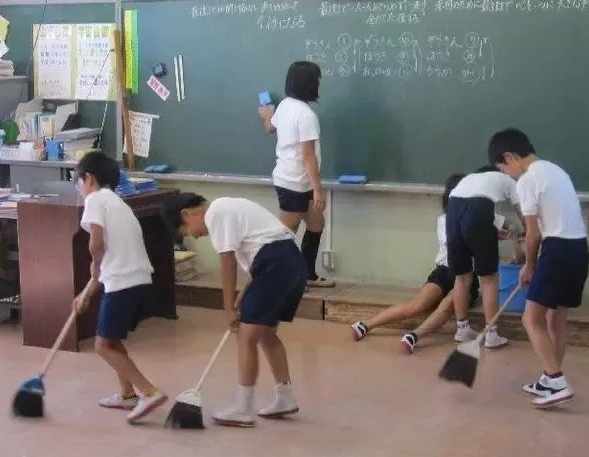
When you decide to leave responsibilities to your children, you support their sense of maturity and responsibility. Japanese children go to school on their own, do their homework by themselves and help clean the classrooms.
This also helps them to be independent and responsible. Consequently they also learn how to take care of themselves. Independence strengthens their character and thus they are not reliant on others.
Healthy diet
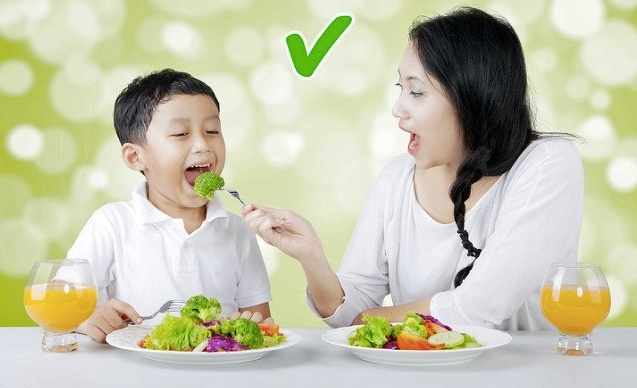
In Asian countries great effort is made to ensure that foods intended for children are always healthy. In Japan vegetables will always be the main part of the meal. Meat, unlike fish, is not considered as important, which is reflected in how often it appears on the menu.
Fat, dairy products and sugar also do not play a role in the construction of the Japanese diet. Soup and healthy ingredients such as goji berries, lemongrass and ginger are among the common components used in cooking.
Children drink tea
In countries like China and Japan children are encouraged to drink tea, not cola or other soft drinks.
Moreover, we’re not talking about ordinary tea, because Japanese and Chinese teas are usually green or herbal. They are excellent for health with many benefits – improving vision and reducing stress.
Innovative exercises
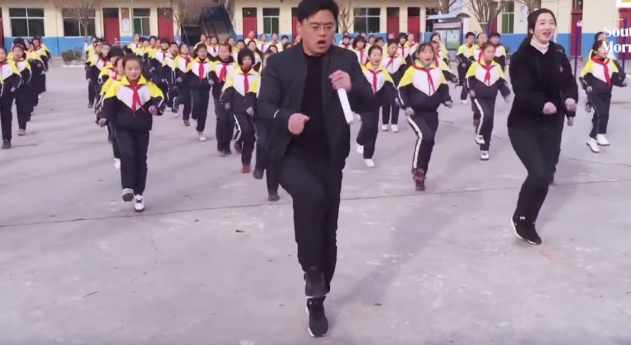
Asian countries emphasize that children’s physical activity is a means to ensure their health. Therefore there are various programs in schools, as well as exercises or dance.
The biggest and most current example of how the Chinese use innovative means to keep their students in shape is a dance that at first glance may resemble our Spartakiad.