
Article content
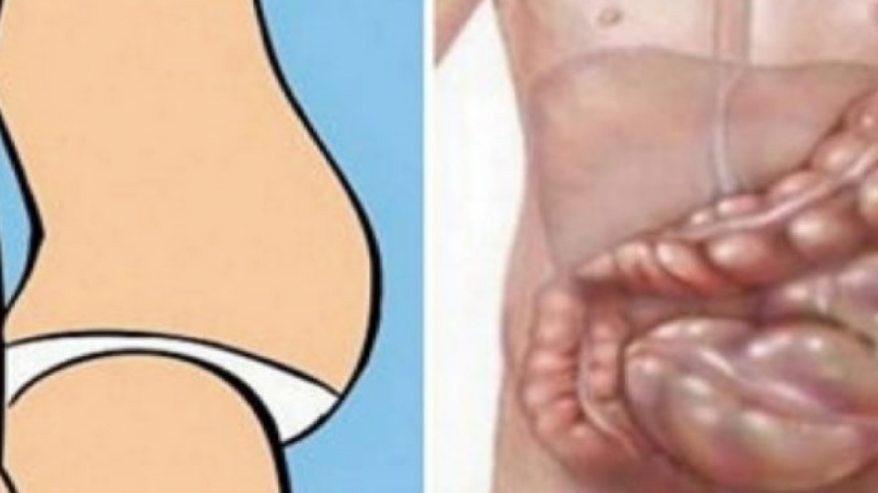
There is nothing attractive about a big belly that resembles a bloated balloon about to burst. And that’s not to mention all the gases inside and the discomfort they cause.
Bloating is a common problem, usually after heavy meals. For some people, however, it is a daily torment.
In this article you will learn about the causes of bloating and how to get rid of excessive gas.
1. Insufficient water intake
Dehydration is the main cause of several health problems, including intestinal gas. Excessive drinking of coffee and alcohol adds even more to this problem.
When was the last time you drank 6 to 8 glasses of water in a day?
When the body lacks water, it replaces it with fluid from tissues. This then leads to bloating, which may seem like water retention, but the opposite is true. The body lacks water.
So try to drink more water.
2. Constipation
Constipation can be quite unpleasant and is a reminder that you should consume more high-fiber foods.
Gases that remain trapped behind impacted stool do not stay still for long and will gradually start moving up and down the intestine. The result is an uncomfortably bloated abdomen and possibly pain.
Eat fiber gradually, otherwise you will only worsen the problem. Choose whole grain bread, avoid white bread.
Also include more fruits and vegetables in your diet. You can also drink smoothies, but prepare them in a blender, not a juicer, because a juicer separates the juice from the fiber.
3. Chronic stress
Believe it or not, stress can also cause bloating. When you are stressed, your digestive system does not perform its functions properly.
Try, therefore, to relax and let go of negative emotions. Before you know it, your bloating problems will suddenly disappear.
4. Eating too quickly
Partially chewed food is digested more slowly in the stomach and intestines, which results in bloating.
It’s that simple …
So don’t rush when eating, eat slowly and chew your food thoroughly in your mouth.
5. Carbohydrates and sugars
Excessive consumption of sugars and carbohydrates can contribute to increased gas in the intestines.
Consider replacing foods high in carbohydrates and sugars with foods that contain smaller amounts.
Also limit alcohol and eat more fresh fruit and vegetables.
Did you read the article to the end? Did it interest you? Then you can reward the editor’s work by liking the article on Facebook or sharing it, thank you.
Notice: This article is for informational purposes only and is a translation from foreign websites. It does not replace medical treatment, examination by a doctor, or consultation with other healthcare professionals. Posts may contain information that does not agree with the views of the editorial staff. Consult all necessary steps first with your doctor / pharmacist.


