Article content
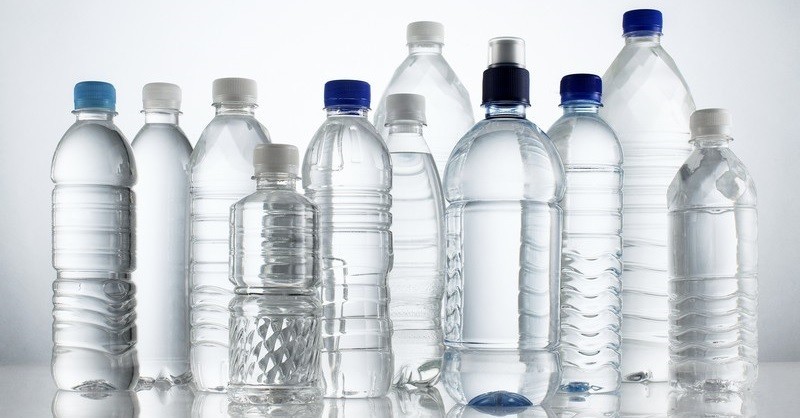
German scientists discovered endocrine disruptors in 18 different samples of bottled water that can negatively affect reproductive organs.
Of the 24,520 suspected chemical substances found in plastic bottled water, nearly all tested samples contained one substance that raises concerns.
Dangerous substances
2-ethylhexylfumarate (DEHF) is an endocrine disruptor that has repeatedly been shown to have antiandrogenic and antiestrogenic effects.
Endocrine disruptors
- interfere with the hormonal system
- can cause cancerous tumors
- cause congenital defects
- cause cardiovascular diseases
- contribute to metabolic diseases and developmental disorders
The study was carried out by Martin Wagner and Jorg Oehlmann from Goethe University in Frankfurt am Main and Michael Schlusener and Thomas Ternes from the German Federal Institute for Hydrology.
They confirmed that bottled water can contain high amounts of substances hazardous to health. This has raised serious concerns among experts. The authors used sensitive measurements of biological processes in test tubes to determine the overall estrogenic load represented by water stored in plastic.
Most of the analyzed samples showed contamination. Untargeted high-resolution spectrometry pointed to the presence of isomers of maleates and fumarates as possible candidates. In addition to 2-ethylhexylfumarate, they also detected the possible presence of other endocrine disruptors. The amounts they measured were actually lower than what would be necessary to cause the strong biological changes observed in the test tubes. This means that other substances with similar effects must have been present in the water.
Maleates and fumarates are not only biologically but also chemically quite similar to phthalates. Therefore the scientists believe they have discovered a new, previously overlooked group of endocrine disruptors. The antagonistic activity of the samples on biological processes was very strong. The equivalent of 3.75 ml of bottled water deactivated estrogenic and androgenic receptors by an astonishing 60 to 90%.
Analysis of bottled water from six countries showed the following biological effects:
- Estrogenic
- antiestrogenic
- androgenic
- progestogenic
- glucocorticoid (steroidal)
The answer is simple – do not drink bottled water from plastic bottles!
In addition, you can buy water filters that filter not only chlorine and its compounds but also other harmful substances. If you look around a bit, they are not hard to find and can be relatively inexpensive.
For example, a standard filter set including the filter costs only around 700 CZK. A replacement filter costs around 200 CZK and is good for 800 liters of water. For 1 CZK you can filter up to 25 liters of water. Of course not all of the 24,520 found chemical substances are harmful. But why deliberately introduce them into your body and expose yourself to unnecessary risk?
Surely you have also experienced the taste of chemicals from a plastic bottle, especially if you left it standing in the sun for some time. That is also one of the main problems – even if you don’t leave the bottle in the sun, you don’t know what has happened to it in the distribution chain before you bought it.
So if appeals to protect the environment from plastic waste did not convince you to stop buying water in PET bottles, the direct threat to your health might.