Article content
Poland is a well-known producer of various foods that target not only local markets but also our market. And as several recent cases have shown, it’s not always good quality and not always safe. It has happened in the past. Even the ministry warned about a number of products that have problems and should not be on our table at all. What are they and what is dangerous about these foods?
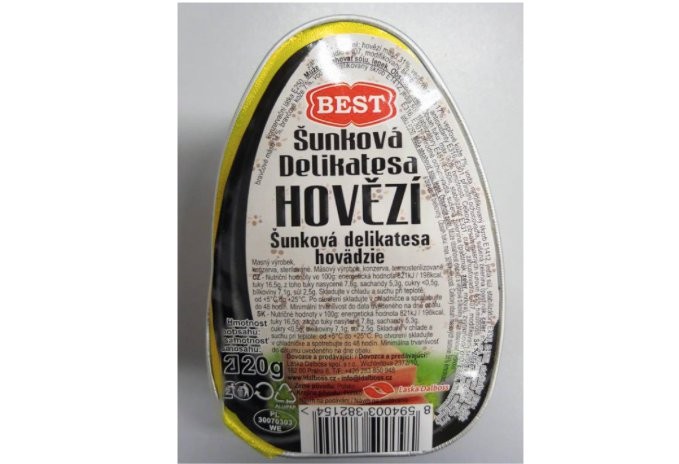
Best šunková delikatesa – Beef
The meat content in this product was 31% beef and 17% pork. So the product had almost 50% meat. And what was the reality? Tests showed that it was not even 39%.
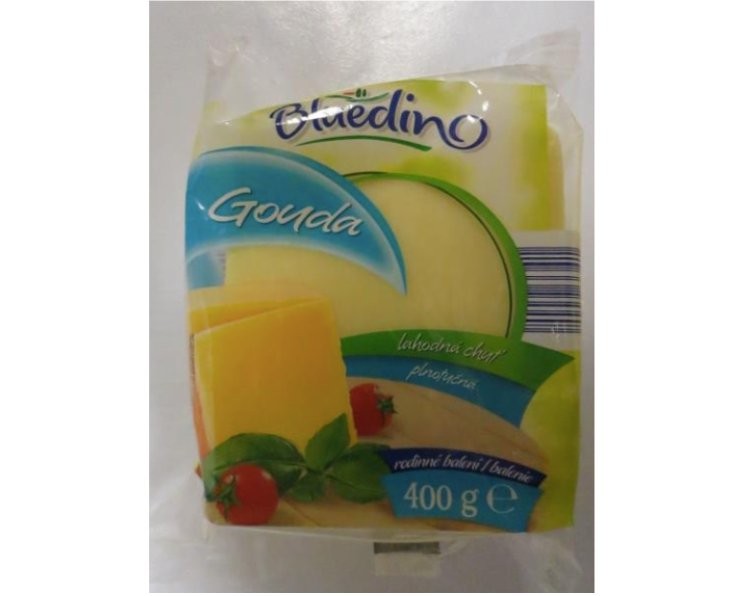
Bluedino – Gouda
Those who want to enjoy cheese should choose another. This Gouda also had problems with its composition. In that the salt content was much higher than stated. That affected not only its taste but also the customer’s health.
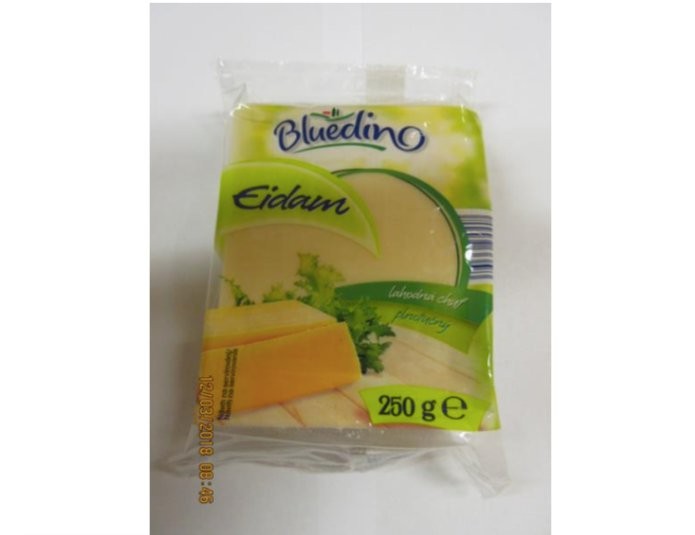
Bluedino – Edam
Another cheese from the same manufacturer, this time in the classic Edam style. There was no problem with the salt, but there was an issue with the amount of dry matter in the cheese. Its proportion was notably lower than the package indicated.
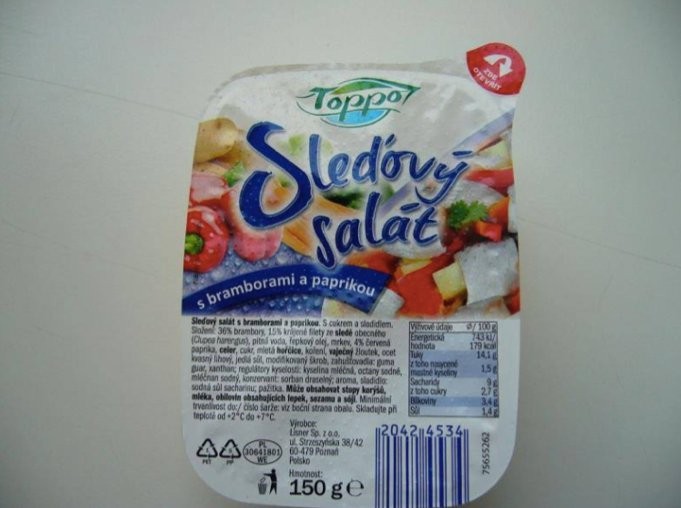
Toppo – Herring Salad
Anyone who would like to enjoy fish salad is advised to avoid this one. The reason is that it contains fish, but much less than it should. Each sample had different results, which ranged from 20 to 44%.
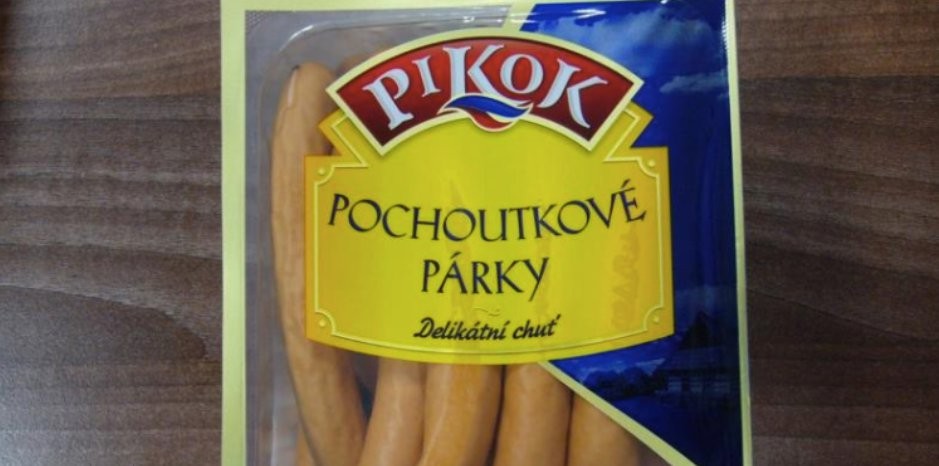
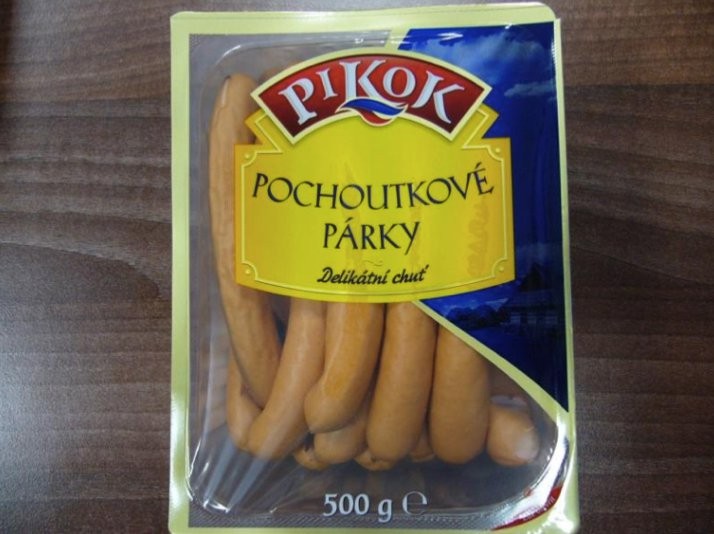
Pikok – Gourmet Sausages
Although the product was appealing and delicate, it had to be said that it might have seemed too salty to some. Even though the meat content was absolutely fine, it could be said that the amount of salt was significantly exceeded. By how much does the proportion differ in the package? About 31.4 percent.
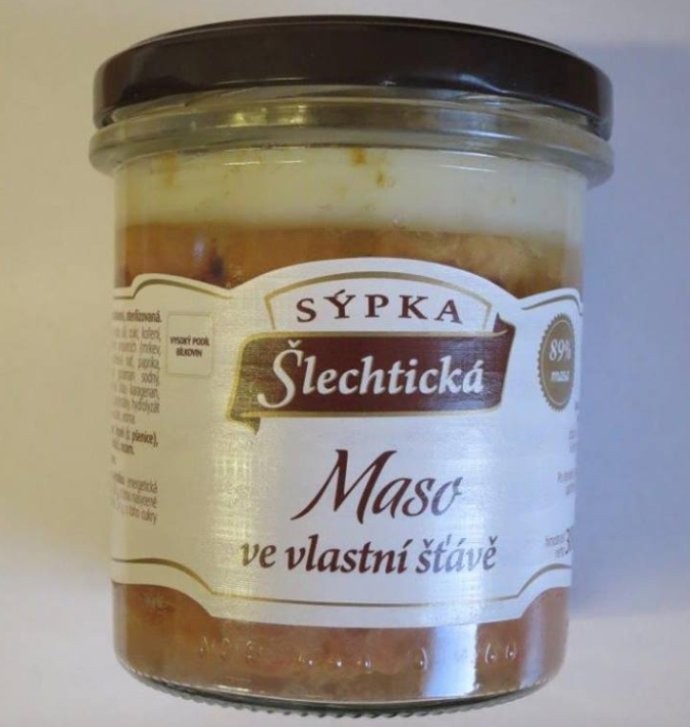
Sýpka – Noble
This is the name of a product which is meat in its own juice. It should contain 89% meat, which is a fairly good value. But the reality was different. Analysis showed that the individual proportions were significantly lower. They ranged from 69 to 74%.
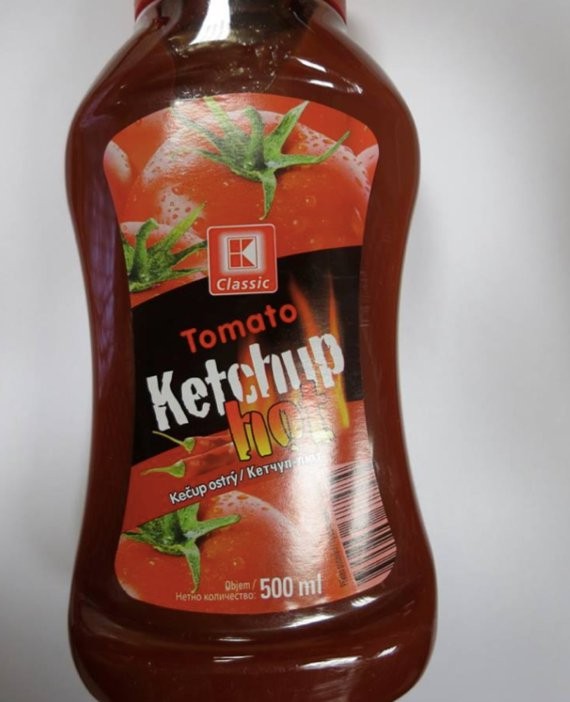
Kclassic – Tomato Ketchup Hot
Even this private-label Kaufland ketchup drew the attention of authorities. It’s because its composition was not what it should be. It claimed that 100 grams are made from 220 grams of tomatoes. But what was the reality? For that amount only 152 grams were used.
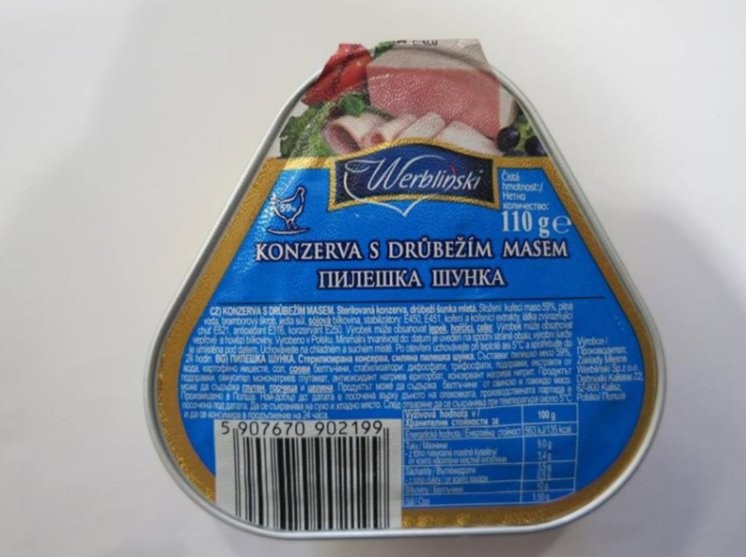
Werblinski – Canned Poultry Meat
By reading the label on this meat, the consumer could know that its share should be 59%. It’s not much, but at least something. However, as the test showed, in reality there was even less than 48%.
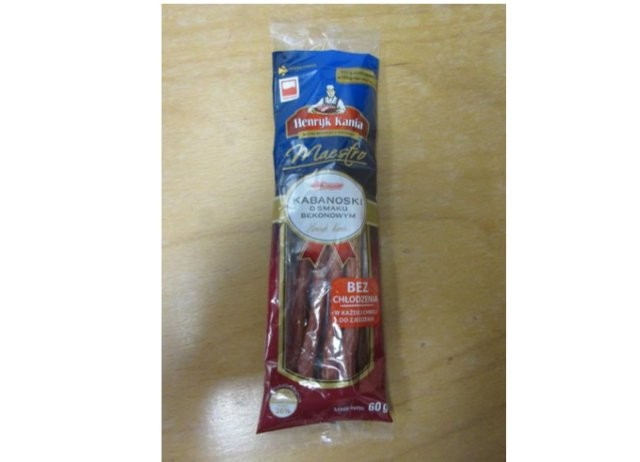
Maestro – Kabanoski
Anyone who would like to enjoy the Kabanoski could do so, but must admit that the meat content in them will not be the same as stated on the packaging. It was also one of the products for which it was clearly proven that less meat was used than should have been.
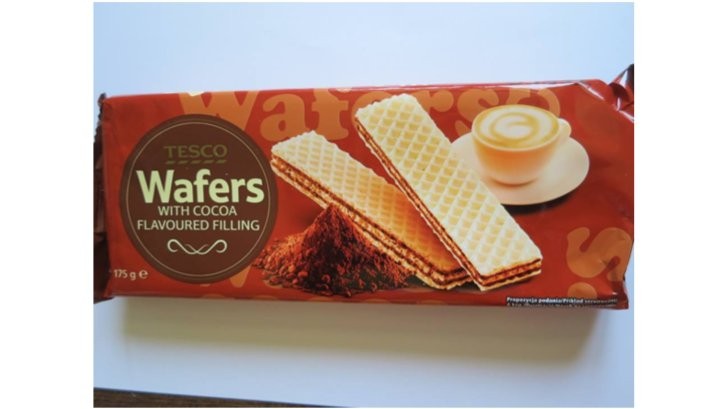
Tesco – Wafers
If you want to enjoy something sweet and choose this cheap product, you may be disappointed by the taste, but you may also have health problems. So if you are allergic to peanuts, do not eat this sweet because peanuts were found in this product.
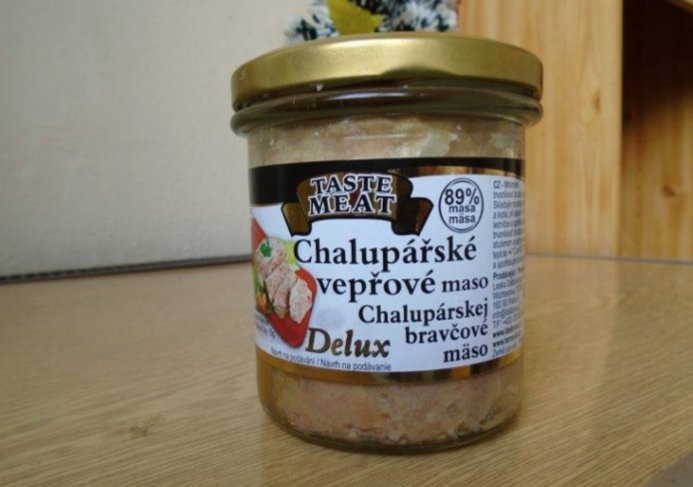
Taste Meat – Cottage-style Pork
Anyone who wanted to enjoy the meat and accidentally grabbed it from the shelf had something extra in the jar. As it turned out, some products contained pieces of blue foil that had accidentally gotten into the mix during production.
zero
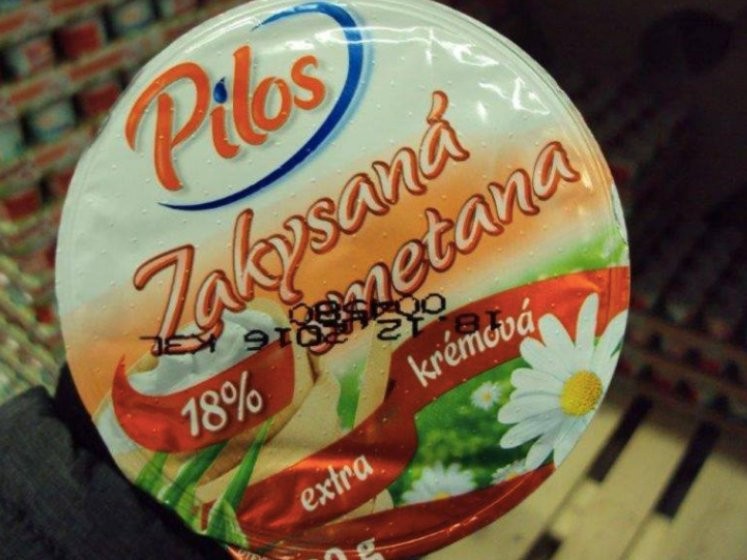
Pilos – Sour Cream
Specifically, the total fat content of the package should be 18%. However, when inspectors bought it and then carried out the necessary tests, it turned out that this was definitely not the case. As expected, the amount of fat was lower and amounted to only 16 percent.
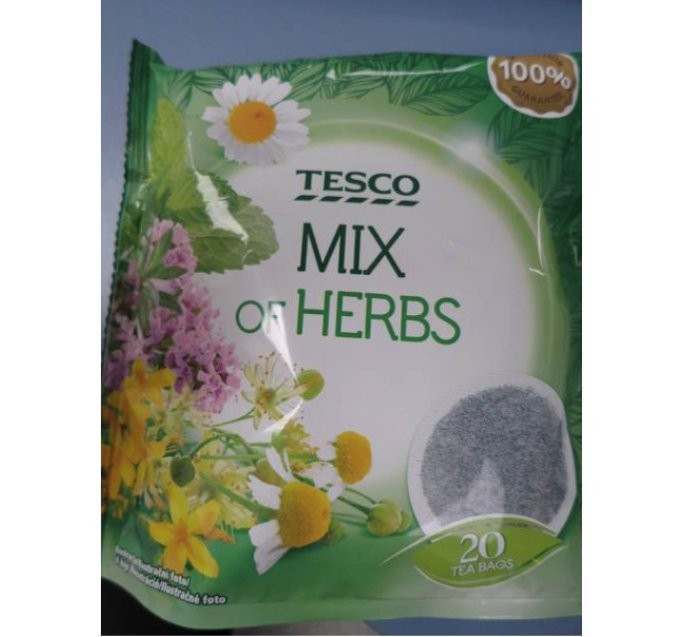
Tesco – Mix of Herbs
The name may not be entirely clear what it is. So we clarify that it is an herbal tea. The analysis found that besides the herbs that should have been included, something extra was present. And those are atropine and scopolamine. That means substances that definitely should not be in it.