Article content
We get and gobble up classic antibiotics much more than we should. We demand them without realizing that they only work on bacterial, not viral illnesses. In doing so we undermine the body’s ability to respond adequately to antibiotics when they’re needed.
That’s why it’s better in the case of less serious troubles to reach for the natural version of antibiotics.
There are foods that really have antibacterial effects and can help you not only when things are already bad, but also as prevention.
We picked those that are commonly available. Here they are!
Garlic
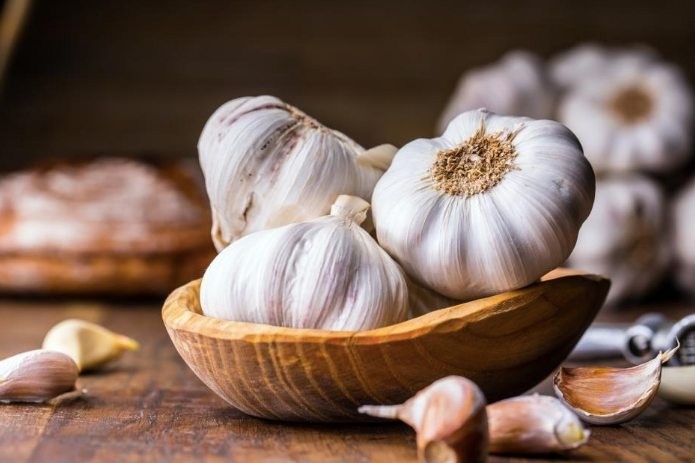
There’s already a lot about garlic on the internet. And rightly so! It’s simply a great prevention and remedy for many health problems. This giant of folk medicine helps with colds, sore throats, the flu, and is useful for urinary tract and kidney infections. Overall it benefits the immune system. It can also be used externally – for ear and toothaches, it treats cold sores and fungal infections and helps in the fight against warts.
The magic of garlic lies in volatile oils, vitamins A, B, C and E, and also selenium.
It is precisely the volatile oils and essential oils with sulfur-containing organic compounds that are responsible for the typical pungent smell and for how beneficial it is for health. Make a favorite garlic spread out of it, for example!
The more garlic, the better. Do you agree?
Onion
Onion also contains essential oils, as we notice every time we peel it. Sulfur-containing essential oils combined with flavonoids are a real miracle for the respiratory tract and generally for colds. Thanks to onion you can get rid of phlegm, make coughing up mucus easier and clear blocked sinuses. And it can be used externally as well – whether you cause a small injury or are bitten by an insect, onion can help.
Our tip: For cough and congestion, mix chopped onion with sugar or honey and let it release its juice. Then consume it regularly by the spoonful. The more hardened can even eat the onion.
Ginger
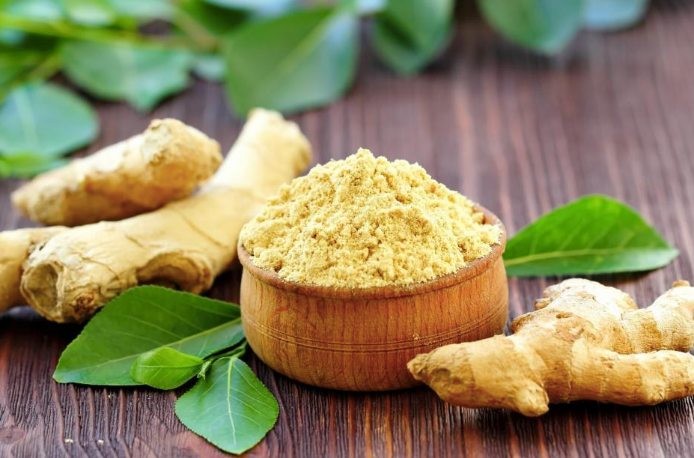
Ginger is utterly unmistakable. It may not look like much, but its pungent aroma and taste, especially when it comes to the fresh rhizome, can’t be mistaken for anything. The contained gingerol together with ginger essential oils has anti-inflammatory and antibacterial effects. The aroma of ginger is also important – inhaling the essential oils helps with a runny nose. If you make a compress from them, they will help you get rid of a sore throat.
By the way, for a sore throat ginger tea is great – just grate 1 cm of the root, pour boiling water over it and sip. For taste you can add honey, for example.
Ginger tea? You may not have drunk anything better for a sore throat, cold or cough!
Sea buckthorn
Although sea buckthorn is not talked about as much as lemons, it contains a lot of vitamin C and also A.
Small orange berries that are quite difficult to harvest from the bush also offer minerals. Sea buckthorn can be used internally and externally – the most common method of processing is making sea buckthorn oil, which is not difficult even at home. As prevention of colds and as a suitable remedy for them it is excellent when preserved in honey.
Flu? Calm down, you’re most likely just having a cold! We know how to recognize it.
Horseradish
Horseradish is also among the natural antibiotics at our fingertips. It is packed with fragrant volatile oils and substances that effectively deal with bacteria and viruses. Among other things it contains the antibacterial enzyme lysozyme. Horseradish helps mainly due to vitamin C with colds, blocked sinuses or with tonsillitis and inflammations of the tonsils (as a supportive treatment). And it’s even great to have when you’re taking conventional antibiotics – it contributes to the restoration of the natural intestinal microflora.
Honey
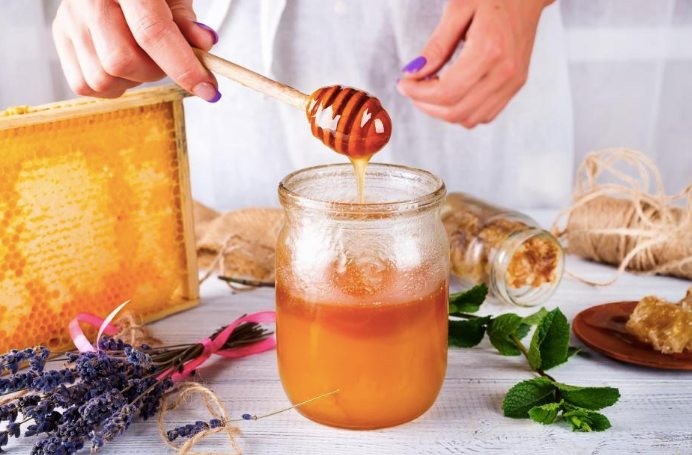
Honey is a staple of Czech households. For treating and relieving colds or coughs, it’s the homemade kind that’s effective, not the honey produced on a production line in bulk which is more a mixture of chemicals than honey. It should be added to tea we like to reach for during a cold or upper respiratory illness only when the tea is at most 50 °C. Only then will honey not lose its valuable substances. And what can it do? It destroys bacteria, strengthens the body’s defenses, and also acts as an antioxidant.
It also has wide external uses – for example in treating burned or frostbitten skin, bedsores, rashes or poorly healing wounds. It is even widely used in cosmetics.
Cranberries
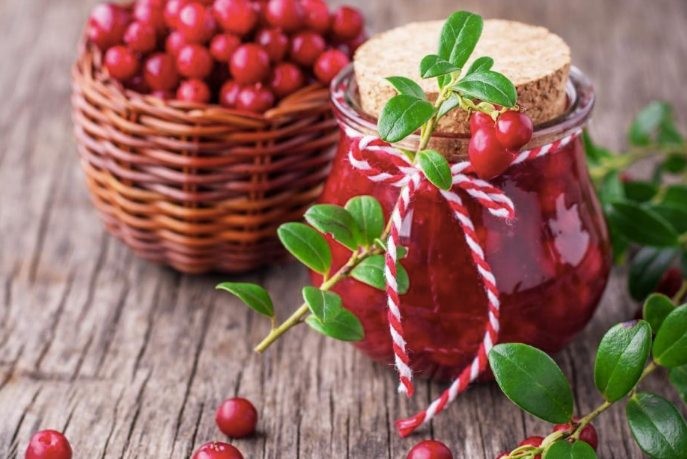
Cranberries boast strong antibacterial and antiviral effects. Cranberry extract is mainly known as prevention and treatment of urinary tract infections. But it can also be used for incontinence or intestinal problems. Cranberries can support nearly any treatment of these problems, however always consult a doctor or pharmacist before using strong extracts.
We mainly know the effects of cranberries in relation to the urinary tract. But they also help in other situations.
Turmeric
You may already use turmeric in the kitchen, you may even make golden milk from it.
This yellow powder has anti-inflammatory effects and strengthens the immune system.
So you can’t go wrong with regular consumption; moreover, if you really want to protect yourself from colds and other unpleasant things, you can try preparing golden honey – quality honey (100 g) with turmeric (1 tablespoon).
Natural antibiotics can make life a lot easier for us, you just need not to underestimate them. What’s your tried-and-true recipe for supporting your own immunity? Let us know in the discussion under the article!