
Article content
A home first-aid kit should be part of the basic equipment of every household. Misfortune doesn’t roam the mountains but people, and accidents are not coincidences. What must not be missing in a home first-aid kit and what can you do without? Here are a few tips.
Basic rules of the home first-aid kit
To prevent medicines from doing more harm than good and from getting into the hands or paws of the curious, you should get a first-aid kit that can be locked and stored in a safe (ideally elevated) place. Store individual medicines in it so that it is clear at first glance where everything is and keep them in their original packaging (including the package leaflets).
Even during a pandemic it doesn’t pay to hoard medicines. They all have a certain shelf life and buying up supplies from others is not wise at all, more like selfish. Every six months go through the first-aid kit, check the expiry dates of medicines and don’t throw out expired ones but return them to the pharmacy. It’s a good idea to write a list of important numbers for individual family members and emergency services on the inside of the first-aid kit.
Grow your own remedies. How about angínovník and rýmovník?
Medicines that should not be missing in the home first-aid kit
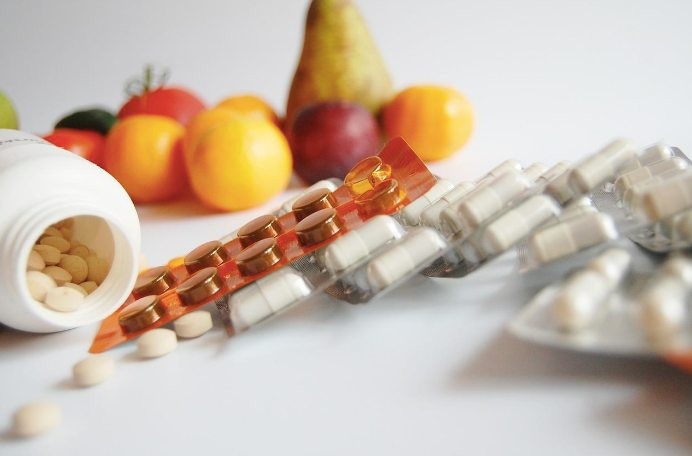
At home you should have at least basic medicines to reduce fever and relieve pain. It doesn’t matter whether you choose tablet form or hot drinks. Suppositories with paracetamol are also useful; they can be administered when the patient is vomiting or cannot take the regular tablet form of the medicine for health reasons.
The home first-aid kit should also include medicines for diarrhea, cough and sore throat, or allergies (you don’t necessarily suffer from them; sometimes you can break out in a rash without even knowing why). Don’t forget nasal drops or sprays, drops for irritated eyes and ointments or gels for burns. If you occasionally suffer from stomach pains or other digestive problems, add a few tablets to aid digestion.
Store medicines carefully, especially if you have children or pets at home.
Naturally include any medications you take regularly. It’s ideal to write on the box how often a particular medicine needs to be taken. Whether medicines are used regularly or occasionally, always follow the recommended dosage and in case of serious adverse effects contact your doctor immediately or emergency services!
Remember: You should never take medicines past their expiration date or specific drugs intended for other family members (for example antibiotics).
Medical supplies you should have on hand
But a first-aid kit is not just about medicines. It should also include basic medical supplies that you’ll use especially in case of injury or illness. It should include a digital thermometer, a disinfectant preparation and a triangular bandage. An elastic bandage and a woven gauze bandage or a tourniquet will also come in handy. Don’t forget plasters with pads and without, disposable gloves, tweezers, sterile cotton wool and dressing squares.
What if an accident occurs?
If you have furry pets or children at home, you need to pay much more attention to locking and proper placement of the home first-aid kit than if you live alone or only with a partner. If an accident does occur, it is essential to find out which medicine the child or animal swallowed, look up the package leaflet for it and contact a doctor or veterinarian immediately.
They will recommend further steps. Sometimes it is enough to induce vomiting, other times to give plenty of fluids or activated charcoal. Unfortunately drug poisoning is not that rare in our regions and is one of the common causes of death. Therefore it is extremely important to secure the home first-aid kit properly and store it where children and pets do not have access.
If you had to name three things that must not be missing in your home first-aid kit, which would they be? Let us know in the discussion under the article!


