Article content
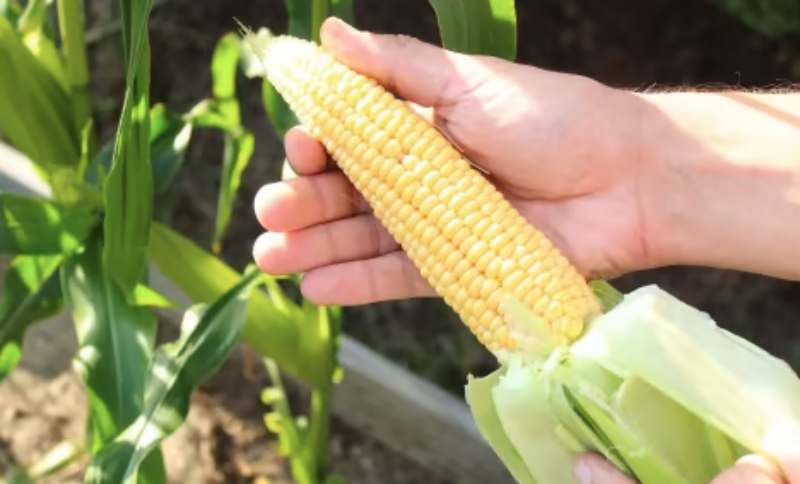
Corn is a popular summer treat that many of us love. Its sweet taste and crunchy texture make it an ideal choice for grilling and summer picnics. However, before you dig into this tasty food again, it’s good to know a few things that may surprise you. Here are some important facts about corn that are good to keep in mind.
1. It’s not a vegetable
Although we often consider it a vegetable, corn is actually a grain. Historically people domesticated and cultivated it as a staple crop. Its classification as a grain affects the way our body processes it and its nutritional value.
2. It can trigger some diseases
Although corn does not contain gluten, its high glycemic index means it quickly raises blood sugar levels. This can lead to problems such as diabetes and low-grade inflammation. Corn can also irritate the intestinal mucosa and cause digestive issues in more sensitive individuals.
3. Hard to digest
Corn is known for being difficult for the stomach and intestinal system to digest. It often leaves the body in an almost unchanged form. If you have digestion problems or are trying to improve your digestive well-being, you should be cautious with corn consumption.
4. Contains lectins
Lectins are proteins that our body has difficulty digesting. Corn contains lectins that can cause intestinal trouble and disrupt the function of the digestive tract. Although these proteins are mostly expelled, they can cause problems with digestion and nutrient absorption.
5. Loaded with pesticides
Most of the corn we find in stores today is not organic. It contains pesticides and plant protection chemicals that can be harmful to our health. If you want to consume corn with a minimal amount of chemicals, it’s good to look for organic or bio options.
6. 85 % is genetically modified
Research shows that approximately 85 % of corn available on the market is genetically modified. Genetic modifications can have various effects on food quality and safety, although they are often made to increase crop resistance and yields.
What to take from this?
Corn is undoubtedly tasty and nutritious, but it’s important to be informed about its possible drawbacks. If you have sensitive digestion, are thinking about healthy eating, or are concerned about ecological and genetic aspects of food, you may want to consider how and when to consume corn.
Whether you decide to eat corn regularly or only occasionally, we hope this information helps you make an informed decision about your diet.