Article content
The right choice is the be-all and end-all of home coloring. Our hair may be beautiful, shiny and nourished after coloring, but it’s pointless if the color is completely different from what you dreamed of.
A real lottery
We can stand at the shelves for half an hour until we choose the color that, in our judgment, suits us best. Hand on heart, ladies, which of you didn’t secretly long for the result to be as radiant and stunning as the model on the package? The truth is usually quite different. Choosing that “fateful” hair color is often a complete lottery. Each of us follows our own criteria. For one person the deciding factor is the brand, another is attracted by eye-catching packaging, or whether a mask or some other post-coloring product is included for free. But the biggest mistake we make is choosing a color based on how attractive it looks on the packaging. As they say, knowledge is power. If we knew too, we wouldn’t experience that disappointment mixed with horror that is reflected in our eyes after rinsing out the hair dye.
The secret of the numbers
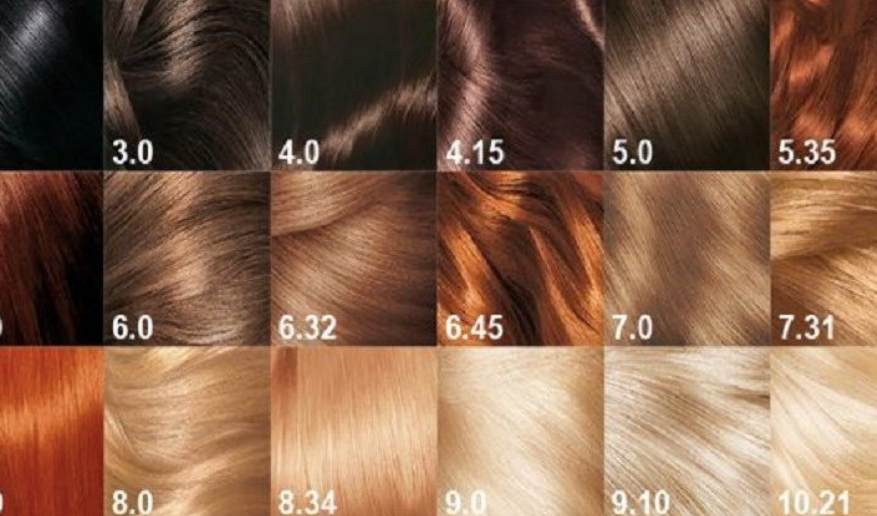
You should pay proper attention to the numbers when choosing the right box. It’s not complicated — you can always see them; they’re usually placed next to the color name. Based on these numbers you should always choose the color range, unless you want a radical change that will be completely different from your original shade. These ranges vary between different dyes. The point is that if you figure out which range your shade is in, you’ll focus on a narrower selection of boxes in the store and the result will be truer.
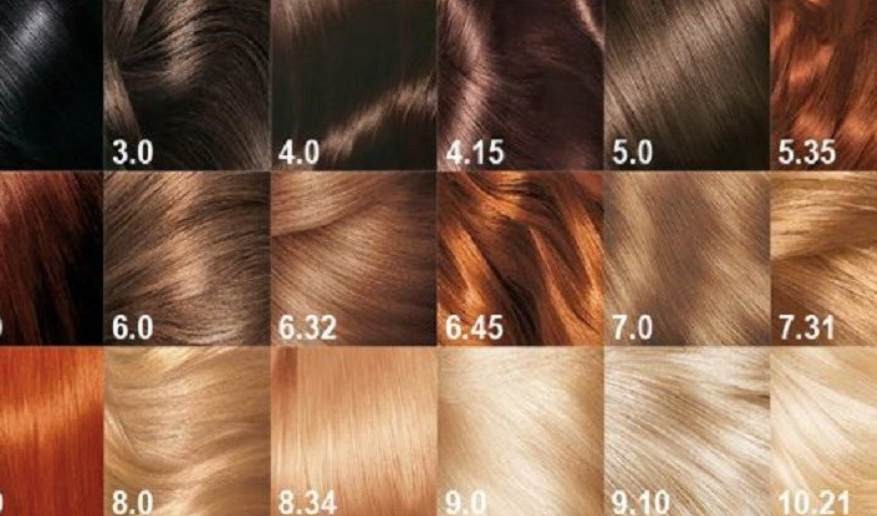
1 – black
2 – dark to deep chestnut
3 – dark brown
4 – chestnut
5 – brown to medium brown
6 – medium brown tending toward light
7 – light brown
8 – light brown to dirty blonde
9 – dirty blonde
10 – light blonde
11 – 12 – very light blonde, lightener
How to make sense of it?
With such simple counting everything is still fine. Problems arise only when you find that the color numbers go even deeper. You must distinguish between the natural shades we introduced above and the artificially created ones.
0 – natural shades
1 – ash (violet pigment)
2 – violet
3 – golden
4 – copper
5 – mahogany
6 – red
7 – coffee
Some use numbers, others letters
As if that weren’t enough, manufacturers also hide their explanations behind letters. On some dyes you can therefore encounter not numbers but letters that indicate the color range.
C – ash
PL – platinum
A – extra lightening
N – natural colors
E – beige
M – matte
W – brown
R – red
G – golden
K – copper
I – intense colors
A, F or V – violet shades

Level of color permanence
To find out how long and how intensely the hair color will last, you should also carefully study the box and especially the small-print paragraphs. Colors with low and short-lived effects are usually encoded under the number “0”. These are typically shampoo colors or sprays.
“1” indicates that the color contains no ammonia or peroxide, but that means your color will only be mild; it will refresh and slightly tint the hair and give it shine, but the effect will be short-lived and will last only a few washes.
“2” indicates the presence of peroxide, sometimes also ammonia. The color will last about 3 months.
Under the number “3” are the most durable colors, which withstand the most washes and truly change your natural color.
Of course, in addition to the symbols and images on the original packaging, you should also consider your hair. Make sure to take into account whether it is meant to tint, highlight, or simply brighten.
So you should think twice when choosing colors. If you really care about the final effect, choose a shade carefully and by all means take this guide with you on your next visit to the drugstore. Experimenting with hair isn’t worth it. For every woman hair is a crown of beauty, so reckless whims are truly the wrong choice. Good luck!