Article content
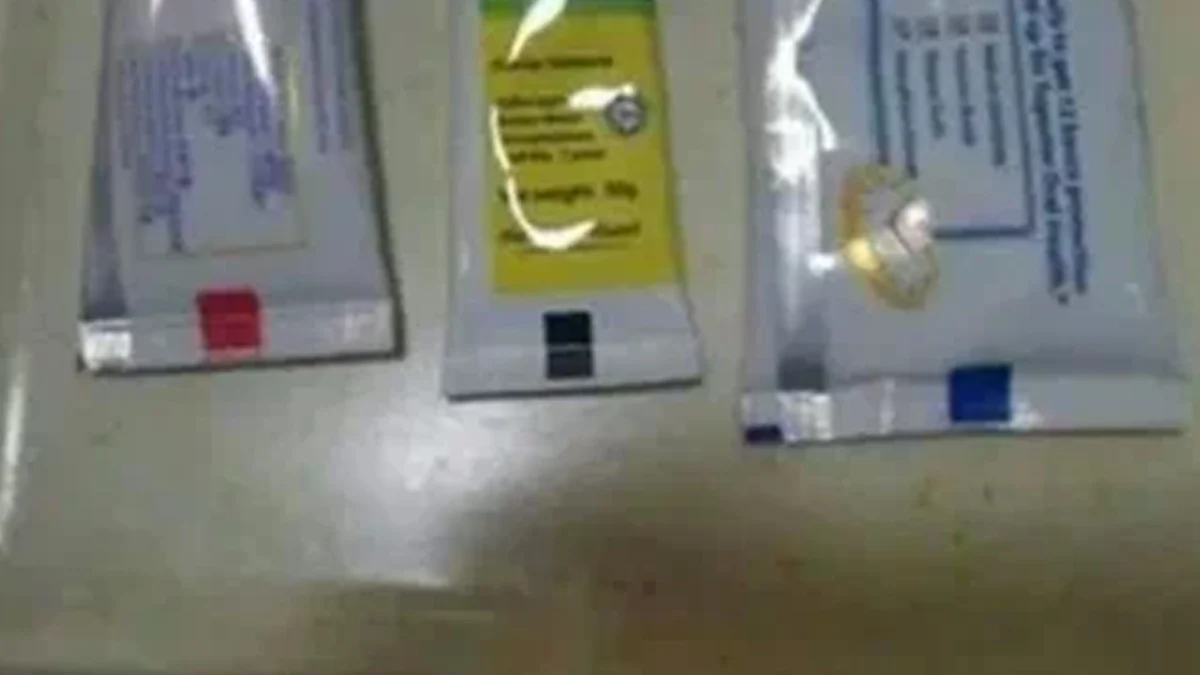
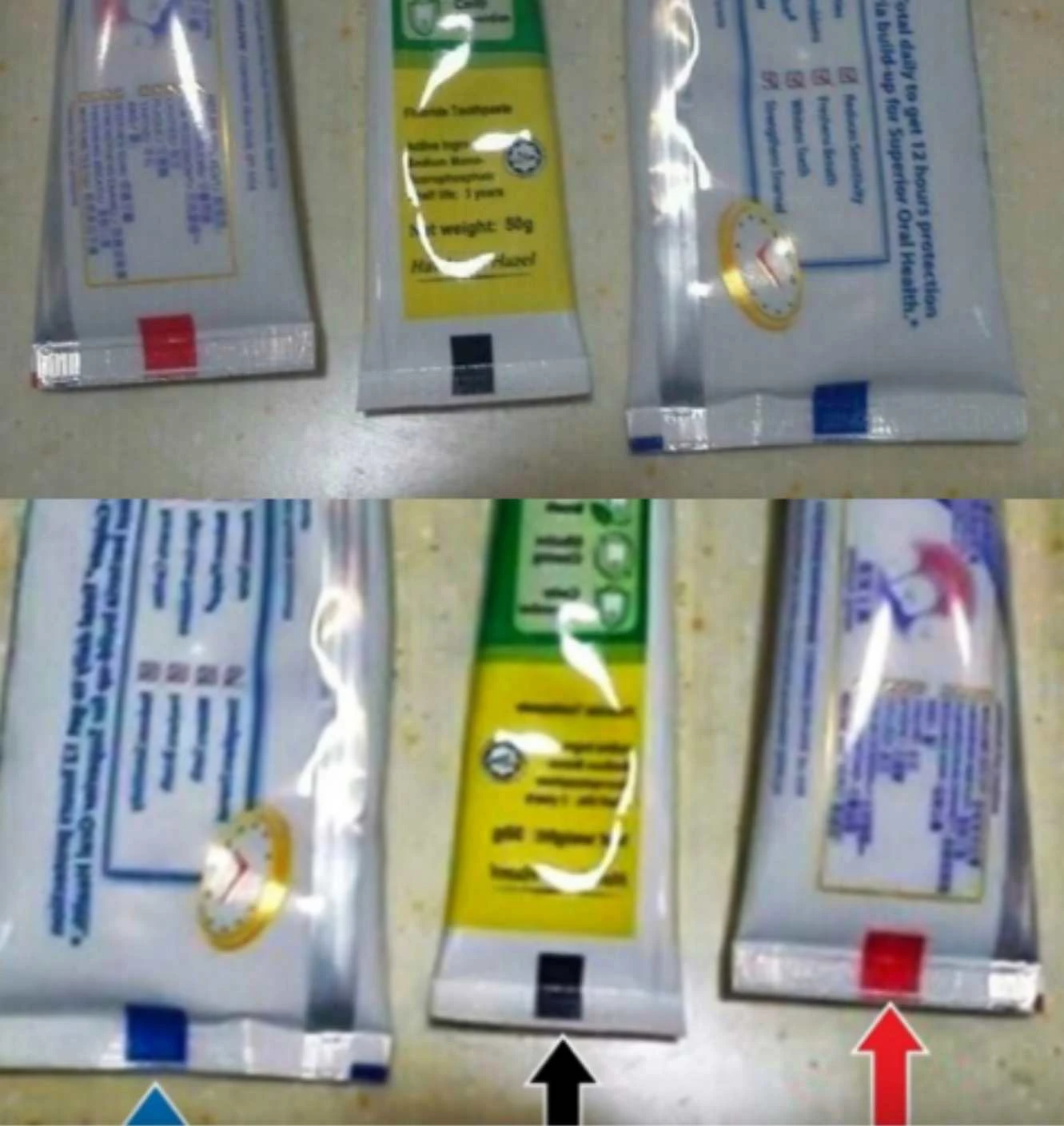
Have you ever noticed that there is a colored square on the back of a toothpaste package? Some media claim that the squares can tell us something more about the quality of the toothpaste we use.
But is that really the case?
We searched for the meaning of the mysterious squares and discovered interesting things. Choose your toothpaste much better, faster and more responsibly. The claimed desired effect may no longer be just what is advertised. We often grab toothpastes from drugstore shelves that have huge headlines proclaiming their whitening effects. The fact remains that the true effect a given paste can have on teeth is indicated on its back side.
Toothpastes
If you buy pastes from reputable manufacturers, you should be able to tell at a glance what a specific paste really works for thanks to the small colored squares.
At least that’s what some websites claim. However, these are unsubstantiated pieces of information. So let’s look at how it is “supposedly” supposed to be, but in reality these pieces of information are merely misleading.
The mysterious squares
The green square on the back of the tube supposedly indicates that the paste is made almost exclusively of natural ingredients. Such toothpastes are truly as rare as saffron on the market. In addition, you can commonly see similar green markings on other cosmetic products based on natural ingredients.
The blue square should indicate that the paste contains both chemical and natural ingredients.
The red square, on the other hand, indicates that the paste contains a small but nonetheless not negligible amount of dangerous chemicals. You can really brush your teeth with such a paste without worry. Problems may occur if you ingest the paste, especially in larger amounts.
The black square is the “most dangerous.” It marks exactly the kind of pastes that are almost one hundred percent chemical products, i.e., they contain no natural ingredients.
Where is the truth?
However, we decided to verify this information and found that it is false information that reached various sites as early as 2013. As the site hoax.cz reports, this story came to us from English sources and spread here as well.
The color markings on toothpastes do not indicate their quality or content. For that reason you should be on alert and always carefully read the information about the composition of the toothpaste you are about to use.
Studies show that frequent visits to the dentist are sometimes caused by ourselves, especially by using whitening pastes or tooth powders. Likewise, pastes made almost exclusively of chemical additives damage tooth enamel, and even the highest quality ones can completely destroy it with long-term use. If you ask how it is possible that such pastes make it to the market, don’t look for an answer. It’s pointless.
Definitely avoid anything that is rough on your teeth
That is, toothpastes containing small particles or tooth powders or products not verified by the chamber. Besides causing decayed teeth, you can also cause excessive yellowing of the teeth, allergies, or asthma attacks. And we didn’t even realize everything we put into our mouths!