
Article content
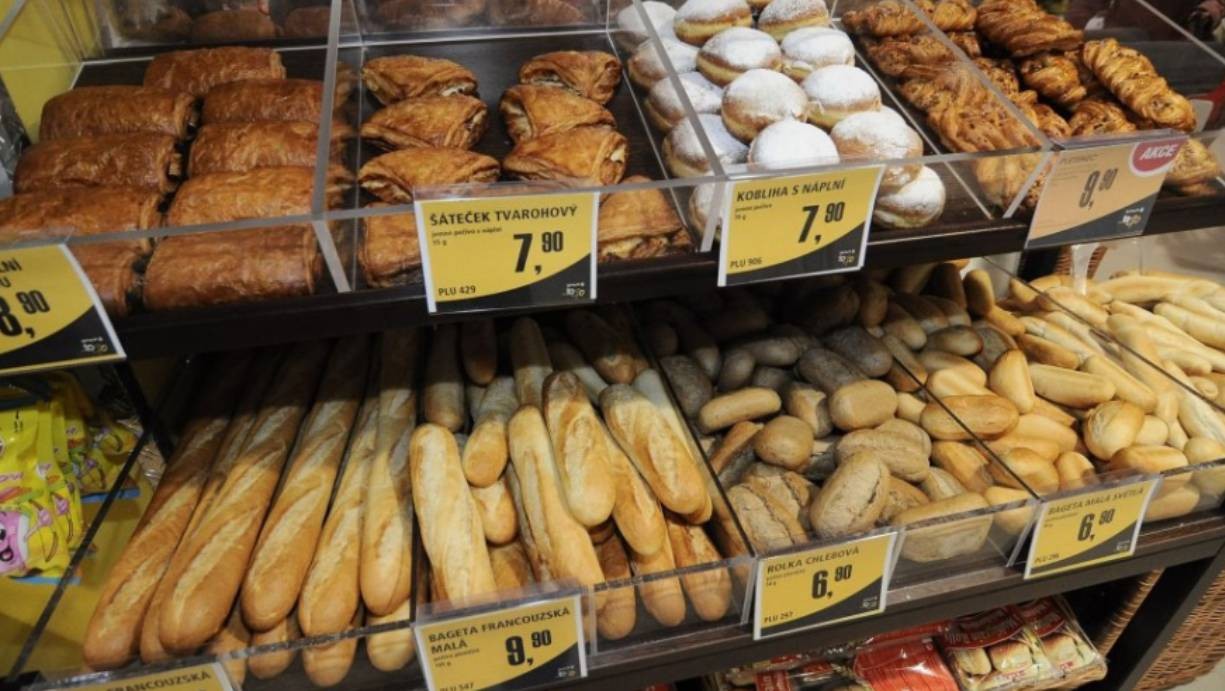
Do you also belong to those people who don’t bake their own homemade baked goods at home, but buy them in large stores? Baked goods sold in large shops often come from bakeries where cleanliness and proper hygienic conditions are not given much attention. As a result, baked goods are produced that may not be good in taste and certainly not in their composition. We will tell you what is hiding in such baked goods.
Baked goods
There are many bakeries that may produce baked goods with interesting contents such as hair, donkey hooves or pig bristles. These are ingredients that get into the baked goods and we then happily consume them at home. Under normal circumstances you probably wouldn’t eat this, so why do we eat it in baked goods?
Not all baked goods are the same
If you bought baked goods that come from a large bakery, there is a high probability that they contain similar ingredients as we mentioned above. Whether it is bread, a roll or a braided sweet bread (vánočka) makes no difference.
You are probably thinking now that bakeries don’t care about hygiene at all, but beware, the problem lies somewhere else.
Composition of purchased baked goods
Have you ever looked at the specific composition of baked goods purchased in a large supermarket? If not, do it. In the ingredients you will not only find ordinary flour, milk, water and sugar, but you will also find various E-additives such as E 920, which is among the most well-known. Instead of this E-additive the baked goods may also contain L – cysteine, but it is essentially the same thing. It is a substance that is also added to livestock feed.
But how are these substances produced?
These substances are made from donkey hooves, hair, feathers and livestock bristles. All these additives are dissolved in acid and only through subsequent processing does the substance known to us as E-numbers arise.


