
Article content
The coronavirus pandemic is moving the world and is occupying, besides healthcare workers, countless researchers who are trying to find out what impacts it may have on the human body. In many countries numerous studies are underway to examine the possible consequences of this disease and help predict its further behavior and mutations. One of the studies dealing with this respiratory illness aims to define the changes occurring in the body after successful recovery. As it seems, complete healing may never occur.
What can the long-term consequences be?
This question was addressed by scientists at Washington University, who conducted an extensive study covering 87 000 patients with Covid-19 and more than 5 million control samples. Based on it they reached alarming conclusions that may nevertheless be very useful in terms of prevention and more thorough care for recovered patients. The study showed that six months after a coronavirus infection diagnosis the risk of death among the monitored patients was 60% higher than the general average, regardless of the severity of the disease. Long-term observation revealed that out of 1000 patients there are 8 deaths related to post-COVID syndrome. Patients who have had a coronavirus infection should be monitored long-term because of the risk of developing post-COVID syndrome, which can result in severe organ damage or death.
Comparing it to the flu is denying the facts
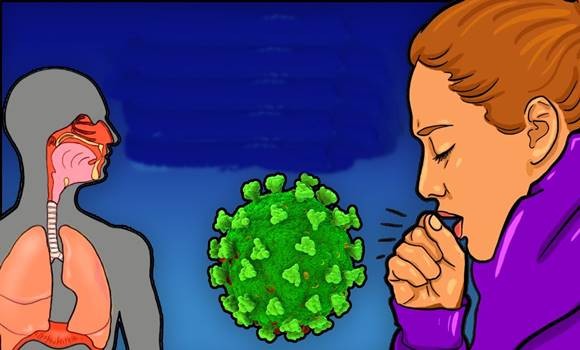
In the early stages of the pandemic there was various minimization of this disease. Some claimed it was just another kind of flu and that treatment for the two illnesses was essentially the same. We now know those claims were mistaken and the extent of the damage to the body caused by Covid-19 is incomparable with the consequences of “ordinary” flu. Sure, both diseases have similar symptoms (dry cough, fever, shortness of breath), but the crucial difference is the much higher proportion of severe cases in coronavirus infection, which results in a 30x – 40x higher probability of death. An unavoidable fact is the unpredictability of SARS-CoV-2, because unlike the influenza virus, which primarily attacks the lungs and airways, this insidious disease can damage almost any organ in the body. After thorough analysis of diagnoses, treatment success and laboratory tests, experts were able to identify a number of major health problems that persisted in infected persons for up to half a year after the illness.
What is post-COVID syndrome?
Basically these are the after-effects caused by organ damage from coronavirus infection. Most often the respiratory system is affected long-term, which manifests as shortness of breath, chronic cough and low oxygen saturation. The nervous system can also be affected, presenting with headaches, frequent forgetfulness, and disturbances of taste and smell. In rare cases a sudden stroke may occur. Mental disorders are not uncommon either and can result in depression and anxiety. Covid-19 can completely disrupt the entire metabolism, which can lead to the development of autoimmune diseases (e.g. diabetes), the onset of obesity or high cholesterol. Regarding its connection to the body’s most important organ, there is a risk of heart failure, acute ischemic disease and arrhythmia. Post-COVID syndrome has also manifested as kidney failure requiring dialysis, blood clots in the limbs and in the lungs. Mild symptoms include fatigue, malaise, muscle and joint pain, diarrhea, constipation, rash and hair loss.
The study will continue
The research is especially useful in highlighting possible complications and ways to prevent them. By uncovering this syndrome it will be possible to avert unnecessary deaths that often occurred as a result of the unpredictable behavior of the Covid-19 virus. Thanks to the experts and their work, step by step we are progressing toward uncovering this dangerous disease.


