
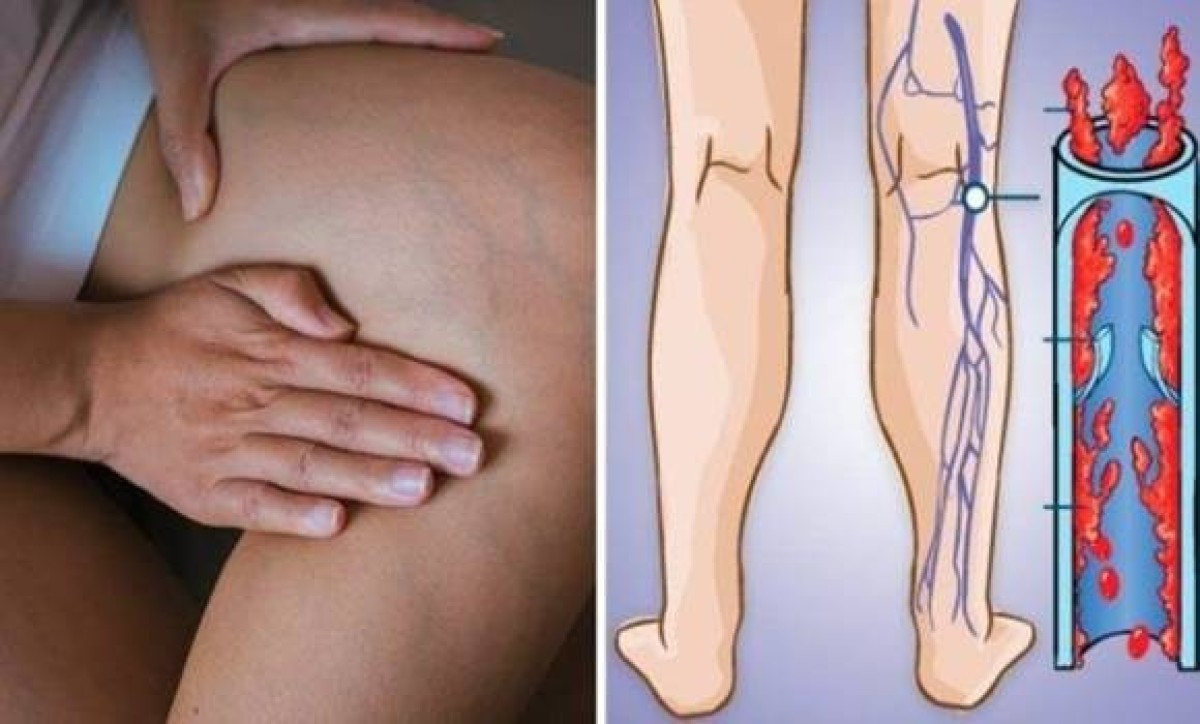
Article content
The fact that blood clots is in itself positive; blood clotting is what protects living organisms, including humans, from excessive blood loss in the event of an injury.
However, blood clotting also has a negative, very dangerous side. If blood thickens deep within the bloodstream, a clot can form that restricts or even stops the free flow of blood. This phenomenon is medically called thrombosis and can have very serious consequences, especially when it threatens the most vital organs in the body, which are mainly
- the brain
- the heart, and
- the lungs.
For the reasons stated above, it is essential to know how thrombosis manifests externally so that we can detect it in time, seek medical help as early as possible, and eliminate the fatal consequences it can have for our health and life.
Chest pain
Never underestimate chest pain, especially when it is accompanied by respiratory problems and shortness of breath. These signals are typical for pulmonary embolism. The pain resembles that of a heart attack; it is also intense and stabbing. In the case of a blood clot, however, the pain is always associated with other symptoms mentioned above.
Ankle swelling
If you are not aware of any prior awkward step or injury and yet one ankle or both swell, this is often a sign of dangerous venous thrombosis. A clot can travel through the bloodstream to important organs and endanger their function. It is therefore necessary to visit a doctor as soon as possible, who will determine the next steps based on an examination and diagnosis.
Markedly increased heart rate (so-called palpitations)
If a pulmonary embolism occurs, that is when a blood clot reaches the lungs, inflammation of the chest often develops as a result of reduced oxygen in the blood, which then flows more slowly than under normal conditions. The heart automatically increases its beat frequency to compensate for this shortage, and the person feels pronounced palpitations in the chest.
Breathing difficulties
Pay particular attention to sudden changes in breathing rate that have no obvious cause, such as recent heavy physical exertion, a strong stressful situation, and the like. If you experience severe and unexpected breathing difficulties, it is very likely a sign that a blood clot has reached the lungs and caused a pulmonary embolism.
Unexplained cough
Like sudden shortness of breath, a sudden, usually dry cough is a sure sign of pulmonary embolism. It is usually accompanied by chest pain and sometimes the patient may cough up blood.


