Article content
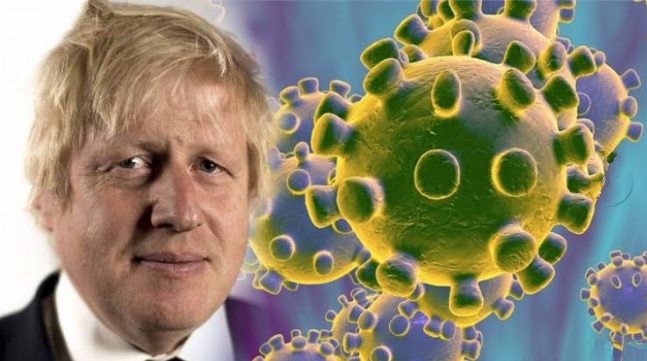
British Prime Minister Boris Johnson at a Monday press conference stated his radical view on the COVID-19 virus.
Great Britain, unlike the original tactic, began to take the coronavirus much more seriously, CNN reported.
Until last week it was enough for people with COVID-19 symptoms to stay home for seven days, but now they are to be in isolation for two weeks. The prime minister still recommends that people do not travel and limit contact with others.
He also urged them to avoid pubs, clubs, theaters and restaurants, especially older people, pregnant women and people with weakened immune systems.
They should “protect” others for a period of 12 weeks. Whoever can should work from home.
He also stated that emergency services will no longer be present at large gatherings in the future, such as sporting events and music concerts. Just last Thursday Boris Johnson insisted that the British ideal was to let the coronavirus spread through the entire society; he refused to close schools or cancel mass gatherings.
The only measure was an incentive to self-isolate for those who feel symptoms. And that only for the announced one week. “Wash your hands and be sensible,” the British government advised.
Meanwhile European countries were adopting increasingly tougher measures. Critics of Boris Johnson began accusing him of playing Russian roulette with his nation. The number of cases is rising, and British lawmakers had to deviate from their wild plan faster than originally expected.
The increase in new confirmed cases actually exceeded expectations.
Boris Johnson also began to be more accommodating to the media and committed to daily press conferences.
Nevertheless, Britain is currently falling far behind other Western countries and the train is leaving it. Unlike Ireland, it has not yet banned the operation of restaurant establishments. 7.9 million hospitalized, a dire prognosis According to a secret report by Public Health England (RP), which is intended as instruction for workers of the National Health Service (NHS), the coronavirus pandemic could last until next spring and lead to the hospitalization of up to 7.9 million people, writes the British website The Guardian.
The disease Covid-19 would thus affect up to 80% of Britons. “When people hear that it will last 12 months, they will first be angry and frightened. A year is, however, a fairly plausible time. This number, however, is not sufficiently understood. I think the incidence will fall in the summer, by the end of June, but the virus will return in November, similar to, for example, seasonal influenza. I think it will be here forever, but over time it will become less severe, in connection with increasing immunity,” Paul Hunter, a professor of medicine at the University of East Anglia, told The Guardian.