
Article content
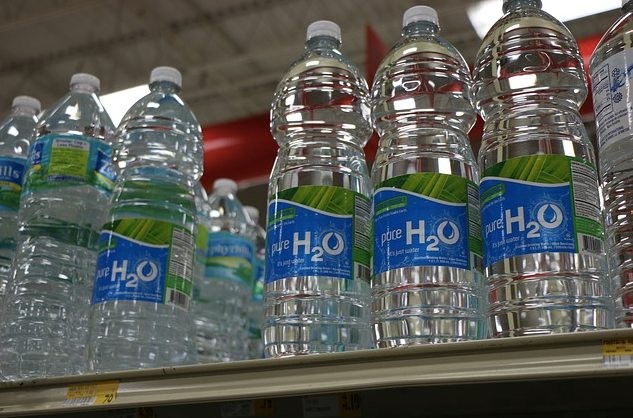
There is probably no person who doesn’t drink water from a plastic bottle. Such bottled water is all around us and although it may seem trivial, plastic packaging represents the greatest risk to our health. What are the disadvantages of PET packaging and why does it pose a potential risk to our health?
After this article you will look at bottled water a little differently. Not only do they significantly contribute to the pollution of our planet, but by using them we also “pollute” our bodies.
So why should we avoid them?
Labeling
Plastic bottles have a mark on their bottom. This tells us what kind of plastic was used in their production and on that basis we can find out all the necessary information about this material. Some labels should warn us before purchase, otherwise the bottles are relatively safe.
A bottle marked with the number 1 in a triangle (PET or PETE) should be single-use only. Once this type of plastic is exposed to high temperatures, including sunlight, it releases toxins directly into the water we then drink.
You should steer clear of labels marked 3 or 7 (PVC and PC). They leach a number of chemicals directly into the water or food the packaging is intended for. If food is stored too long in packaging of this composition, it can even lead to serious health problems.
Polyethylene marked 2 and 4 or polypropylene with number 5 is the most suitable choice for food packaging. Bottles with this label are safe for multiple uses, but you should store only cold water in them. Don’t forget to wash and disinfect them regularly.
Bacteria
The amount of bacteria that settle in a plastic bottle increases with each use. Considering that there is a long journey from filling the bottle through distribution to finally being placed on store shelves, it’s no wonder. Many people touch the bottles, we store them in various places, and as a result this is a very short path for bacteria.
The amount of bacteria in bottles often exceeds safety limits and some experts even compare drinking from a plastic bottle to licking a toilet bowl.
Therefore you should regularly wash bottles not only with detergent and warm water. We recommend using, for example, vinegar or antibacterial agents.
Neck
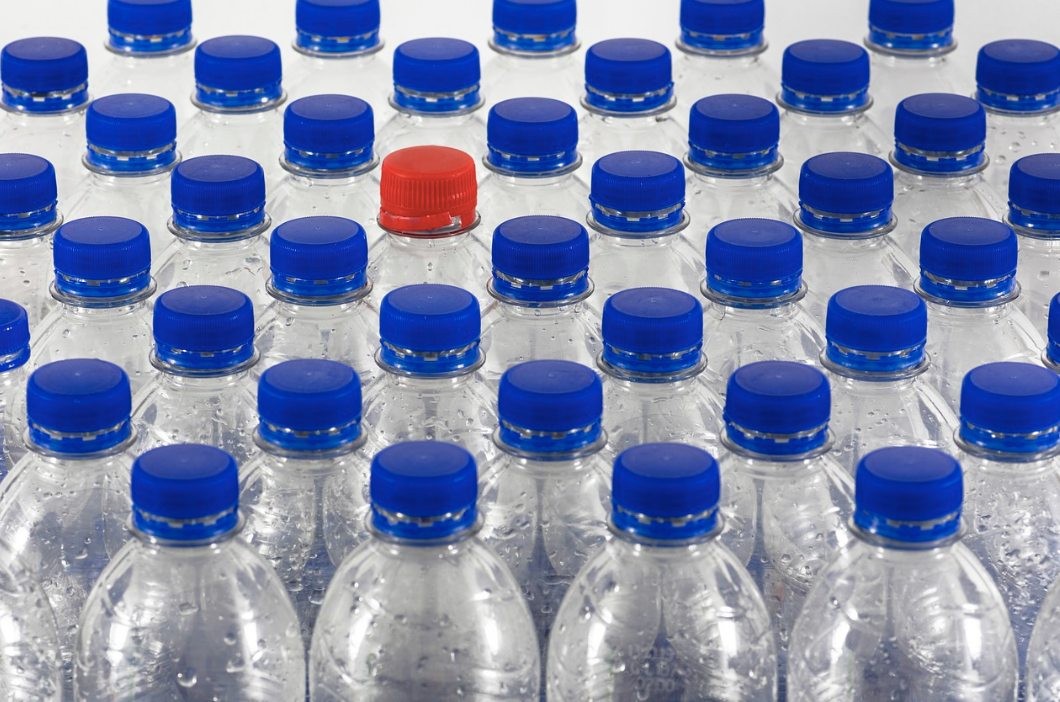
Even when you wash the bottle, the cap is very treacherous and, let’s be honest, this area is quite complicated, so we have to take twice as much care to really clean this part of the bottle thoroughly. Especially unsuitable are bottles with a closable neck that are often intended for small children.
These places are a paradise for bacteria and if your child does not have sufficient immunity, the simple act of drinking water can thus be a source of infection for your little one.
If you have the option, use a straw instead, which prevents direct contact with the bottle’s neck.


