
Article content
Fruit and vegetables are an important part of our diet. Do you know what to watch for and what to look for when buying these foods? Let’s try to map out a few types of these healthy fruits and give you some advice on how to act when purchasing and subsequently storing them. Many of us treat shopping like a race, but this quick purchase does not always pay off. Only after arriving home do we discover what mistakes we made, or later, when after a few days from the purchase our beautiful and fresh produce often turn into rotten something that no longer really tempts us to eat. Yes, food naturally decays, but how can we help ensure it lasts as long as possible?
For which fruits are room temperatures acceptable?
Many people tend to put all fruit and vegetables in the fridge. Cold conditions, however, are not always the best solution. A lot of fruit and vegetables prefer room temperature, for example:
- Peppers
- Cucumber
- Onion
- Eggplant
Bananas:
When choosing bananas we primarily look at their color. We try to avoid those that are green; such bananas are harder to digest than the yellow ones. If dark spots have already appeared on your bananas at home, you definitely do not have to throw them away. These spots mean the banana is much sweeter than before and there is no reason to fear eating it. If we don’t want to eat it plain, we can incorporate it into various recipes, of which there are many. As for storage, we are careful not to put them in the cold. At room temperature bananas last much longer.
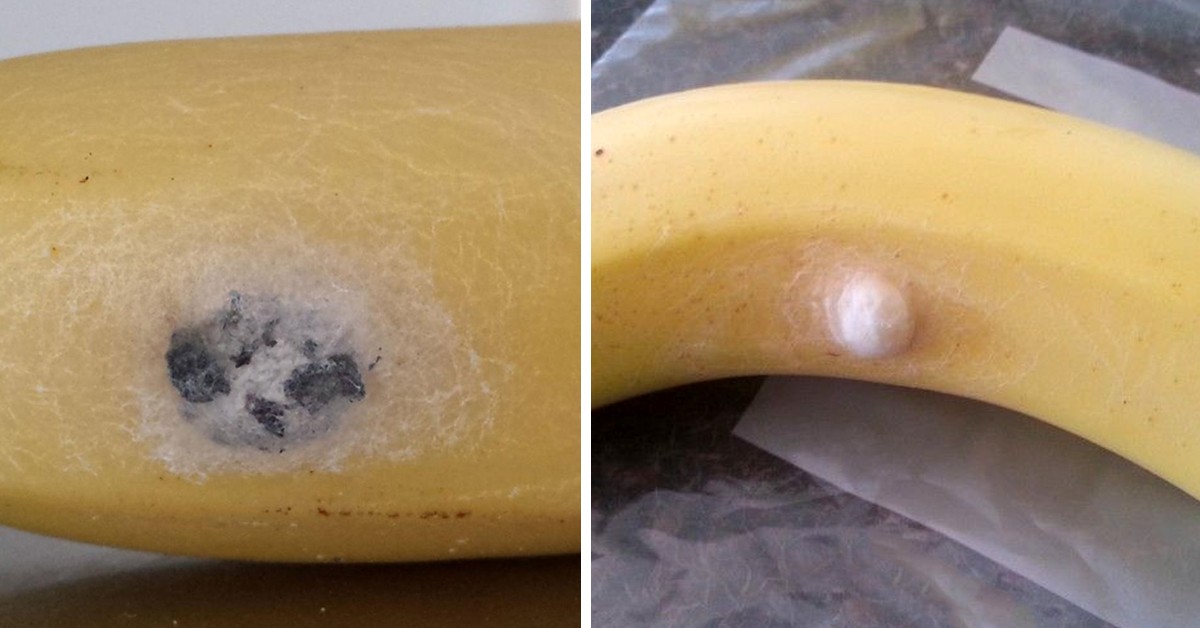
Bananas are often associated with the occurrence of dangerous spiders; if we spot a small white nest on the fruit, we definitely should not store it further but dispose of it as quickly as possible. We could otherwise come into contact with the Brazilian wandering spider, which is very venomous.
Strawberries:
We all know this summer sweet treat. When buying strawberries, make sure they are not damaged or moldy. Do not buy those that are too pale or too dark; a golden middle path is the best. Store strawberries in the cold and, ideally, so that they do not touch each other. For strawberries the rule applies that the smaller the fruits, the more pronounced and better their flavor.
Plums:
As with strawberries, check plums to see if they are not damaged. We can check by smell whether they already give off an alcoholic scent; in that case it is not advisable to buy them. A sign of plum ripeness can be if there are still some blossoms on the plums; then we can be fairly sure that the fruits were harvested recently.
Tomatoes:
We know many colors and shapes of tomatoes. Most of them, however, taste exactly the same as the classic ones. What should we watch out for with tomatoes?
- We try not to buy them in plastic trays, but individually – this way we avoid mold
- Store them at room temperature
- Test tomatoes by touch – weight and firmness
Radishes:
When selecting this root vegetable, make sure the fruits are not soft and the greens are not wilted. The roots must be firm; only then will they boast a pronounced flavor. You can extend the shelf life of radishes by placing a damp cloth over them.
Carrots:
When shopping try to check by touch whether the carrot is sufficiently hard and has an appropriate weight; it must not be soft or shriveled. Make sure there is no mold on it. Remove the tops from store-bought carrots, as they can draw water out of the carrot and you would have to discard it soon. When choosing, definitely prefer unpackaged carrots. For storage try to avoid cold temperatures; carrots last longer and do not soften as quickly when kept out of the refrigerator. If you have a cellar at home, you can set the carrots in a box of sand; this method is widely used and carrots can last for several months.


