
Article content
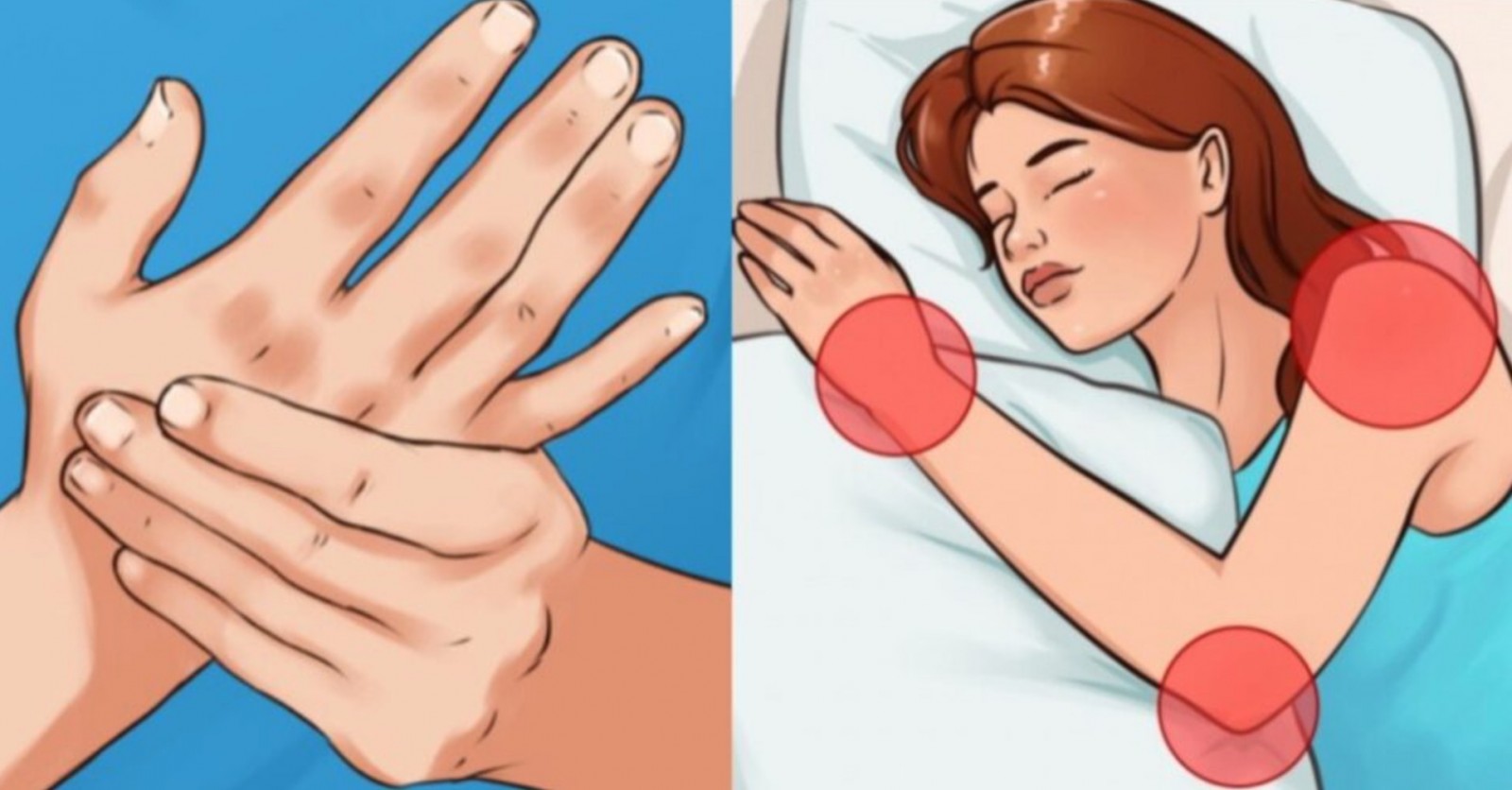
What illnesses do signs on the hands reveal? Can a doctor detect serious health problems just by looking at your hands?
In some cases, yes, because the hands often “reflect” skin, joint, or even heart disease.
According to the American College of Rheumatology, a specialist can learn a lot by looking at someone’s hands.
Below you will find the most common and strangest disease symptoms that manifest on the hands:
Rash on the palm or wrist
Small red bumps or blisters on the underside of the hand often indicate a nickel allergy. According to the American Academy of Dermatology, sensitivity to this metal is one of the most common causes of allergic contact dermatitis. Many everyday items we come into contact with, from jewelry to electronic devices, are made of nickel.
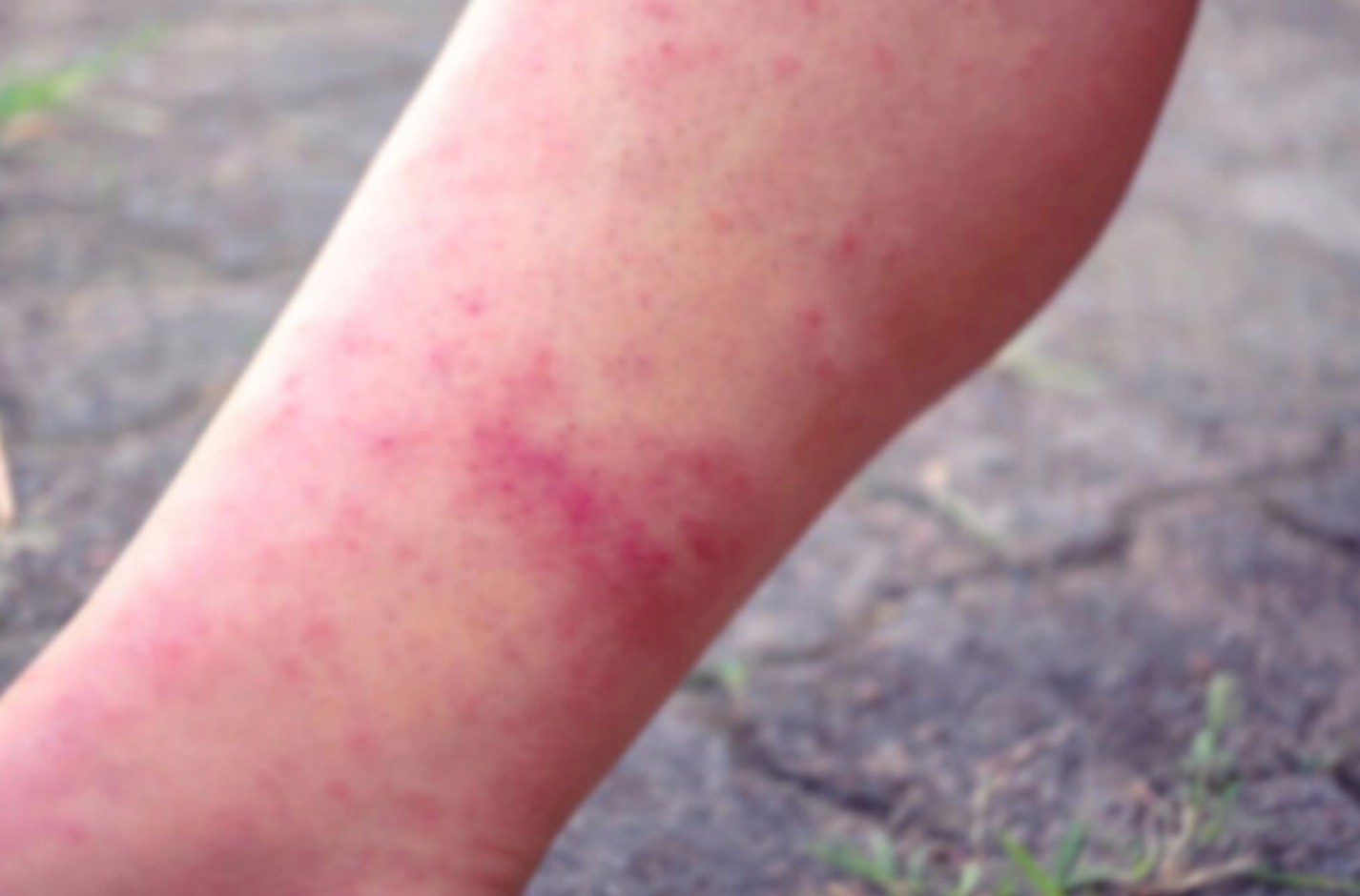
A small amount of this metal is also found in foods such as beans, chocolate, peanuts, soy, and oats, says Dr. Salma Fari de la Feld, assistant professor in the Department of Dermatology at Emory University in the USA.
Numbness and tingling of the hands
In young people with no health problems, numbness of the hands is often a symptom of carpal tunnel syndrome. To determine whether the numbness is caused by an innocent reason (e.g. pressure on the hand during sleep) or a serious cause, a doctor may recommend an electromyogram, which will reveal nerve or muscle damage, says Dr. Matthew Barrett, an assistant professor of neurology at a university hospital in Virginia.

He warns that sudden numbness or tingling of the hands is a reason to go immediately to the nearest hospital, as it may indicate a stroke.
“Locked” finger
Stenosing tenosynovitis, also known as “trigger finger,” is characterized by the inability to move the thumb or index finger and the “locking” of the joint. It usually occurs with inflammation of the tendon that connects the bone to the finger muscle and is more common in women than in men.
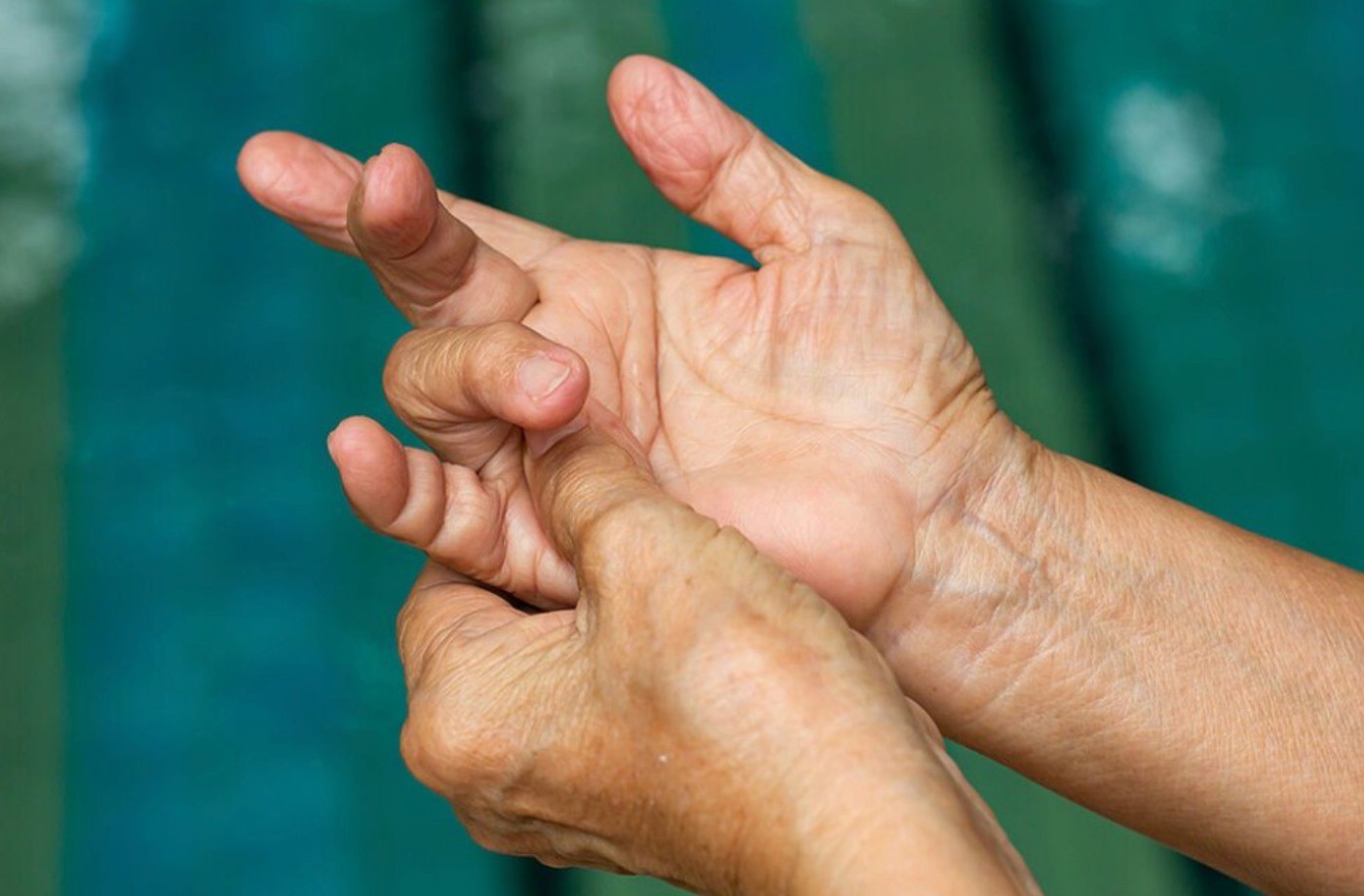
According to Dr. Wesselman, those more prone to stenosing tendinitis are people who have been diagnosed with some form of arthritis, a thyroid disorder, or diabetes, and also those who do manual work.
Peeling, redness, or pus-filled blisters
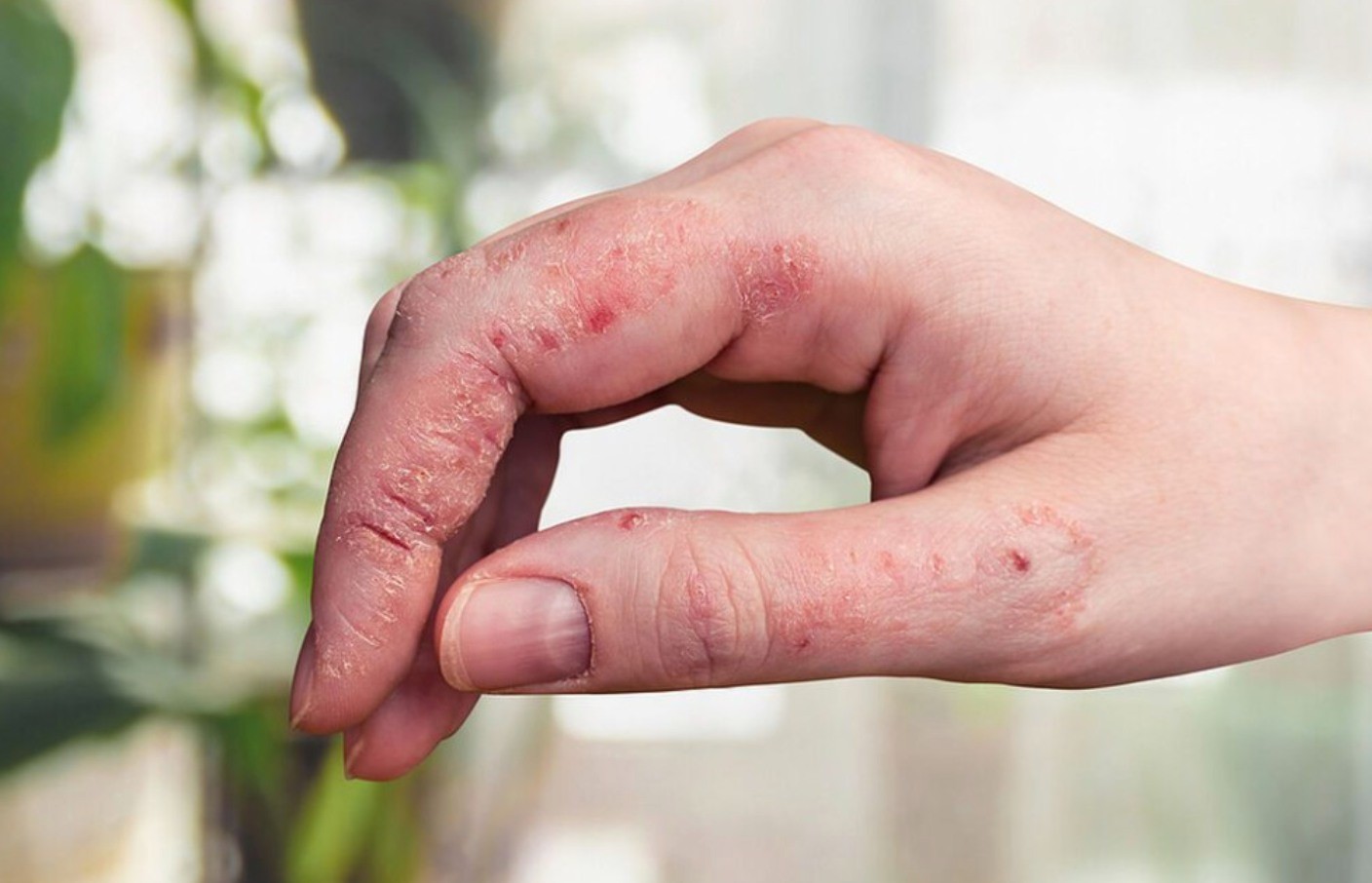
The occurrence of scaling and persistent peeling of the skin, especially if associated with redness or white pus-filled blisters on the hands, often indicates psoriasis, says Dr. de la Feld. She adds that other possible signs of psoriasis are changes to the nails, such as pitting or yellowing.
Paleness and bruising of the fingers
If the fingers lose color, i.e., become pale, and then, in response to cold temperatures or intense stress, turn bluish, Raynaud’s syndrome is almost always diagnosed. This syndrome does not pose any health risk and is the result of a temporary reduction in blood flow to the fingers of the hands or feet.
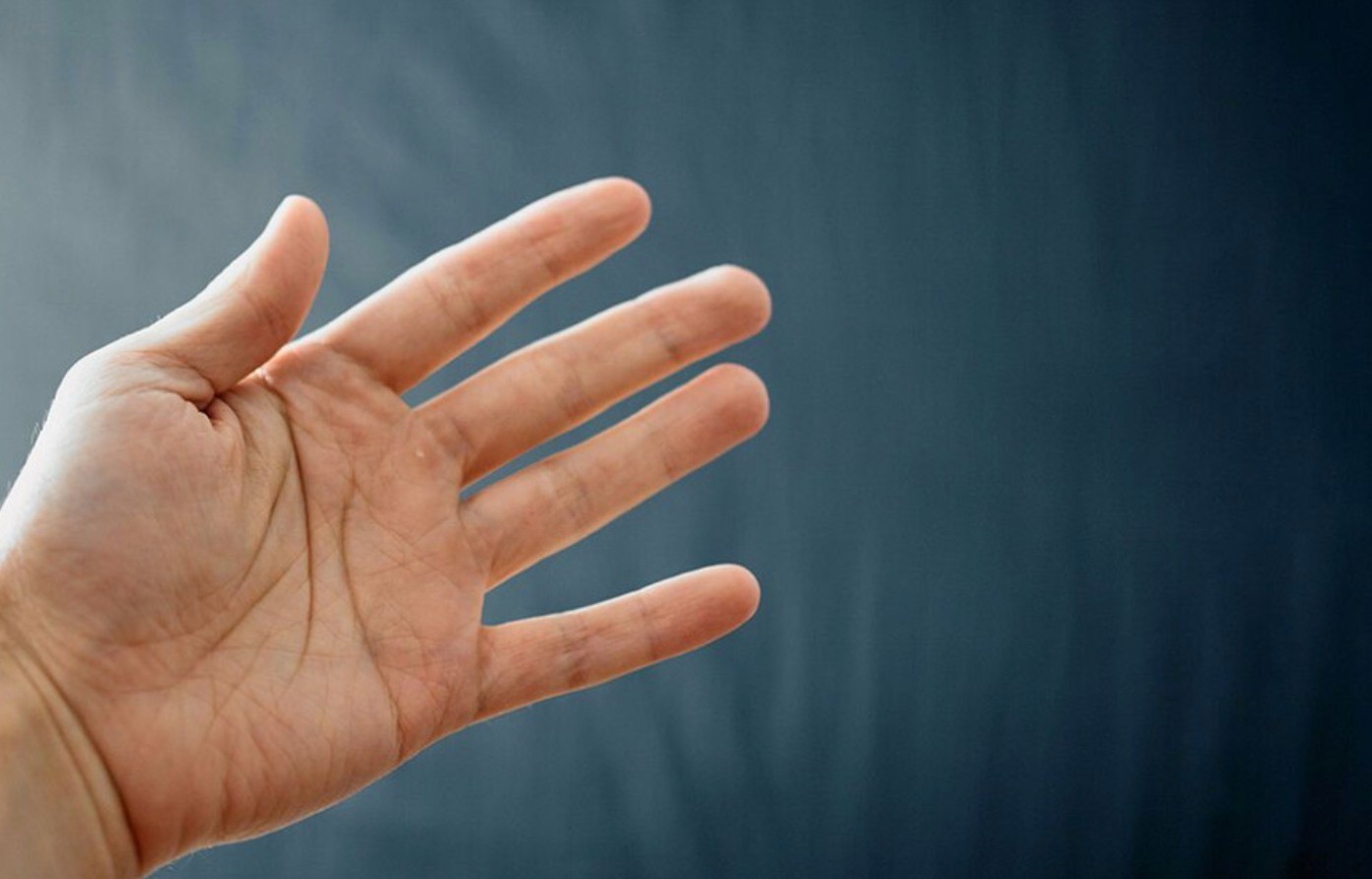
Besides the change in skin color, Raynaud’s syndrome is characterized by other symptoms, such as numbness, a local drop in temperature, and pain. As Dr. Weselman says, Raynaud’s syndrome occurs especially in young women.
Red or dark nodules on the fingertips
The so-called Osler’s nodes appear as painful red or black skin lesions on the fingertips and toes. In most cases they are caused by endocarditis, which is a bacterial infection of the heart valves, says cardiologist Anne Albers. She adds that endocarditis can also cause microbleeding under the skin of the palm, leading to brown or black spots on the skin.

Pain, stiffness and swelling of the finger joints.
Pain, inflammation and functional limitation of the fingers on the hands are, especially in women, symptoms indicative of inflammatory diseases such as rheumatoid arthritis, psoriatic arthritis, lupus, vasculitis (inflammation of the blood vessels), scleroderma (a connective tissue disease) or dermatomyositis (a disease of the skin and muscles).
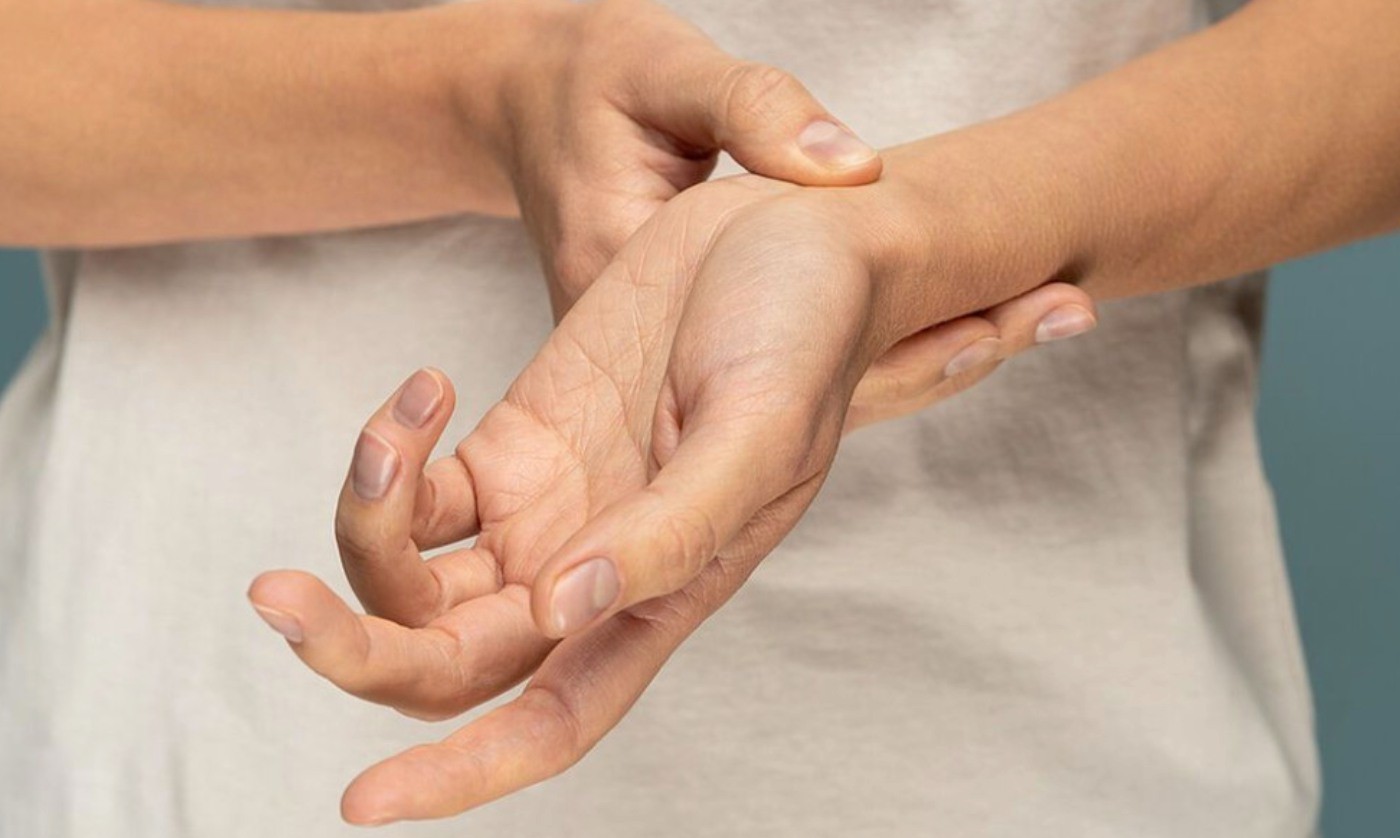
According to Dr. Wesselman, hand swelling can even signal inflammatory bowel disease, such as Crohn’s disease and ulcerative colitis.
Source: newsitamea.gr


