
Article content
A stroke is a leading cause of disability in adults and the fourth most common cause of death. Like a heart attack, a stroke is a critical condition, but it affects the brain. In this article we will focus on the warning signs preceding a stroke, types of strokes and prevention options.
Types of Brain Strokes
Ischemic stroke: An ischemic stroke is the most common type of stroke and is caused by narrowing or blockage of a vessel that supplies blood to the brain. The result is severe lack of blood supply to part of the brain and its subsequent damage.
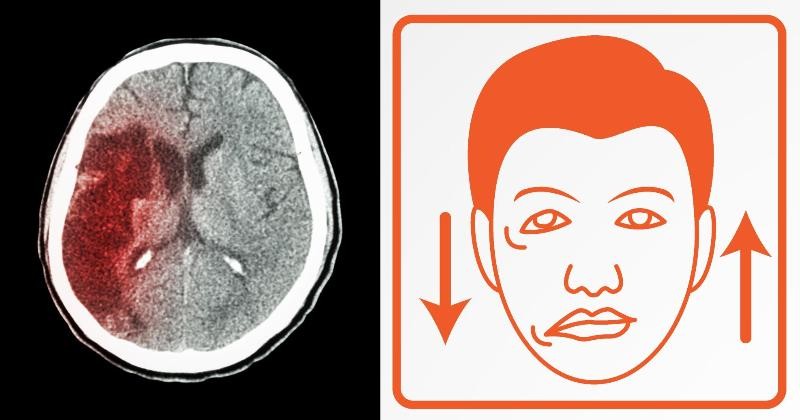
Hemorrhagic stroke: A hemorrhagic stroke is less common and is caused by a ruptured vessel and subsequent bleeding into the brain. Correct identification of symptoms is key to seeking medical help in time, which can minimize the risk of disability or death and improve prospects for recovery.
Warning Signs of Stroke
Stroke symptoms can vary depending on the type of stroke, the affected part of the brain and the extent of the damage. Most symptoms come on suddenly and may include:
- Numbness of the arm, leg or face, usually on one side only
- Difficulty walking, loss of balance and coordination
- Difficulty speaking and understanding others
Diagnostic Aids
One useful diagnostic aid is the F.A.S.T. method, which helps recognize stroke symptoms:
- Face (Face): Ask the person to smile and watch whether one side of the face is drooping.
- Arms (Arms): Ask the person to raise both arms and watch whether one arm drifts down.
- Speech (Speech): Ask the person to repeat a simple sentence and watch whether their speech is slurred or otherwise strange.
- Time (Time): If you notice any of these symptoms, call an ambulance immediately. Some types of treatment work only if they are administered within 3 to 4 hours from the onset of symptoms.
Other Symptoms
In addition to the symptoms listed above, others may occur:
- Problems with vision in one or both eyes
- Sudden severe headache with no apparent cause
- Dizziness
- Complete paralysis
Stroke Prevention
To prevent a stroke, it is important to control risk factors such as:
- Age over 55
- High blood pressure
- Smoking
- Diabetes
- Heart disease
- Blood disorders
- Family history
Healthy Lifestyle
To reduce the risk of stroke, a healthy and varied diet, regular physical activity and maintaining an appropriate body weight are key. Consumption of fruit, vegetables, nuts and seeds is recommended.
Differences between Stroke and Migraine
Recognizing the differences between transient ischemic attacks and migraine can be difficult:
- Stroke symptoms are sudden, whereas a migraine develops gradually and intensifies.
- Migraine may be accompanied by flashes of light or strange shapes, whereas a stroke involves loss of vision, hearing, sensation and strength in the limbs.
Conclusion
A stroke is a serious condition that requires a rapid response and medical help. If you notice any warning signs, do not wait and seek medical help immediately. Timely intervention can save lives and minimize the risk of long-term consequences.


