
Article content
Stroke is one of the most dangerous medical conditions that can affect anyone regardless of age. Fortunately, there are symptoms the body sends even before the stroke itself begins, and if we recognize them in time, we can avoid tragic consequences. Let’s pay attention to these signals and we may save our own life or that of someone close to us.
What is a stroke?
Stroke, also known as a cerebrovascular accident (CVA), is one of the leading causes of death worldwide. It occurs as a result of a disruption in the supply of oxygen and nutrients to the brain, which leads to irreversible damage to brain cells. Early recognition of warning signs, however, can significantly increase the chances of survival and recovery.
Types of stroke
There are two main types of stroke, which differ in their mechanism of occurrence:
-
Ischemic stroke
This type of stroke is the most common and accounts for up to 85% of all cases. It occurs when an artery supplying blood to the brain becomes blocked, causing a lack of oxygen and nutrients. This can lead to the gradual death of brain cells. -
Hemorrhagic stroke
This type of stroke is less common but often more severe. It occurs when an artery in the brain ruptures, causing bleeding. As a result of the bleeding, pressure inside the skull increases, which can cause serious damage to brain structures.
Warning signs of a stroke
Although a stroke often comes on suddenly, there are certain warning signs that can appear as early as a month before its onset. If we notice these signals in time, we can prevent serious complications and seek medical help promptly. The most common symptoms include:
- Breathing problems: Breathing difficulties, sudden shortness of breath, or labored breathing can be a warning sign.
- Severe headache: If you suffer from headaches that are more intense than usual and do not subside, it may be a sign of an impending stroke.
- Hiccups: Frequent hiccuping that lasts for a long time can be a warning sign, especially if accompanied by other symptoms.
- Behavioral changes: Sudden mood changes, confusion, or problems with decision-making can be signs of brain problems.
- Hallucinations: Seeing or hearing things that do not exist can be a warning sign of an impending stroke.
- Loss of consciousness: Sudden fainting or loss of consciousness are very serious symptoms and require immediate medical attention.
- Seizures: If someone suddenly experiences seizures without a prior history of epilepsy, it may be a sign of an impending stroke.
- Dizziness and weakness: Sudden feelings of weakness, loss of balance, or dizziness are symptoms that cannot be ignored.
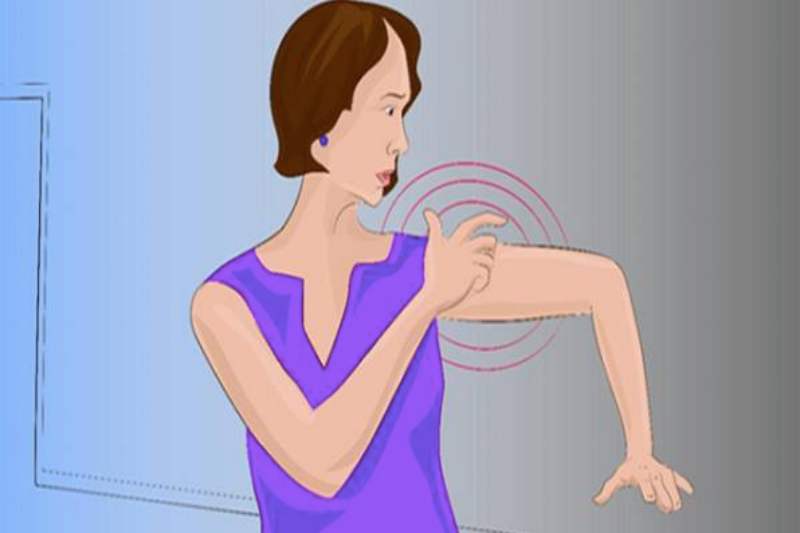
- Hemiplegia: Sudden loss of the ability to move one side of the body (for example an arm or a leg) is a classic sign of a stroke.
Prevention is key
If you notice any of these symptoms, it is important to seek medical help immediately. The sooner a stroke is diagnosed, the greater the chances of successful treatment and minimizing long-term consequences.
Remember that a healthy lifestyle, blood pressure control, regular exercise, and a balanced diet can significantly reduce the risk of stroke.


