Cultivation

This is what you should do with geraniums in the autumn! Attention, many people don't know about this! <p>Geraniums are among the most popular flowers on balconies and in gardens, but with the arrival of autumn the question arises of how to successfully overwinter them. Since the prices of geraniums are rising year after year, it's good to know how to overwinter these beautiful plants and save money at the same time. There are three proven methods to keep geraniums through the winter, but each of them has its advantages and disadvantages.</p>
<h3>1) Overwintering the entire plant</h3>
<p>One option is to overwinter geraniums as whole plants. This method requires a bright room with a temperature between 6 and 8 °C and minimal watering. The soil should not be completely dry, but certainly not waterlogged. However, this method is not without risk – many plants may not survive the winter. If you do have suitable conditions, it's worth trying this method at least once.</p>
<h3>2) Harvesting and repotting</h3>
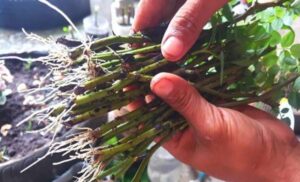
<p>Another option is to carefully pull the geraniums out of the ground, trim their roots and shoots, and then plant up to 15 stems together in one larger pot. This pot can even be stored in a dark room, but you must ensure that the room is not exposed to frost. In the spring you can then replant the stems individually into the ground. This method allows you to keep more plants, but it also requires more work and care.</p>
<h3>3) Cutting and rooting shoots</h3>
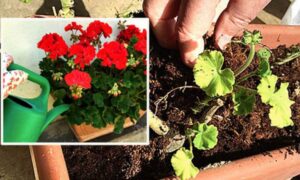
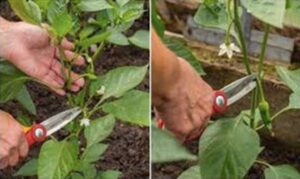
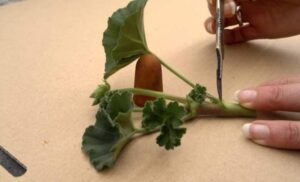
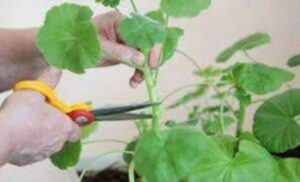
<p>The third method is taking cuttings. In autumn, during September to October, cut shoots from the flowering geranium stems and plant them into small pots or sour cream cups. Place them in a bright and warm spot, for example on a windowsill. By January they should have rooted and strengthened, and in spring they may even start to bloom. This method is popular for its simplicity and effectiveness, but you must take into account that cuttings require careful care in order to survive the winter.</p>
<h3>Disadvantages of each method</h3>
<p>Each of these methods has its drawbacks. With overwintering the entire plant there is a risk that many geraniums will not survive, and those that do may be too tired in the spring to flower. The plants often only develop by mid-summer. With the second method you need to consider that repotting and harvesting stems can be labor-intensive and it's not guaranteed that all the plants will survive the winter. With cuttings, increased attention must be paid to the care of the rooted shoots, otherwise they could damage the windowsill or other places where they are stored.</p>
<p>If you choose one of these methods, you'll have beautiful and healthy geraniums again in the spring that will delight you with their abundant blooms. And most importantly – your wallet will hardly notice it!</p>

This is what you should do with geraniums in the autumn! Attention, many people don't know about this!

Geraniums are among the most popular flowers on balconies and in gardens, but with the arrival of autumn the question arises of how to successfully overwinter them. Since the prices of geraniums are rising year after year, it's good to know how to overwinter these beautiful plants and save money at the same time. There are three proven methods to keep geraniums through the winter, but each of them has its advantages and disadvantages.

1) Overwintering the entire plant

One option is to overwinter geraniums as whole plants. This method requires a bright room with a temperature between 6 and 8 °C and minimal watering. The soil should not be completely dry, but certainly not waterlogged. However, this method is not without risk – many plants may not survive the winter. If you do have suitable conditions, it's worth trying this method at least once.

2) Harvesting and repotting

Another option is to carefully pull the geraniums out of the ground, trim their roots and shoots, and then plant up to 15 stems together in one larger pot. This pot can even be stored in a dark room, but you must ensure that the room is not exposed to frost. In the spring you can then replant the stems individually into the ground. This method allows you to keep more plants, but it also requires more work and care.

3) Cutting and rooting shoots

The third method is taking cuttings. In autumn, during September to October, cut shoots from the flowering geranium stems and plant them into small pots or sour cream cups. Place them in a bright and warm spot, for example on a windowsill. By January they should have rooted and strengthened, and in spring they may even start to bloom. This method is popular for its simplicity and effectiveness, but you must take into account that cuttings require careful care in order to survive the winter.

Disadvantages of each method

Each of these methods has its drawbacks. With overwintering the entire plant there is a risk that many geraniums will not survive, and those that do may be too tired in the spring to flower. The plants often only develop by mid-summer. With the second method you need to consider that repotting and harvesting stems can be labor-intensive and it's not guaranteed that all the plants will survive the winter. With cuttings, increased attention must be paid to the care of the rooted shoots, otherwise they could damage the windowsill or other places where they are stored.

If you choose one of these methods, you'll have beautiful and healthy geraniums again in the spring that will delight you with their abundant blooms. And most importantly – your wallet will hardly notice it!

22. 12. 2025 Jan
0
(0)
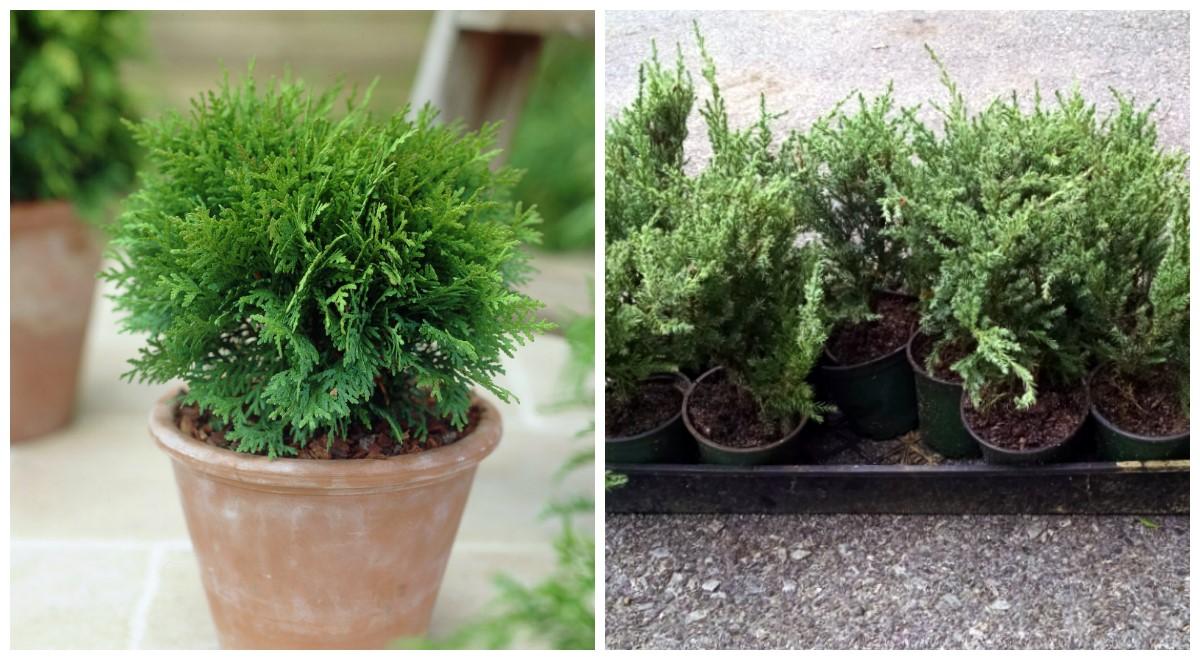
Great trick for gardeners: How to easily propagate thuja <p>Propagating thuja from branches is a great way to easily create new plants that will take root well and look like healthy, beautiful conifers. This simple method will show you how to turn one branch into a seedling that will grow like a fairy tale.</p>
<h3><strong>When to cut a branch for planting</strong></h3>
<p>One of the key questions when propagating thuja is when it is best to take cuttings. Different gardeners have different opinions: some recommend February, others prefer March. In general, cuttings can be taken all year round, but the best time is in spring or autumn. Avoid summer, when the plant is actively growing and producing new shoots.</p>
<h3><strong>How to cut a branch for planting</strong></h3>
<ol> <li>
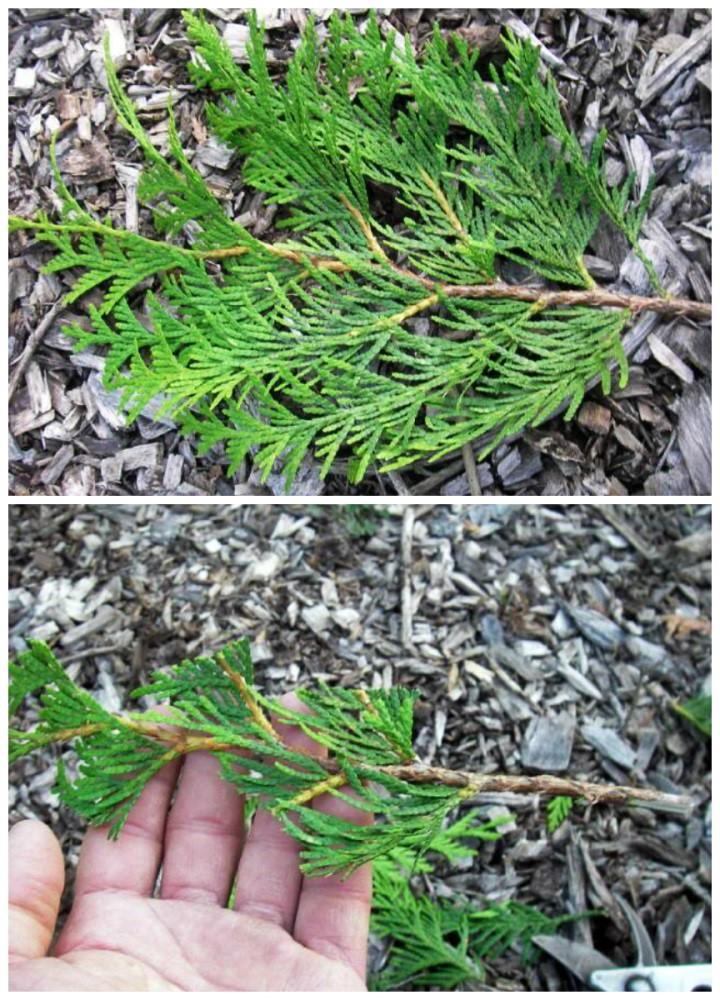
<p><strong>Choose the right tree:</strong> Select a large, healthy thuja tree. Focus on a strong branch in the upper part of the tree that you will break off. It is important that the branch comes from the top, because cuttings from side branches may have a worse shape and proportions.</p>
</li> <li>
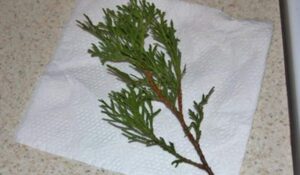
<p><strong>Breaking off the branch:</strong> The branch should be about 10–15 cm long. If the branch is very thick, you can cut it with garden shears. Try to break it off in one smooth motion to avoid damage.</p>
</li>
</ol>
<p><img class="size-full wp-image-61135 aligncenter" src="https://irecept.cz/wp-content/uploads/2024/08/tuja_tuia7.jpg" alt="" width="1200" height="660" /></p>
<h3><strong>How long you can store the branch before planting</strong></h3>
<p>Ideally, the branch should be planted immediately after cutting. If you cannot plant it right away, wrap it in a damp cloth and place it in a cool spot until you can get to it.</p>
<p><img class="size-full wp-image-61131 aligncenter" src="https://irecept.cz/wp-content/uploads/2024/08/tuja_tuia3.jpg" alt="" width="720" height="1000" /></p>
<h3><strong>Preparing the cutting</strong></h3>
<ol> <li>
<p><strong>Treating with rooting hormone:</strong> The cutting must be treated with rooting hormone before planting. A product called Incit is available in garden stores. Moisten the thuja branch, dip it into the rooting hormone powder, and gently shake off the excess.</p>
</li> <li>
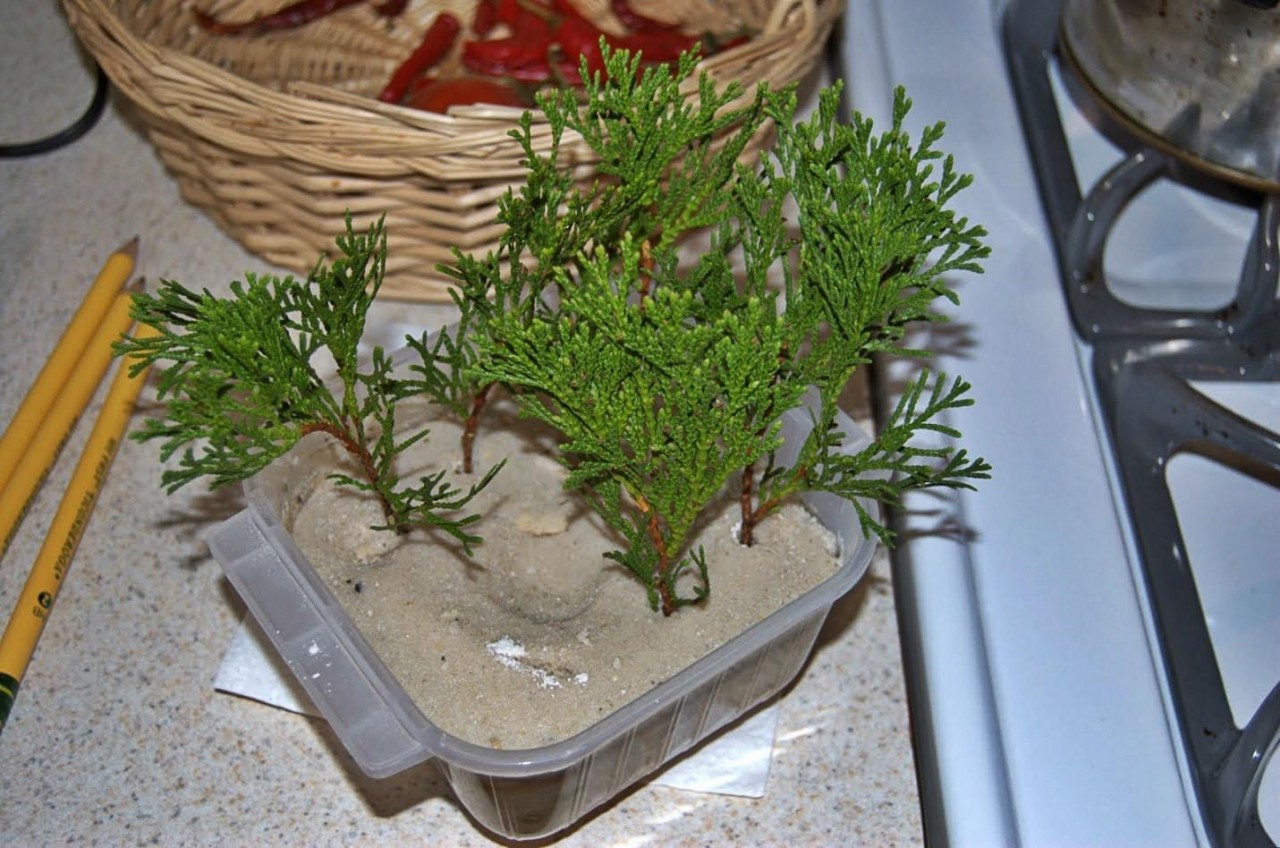
<p><strong>Planting:</strong> Choose a flowerpot or plastic box with several holes in the bottom so the soil can drain well. Prepare a mixture of peat and sand and make a small hole in it to insert the cutting. It should be planted about 2 cm deep.</p>
</li> <li>
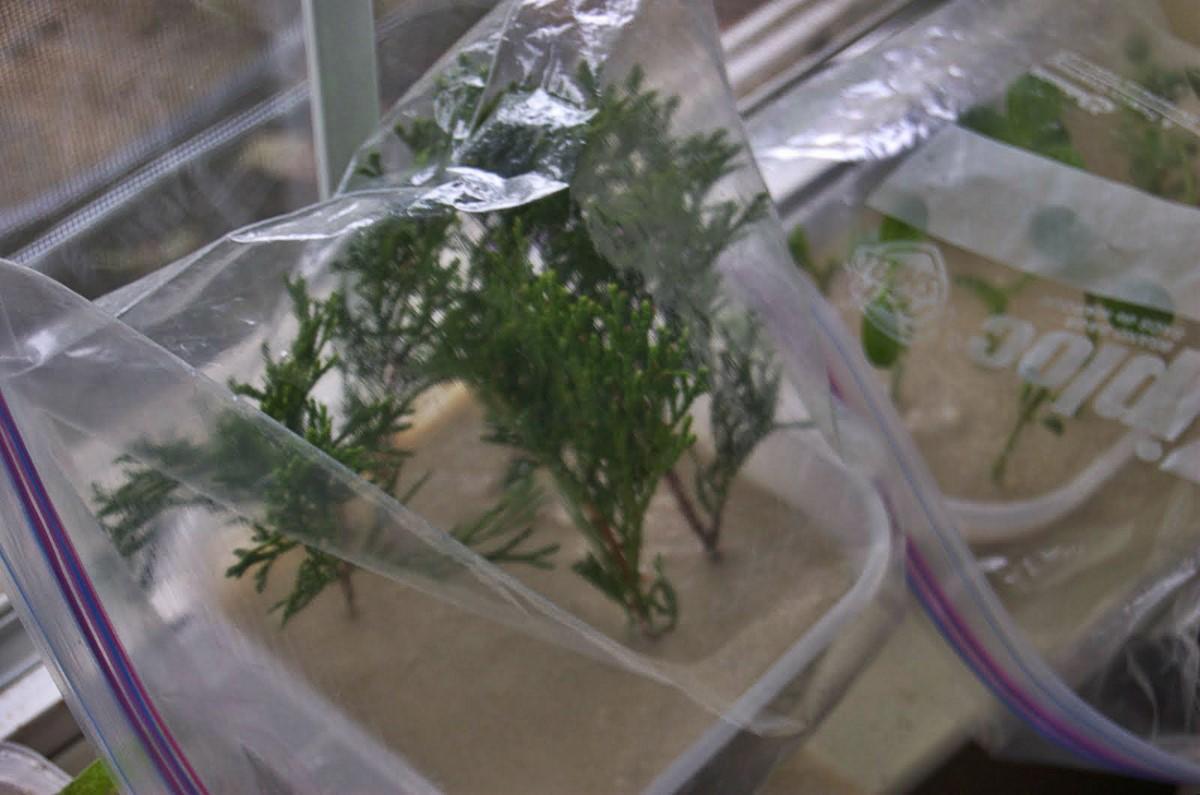
<p><strong>Caring for the cutting:</strong> Cover the pot with a jar or a plastic bag to maintain humidity. Place it in a warm, bright spot. Keep the soil moist but not waterlogged.</p>
</li>
</ol>
<p><img class="size-full wp-image-61132 aligncenter" src="https://irecept.cz/wp-content/uploads/2024/08/tuja_tuia4.jpg" alt="" width="1280" height="848" /></p>
<h3><strong>Transplanting and growth</strong></h3>
<ul> <li>
<p><strong>Watering:</strong> Once the top layer of soil dries out, water it. Make sure the soil is not waterlogged, as excessive moisture can be harmful.</p>
</li> <li>
<p><strong>Transplanting:</strong> After approximately two weeks, move the cuttings into individual pots so they have enough room for further growth. It is ideal to grow thuja for 1–2 years in a warm place, for example in an apartment or a polytunnel, before planting them in their final spot in the garden.</p>
</li>
</ul>
<p><img class="size-full wp-image-61133 aligncenter" src="https://irecept.cz/wp-content/uploads/2024/08/tuja_tuia5.jpg" alt="" width="1200" height="795" /></p>
<p><strong>Conclusion</strong></p>
<p>Propagating thuja from branches is a simple and effective way to enrich your garden with new beautiful plants. Follow these steps and soon you will have beautiful, healthy thuja that will become the ornament of your garden or terrace. Enjoy the satisfaction of your own work and look forward to the results your gardening will bring!</p>
<p> </p>

Great trick for gardeners: How to easily propagate thuja

Propagating thuja from branches is a great way to easily create new plants that will take root well and look like healthy, beautiful conifers. This simple method will show you how to turn one branch into a seedling that will grow like a fairy tale.

When to cut a branch for planting

One of the key questions when propagating thuja is when it is best to take cuttings. Different gardeners have different opinions: some recommend February, others prefer March. In general, cuttings can be taken all year round, but the best time is in spring or autumn. Avoid summer, when the plant is actively growing and producing new shoots.

How to cut a branch for planting

  1. Choose the right tree: Select a large, healthy thuja tree. Focus on a strong branch in the upper part of the tree that you will break off. It is important that the branch comes from the top, because cuttings from side branches may have a worse shape and proportions.

  2. Breaking off the branch: The branch should be about 10–15 cm long. If the branch is very thick, you can cut it with garden shears. Try to break it off in one smooth motion to avoid damage.

How long you can store the branch before planting

Ideally, the branch should be planted immediately after cutting. If you cannot plant it right away, wrap it in a damp cloth and place it in a cool spot until you can get to it.

Preparing the cutting

  1. Treating with rooting hormone: The cutting must be treated with rooting hormone before planting. A product called Incit is available in garden stores. Moisten the thuja branch, dip it into the rooting hormone powder, and gently shake off the excess.

  2. Planting: Choose a flowerpot or plastic box with several holes in the bottom so the soil can drain well. Prepare a mixture of peat and sand and make a small hole in it to insert the cutting. It should be planted about 2 cm deep.

  3. Caring for the cutting: Cover the pot with a jar or a plastic bag to maintain humidity. Place it in a warm, bright spot. Keep the soil moist but not waterlogged.

Transplanting and growth

  • Watering: Once the top layer of soil dries out, water it. Make sure the soil is not waterlogged, as excessive moisture can be harmful.

  • Transplanting: After approximately two weeks, move the cuttings into individual pots so they have enough room for further growth. It is ideal to grow thuja for 1–2 years in a warm place, for example in an apartment or a polytunnel, before planting them in their final spot in the garden.

Conclusion

Propagating thuja from branches is a simple and effective way to enrich your garden with new beautiful plants. Follow these steps and soon you will have beautiful, healthy thuja that will become the ornament of your garden or terrace. Enjoy the satisfaction of your own work and look forward to the results your gardening will bring!


22. 12. 2025 Jan
0
(0)