Article content
Summer, along with the sun and warm weather, brings a lot of fresh and delicious fruit and vegetables into our kitchens. Unfortunately, many foods don’t stay fresh for long and the great taste disappears.
Freshness
Useful tips that will help you enjoy excellent fresh fruit, cheeses and other treats for a much longer time than you are usually used to.
The way you store a food greatly affects its freshness.

Berries + vinegar + water
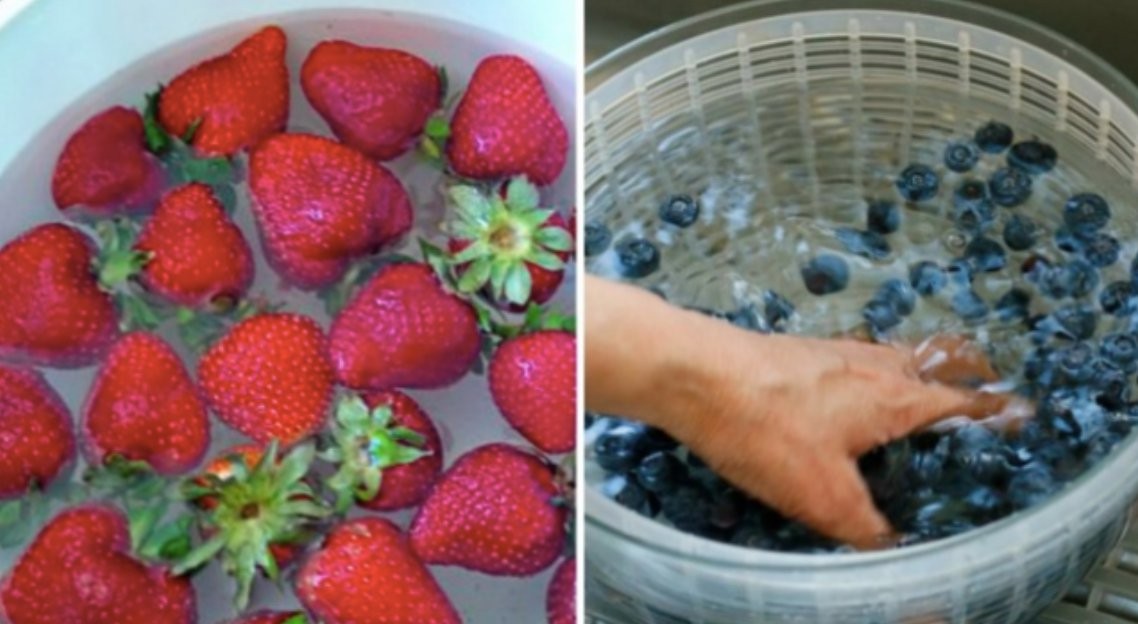
Make a mixture of apple cider vinegar and water in a 1:10 ratio. Rinse the berries in this solution, place them in a bowl with paper and then into the refrigerator. The mixture is very weak, so the fruits should not taste of vinegar.
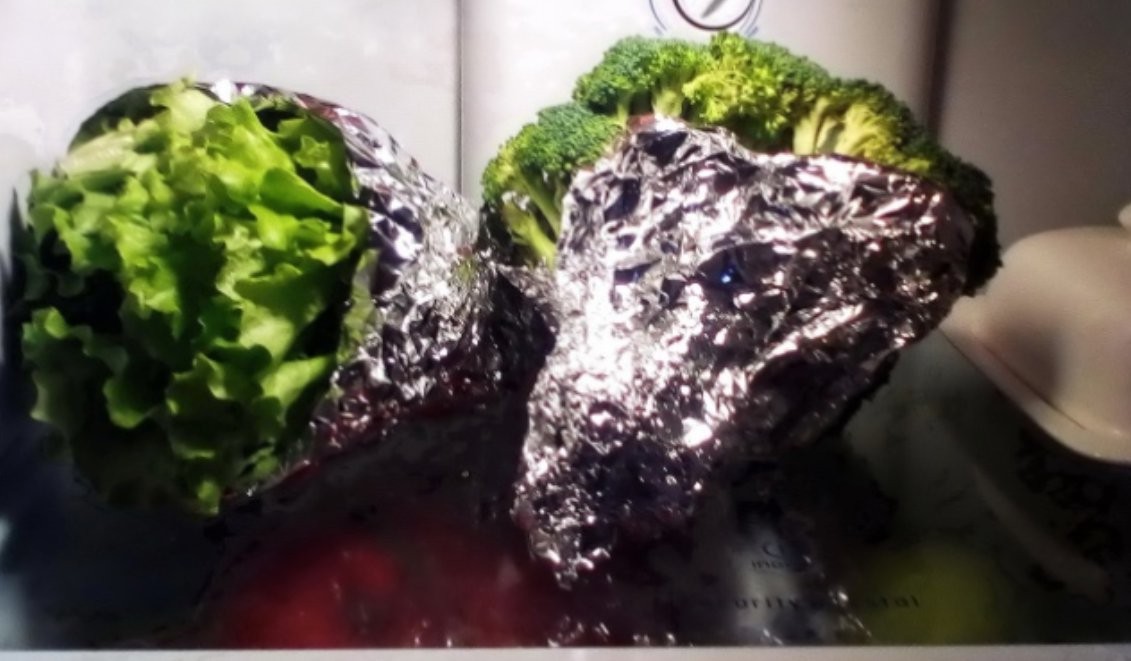
Celery, broccoli, lettuce + aluminum foil
This is a very simple solution: completely wrap broccoli, celery or lettuce in aluminum foil. Only this way will they stay fresh and crunchy for 2-3 weeks, or longer.
Cheese + parchment paper
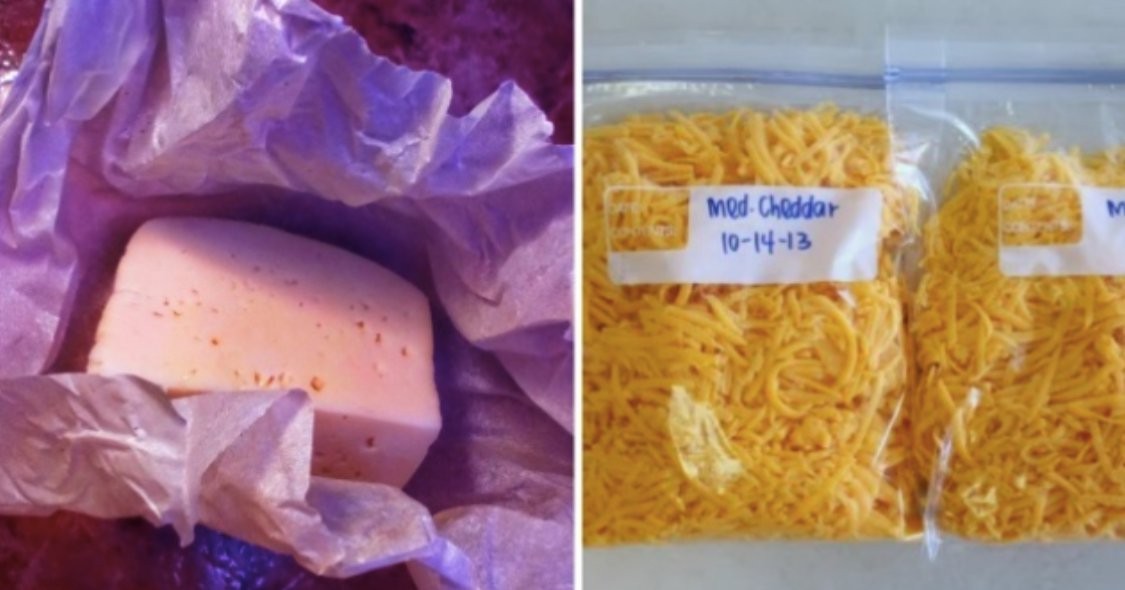
Cheese will last much longer if you wrap it in parchment paper and put it into a ceramic or glass bowl. You can also place the cheese in a plastic container, but leave it slightly open. Keep the cheese in the warmer part of the refrigerator.
Apricots + separation
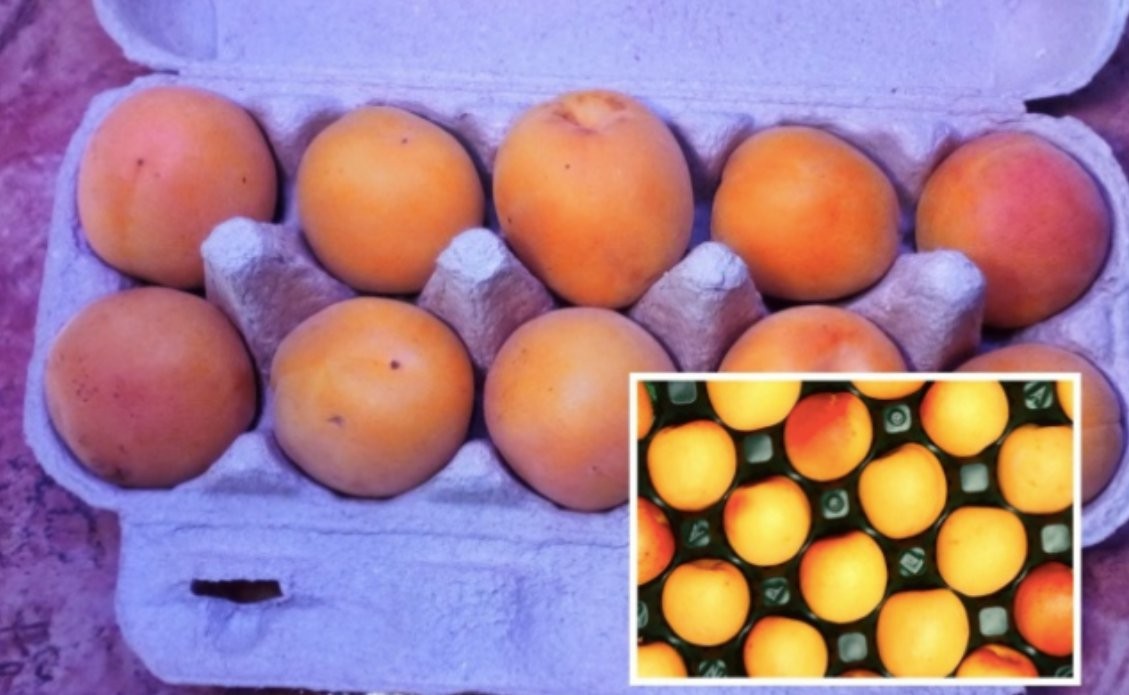
It is best to store slightly underripe apricots that have no spots or other defects. If you have many of them, put them in a box and wrap them in parchment paper. You can also use a clean container with compartments, like an egg tray. Apricots ripen at a temperature of 10-15°C. Ripe specimens should be stored in the refrigerator in a paper bag.
Cottage cheese + sugar/salt
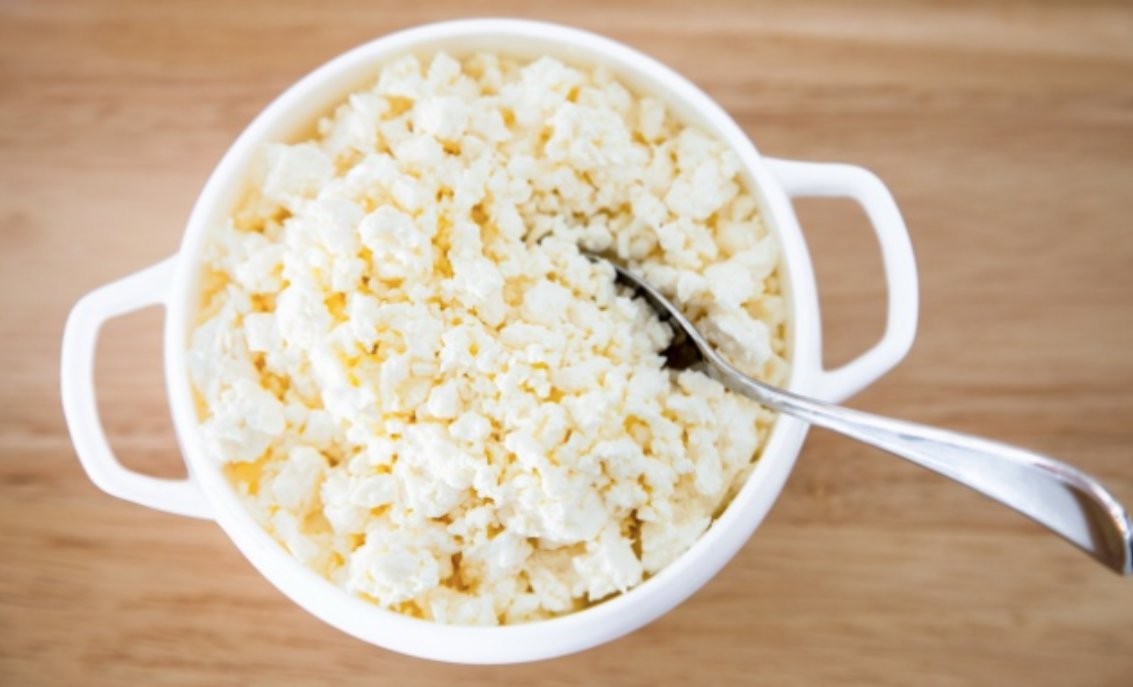
Place the opened package of cottage cheese into a glass or enamel bowl with a lid. Before storing in the refrigerator, put 2-3 sugar cubes on top. You can also preserve the product without refrigeration: pour a layer of salt into a sterilized bowl, place the cottage cheese on this layer, cover with a cloth and something heavy. By the way, low-fat cottage cheese lasts longer.
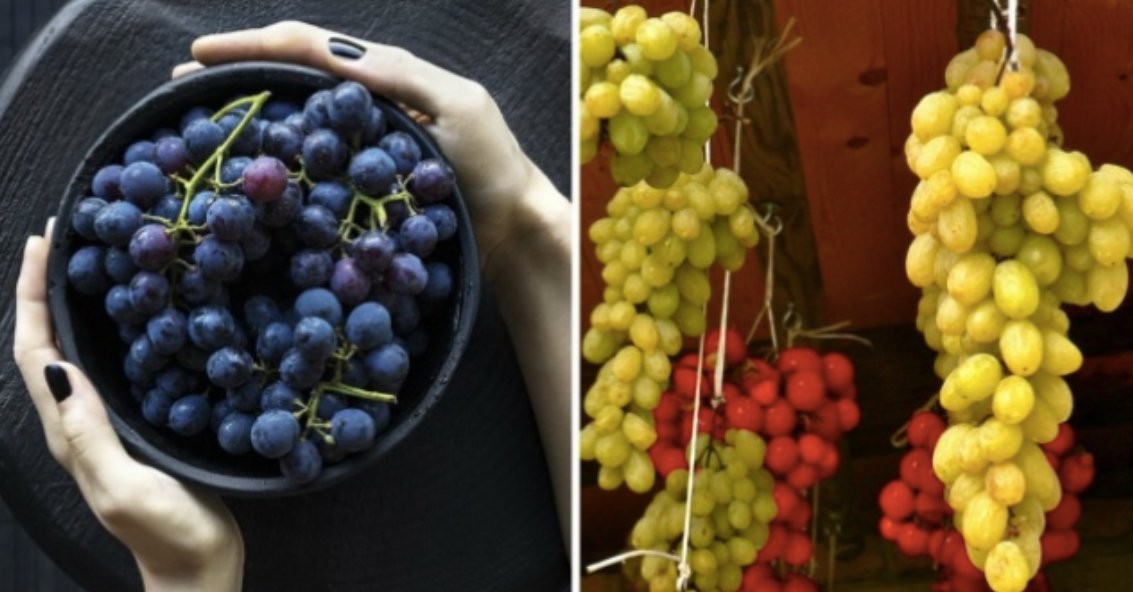
Grapes + rope
The best place to store grapes in the fridge is the back wall. Choose late varieties and keep the grapes so that they touch each other as little as possible. You can store them for a long time if the grapes are hung in a dry, cool, dark and airy room. Gardeners keep grapes longer by stopping watering them 1.5 months before harvest.
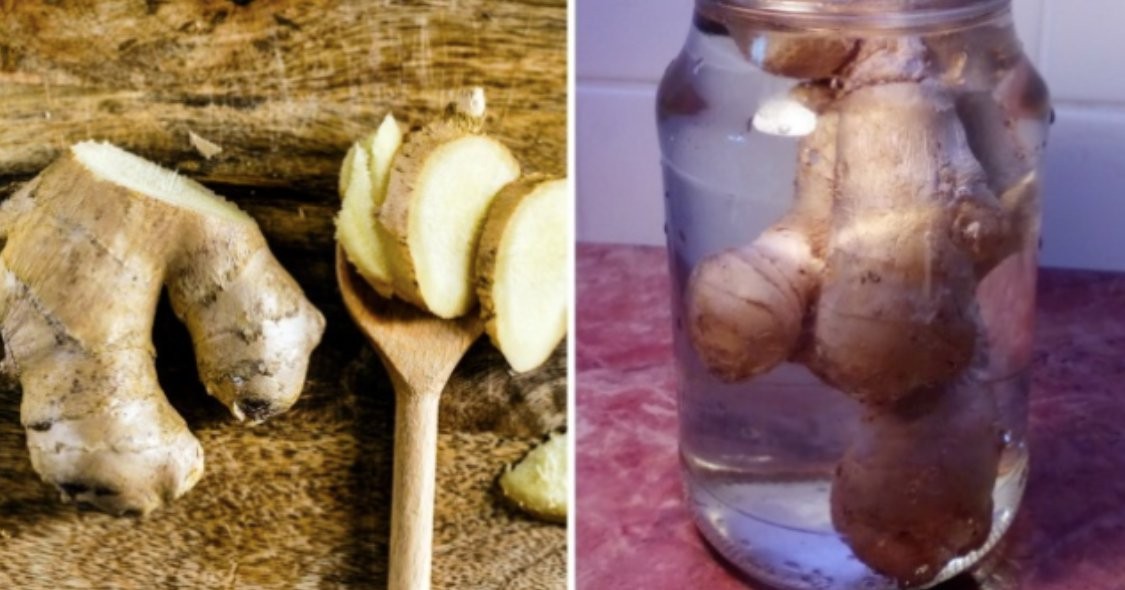
Ginger + boiling water/parchment paper
If you don’t care much about the health properties of ginger but are interested in its taste, store it in the freezer. However, if you want it to stay fresh for a long time, dry it a little in the sun, then wrap it in parchment paper and place it in a dark cool place. Another method is to put it in boiling water and place it in the refrigerator.
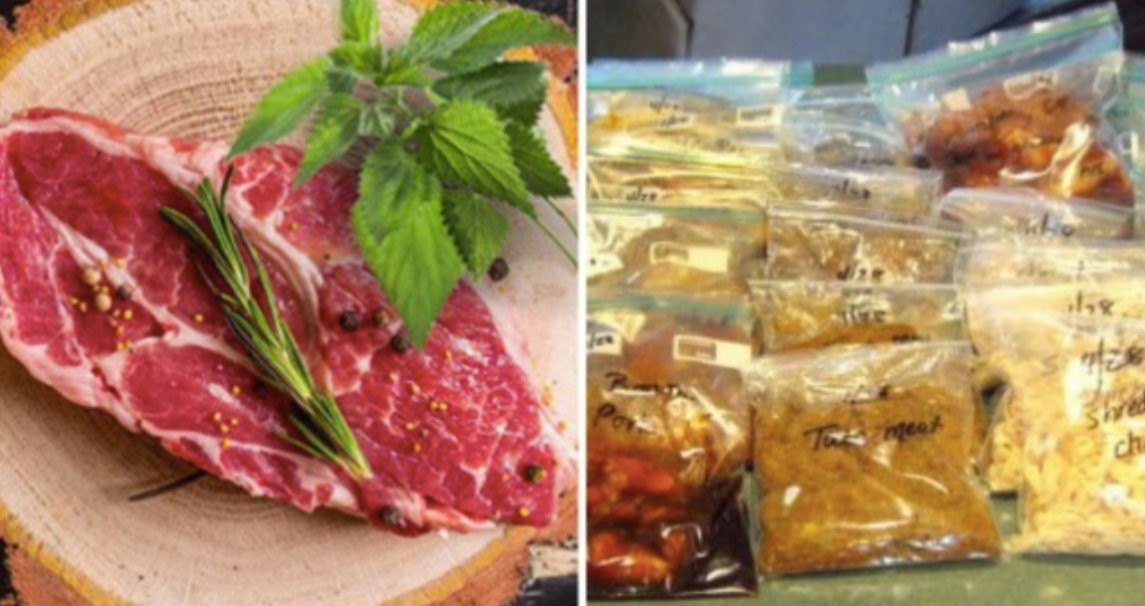
Meat + nettles + marinades
You can store fresh meat in the refrigerator for 4-6 days. For this, add a few nettle leaves, wrap the meat in a cloth soaked in vinegar and place it in a pan or wooden box. Close the lid tightly and bury the box 20 centimeters in the ground. Rinse the meat with water before cooking.
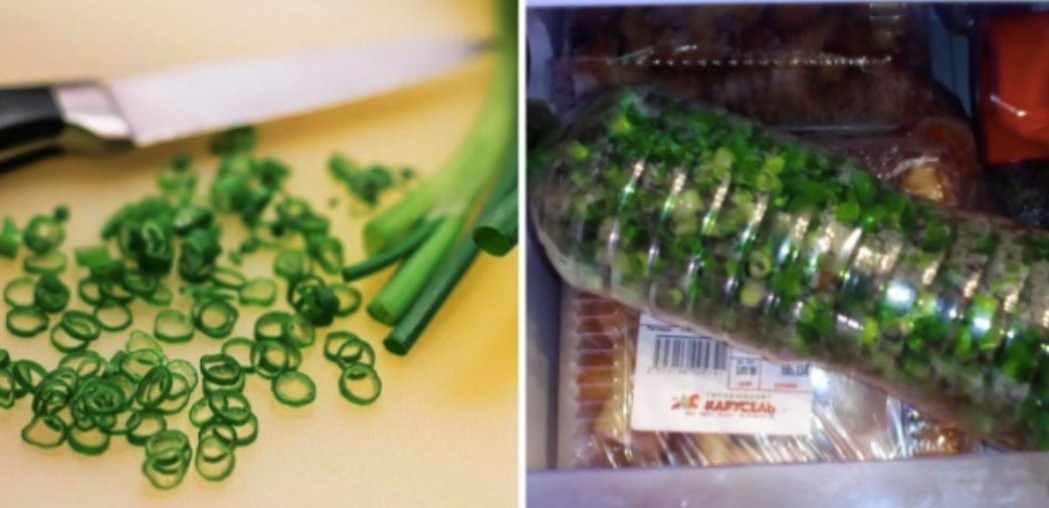
Spring onions + bottle + freezer
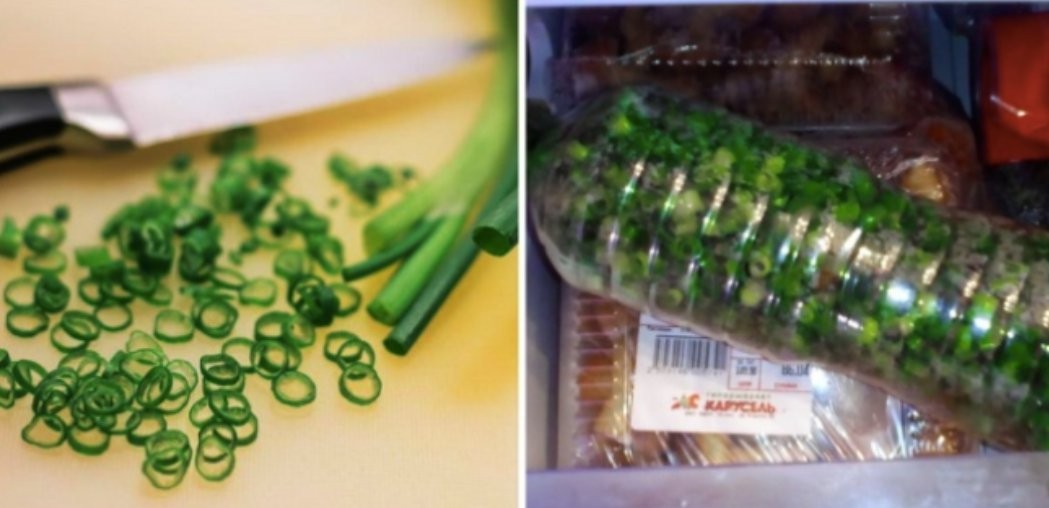
A simple way to freeze spring onions is to chop them into pieces and put them into a plastic bottle. However, dry them slightly before placing them in the freezer. If you do it correctly, you can store them until winter.
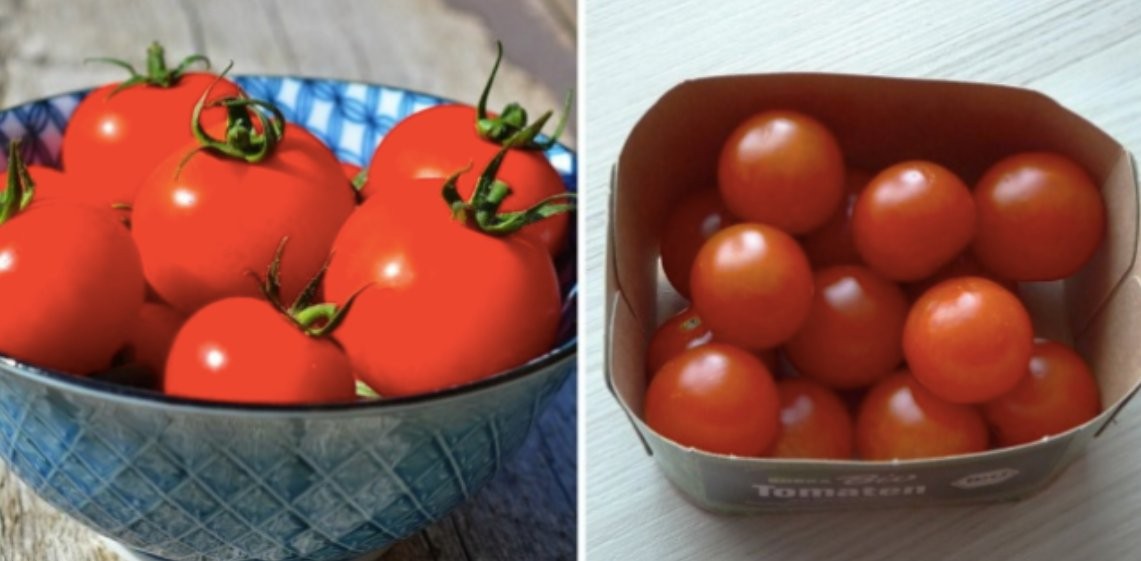
Tomatoes + stems up/down
Let unripe tomatoes sit with their stems facing down in a paper bag, or on a single layer of parchment paper in a box stored in a cool place until they ripen. If there is an orchard nearby, ripening will speed up. Ripe tomatoes should be stored at room temperature with their stems facing up, preferably without the tomatoes touching each other.
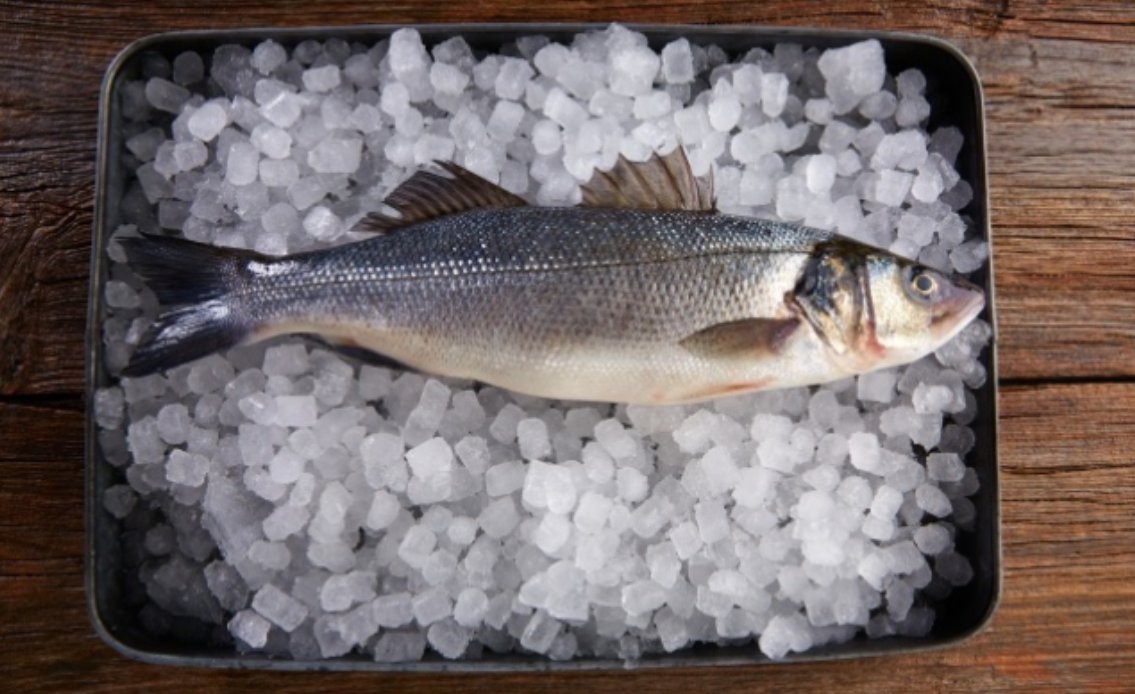
Fish + ice
An important condition is proper handling after catching fish. You should not transport them in a plastic bag if they are still alive. Average refrigerators cannot ensure the correct temperature for storing fresh fish, but if you put them in the fridge you can extend their shelf life by 2-3 days.
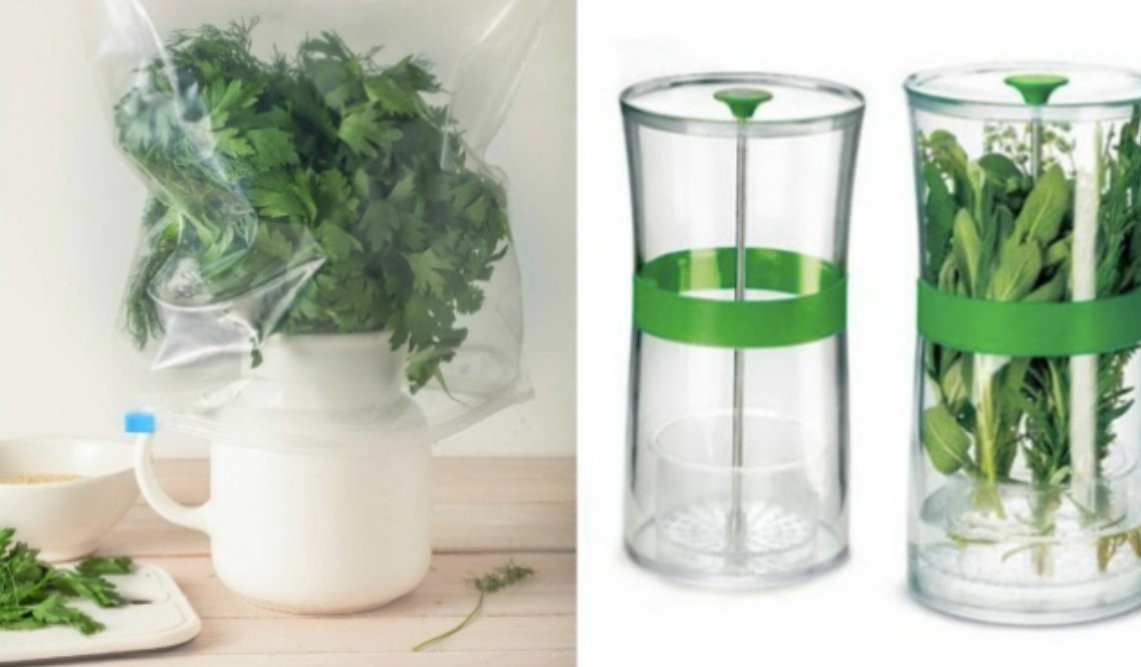
Leafy greens/Herbs + water + plastic bag
You can easily store fresh vegetables in a special device, but you can also simply store herbs or leafy greens by placing their stems in a bowl of water and covering them with a plastic bag. Then place them in a cool place.
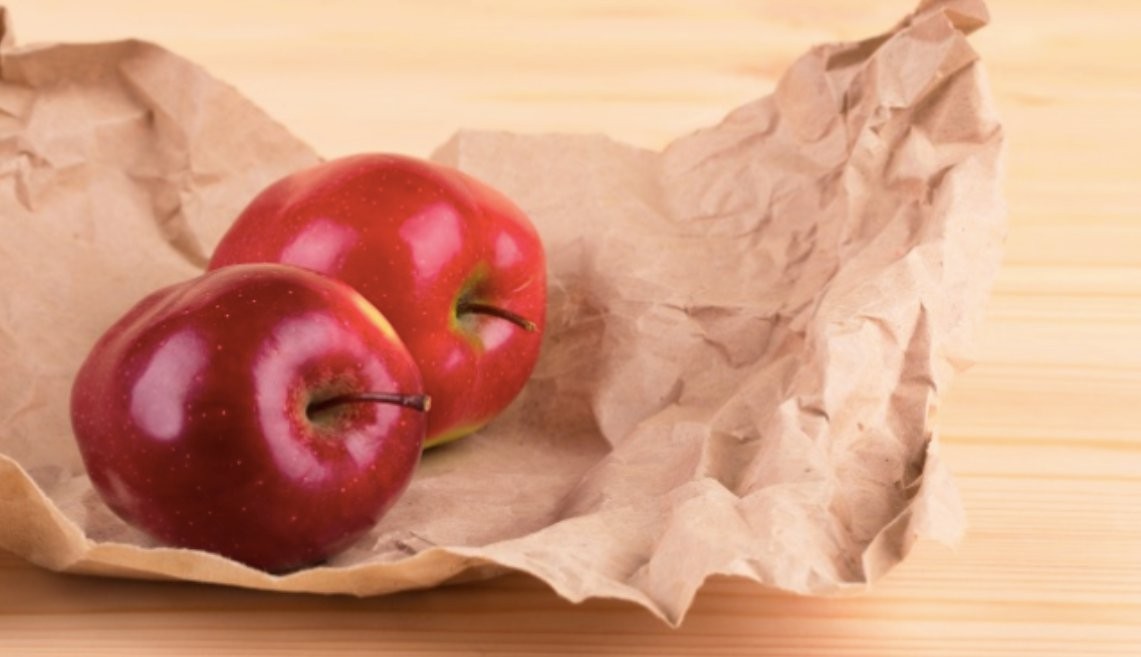
Apples + paper + drawer
Send apples into “quarantine” in a cool place and get rid of damaged fruit after 2 weeks. Carefully wrap good apples in paper. If you have many apples, you can cover each layer of apples with a layer of paper. Store them in a dark cool corner as far away from potatoes as possible.
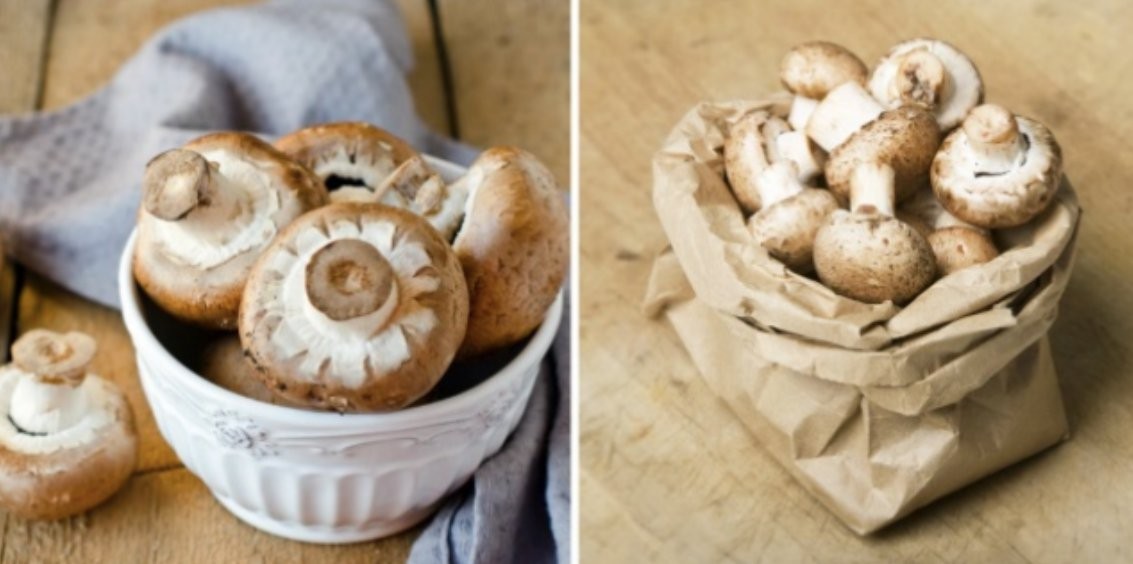
Mushrooms + box/bowl/paper bag
Young mushrooms are best. Clean them of dirt and rinse quickly, because they simply absorb water. Alternatively, place them in a bowl of salted water to get rid of insects. Put them on a paper towel and cut off damaged areas. Dry the mushrooms a little and store them in the refrigerator in a paper bag, in a wooden box, or in a bowl with napkins.
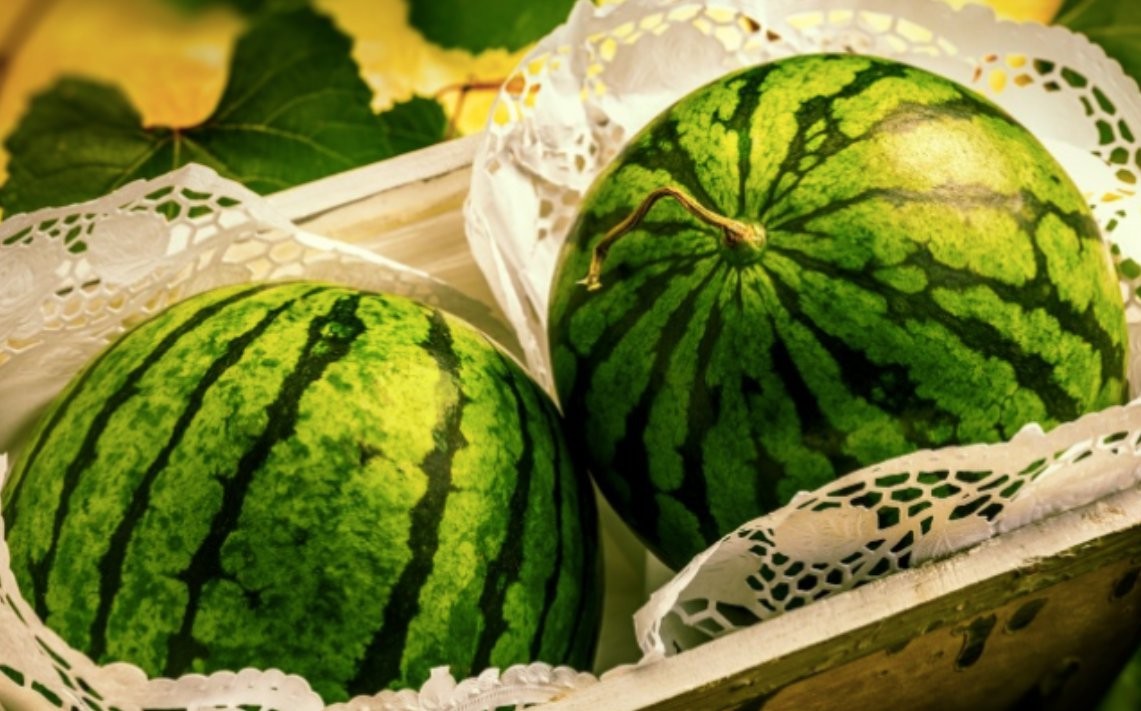
Watermelon + net/clay/moss/straw
Melons are best stored in a cellar at a temperature of about 2°C. For longer preservation, wrap them in cloth and hang them in a net, or place them on a shelf that is additionally packed with straw. You can also cover them with soil or wax.
Butter + oven
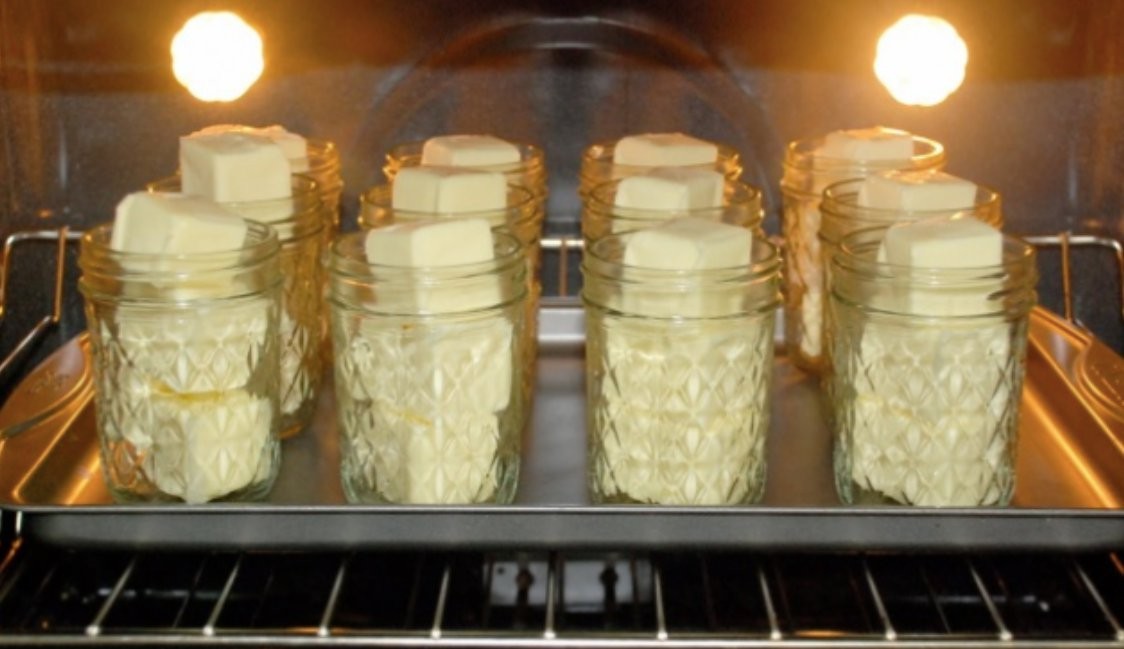
This age-old method allows butter to be stored for 1-3 years. Place sterilized jars on a baking sheet and put butter into them. Bake the butter in the oven at 110°C for 15-20 minutes. Then add more butter to the jars, seal the containers with lids and place them in the oven for another 45 minutes. Now your butter is ready! Cool it and store it on shelves.