Article content
Finally we have spring. After a long and frosty winter the first sun rays have peeked out at us and we can’t wait to start working in the garden. To ensure your garden gives you only joy and no stress this summer, we have several interesting tricks that you might like and might want to try.
Easing seed sowing
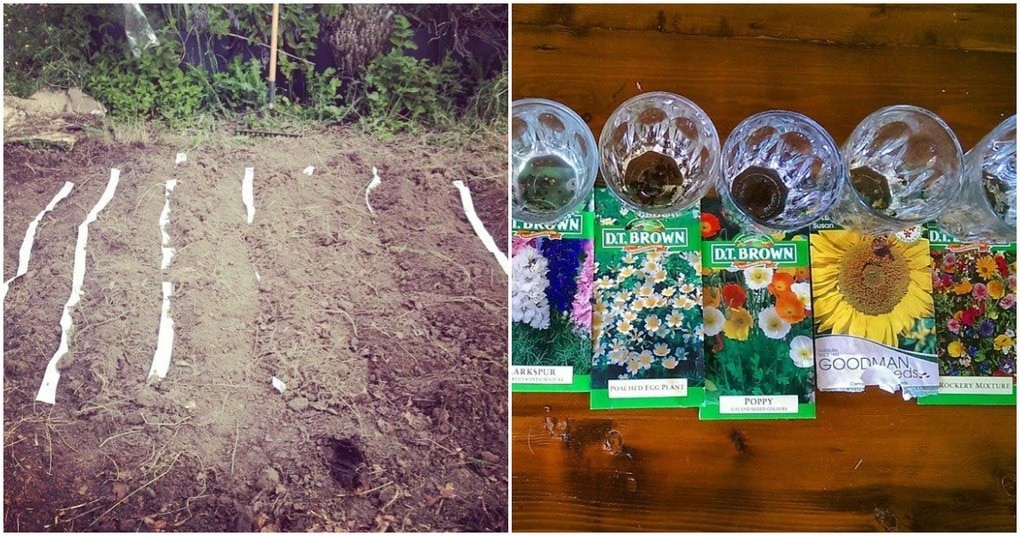
To sow seeds in one plane you don’t have to run around with slats or rulers. It’s enough to soak the seeds and evenly apply them to toilet paper. Place the paper with the seeds on the soil, depending on the planting method of the particular variety. You can first place the paper and then add the seeds. That way you’ll know where you’re planting them and where they will grow.
Get rid of snails and slugs
No one likes slugs and snails in their garden! They eat plants, not to mention the crops they can destroy. To get rid of them without having to collect them by hand, pour beer into rather shallow bowls. The beer should not reach the rim but about three quarters full. Slugs and snails love the smell of beer and it reliably attracts them. They get into the bowl, but not out of it.
Interestingly made paths
Do you love wine? Then you will surely appreciate this idea. Put glass bottles neck-down into the ground! Such an improvised path is not for walking on, but to protect the edges of flowerbeds. Glass is certainly a beautiful and noble material, so this look will surely decorate any garden.
Lemon in the garden or on the terrace?
Not only in autumn but also in spring our bodies need plenty of vitamins. And as you surely know, the best choices for supporting immunity are especially lemons, oranges, and grapefruits. Just squeeze them, drink the juice, and use the remaining peel to sow seedlings. The peel will start to dry, and once it is bad — wrinkled — the seedlings will already be large and ready to be planted in the ground.
Eggshells will still come in handy
Eggshells contain many beneficial substances, so they will surely be useful in your garden. Just crush the collected shells and place them on the bed around the plants. For example around tomatoes, cucumbers, peppers, and so on. The shells nourish the plants, but at the same time protect against uninvited guests like slugs and snails.
Wellies as decoration
Don’t throw away children’s wellies. Try turning them into beautiful flower pots. Simply fill the wellies to the top with soil and plant flowers in them. Don’t forget to make drainage holes so excess water can drain away. Now you can hang them on a fence or wall. That, however, is up to you. If the shoes are different colors you can splatter or paint them.
Coffee grounds are not waste!
With every coffee you enjoy, don’t throw away the coffee grounds. Prepare a bowl next to the coffee maker or sink where you always place the grounds. Once you have more, dump them into the bed. It’s a great natural fertilizer and also a repellent for pests. Coffee grounds can also be used for houseplants. Just mix a bit of grounds with the top layer of the substrate in the flowerpot.
Soak seeds before every planting
Even if it is not stated on the package, try to soak every seed you are about to sow. Thanks to this initial procedure the seedlings will be stronger and more resistant to diseases. And besides, the sprouts will appear much faster.
Effective markers
Often you plant peppers, tomatoes and other seeds but forget to label them. Or you label them with pieces of paper, but those keep getting lost. To avoid mistakes or mix-ups, you can use effective markers. Make markers from flat stones. Paint the vegetable on the stone or write the name in decorative lettering — it’s up to you. You can also have fun creating them with children.
Garden tool cleaner
This method is very effective. Fill a container with sand and mix it with oil. Vegetable oil is enough. Take garden scissors, a knife or another sharp tool and stick them into the prepared sand. Pull them out a few times and put them back into the sand. The items will be sharpened and oiled. They will thus be protected from rust.