
Article content
No gardener is happy when their cultivated plants are threatened by pests and annoying insects bother them while relaxing in the garden. If you are one of those people, ditch chemical agents and rely on plants that can solve everything.
Calendula, lavender and lemongrass
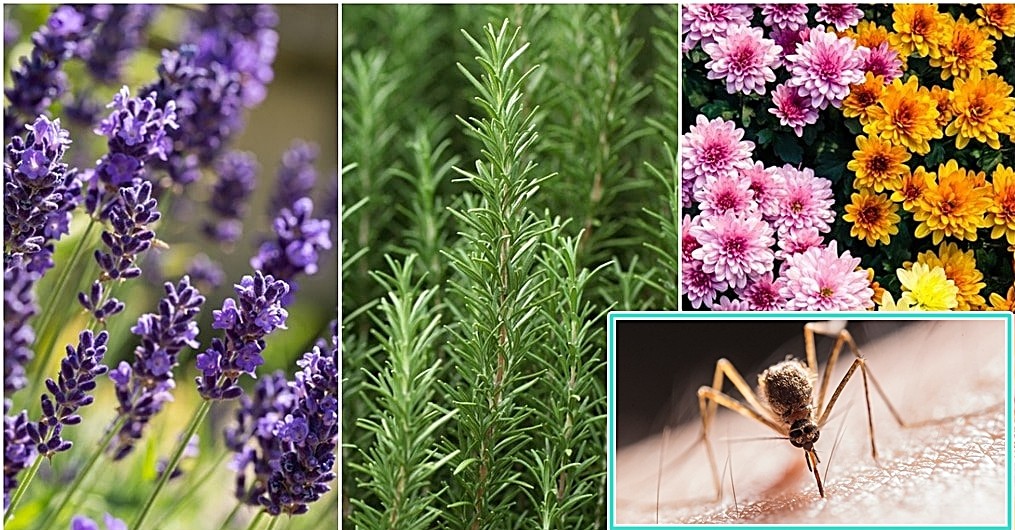
If you want to get rid of annoying insects and pests, plant calendula (pot marigold) in your garden. It is not only beautiful but also medicinal. Aromatic lavender also excellently deters mosquitoes and other insect foes. You can pick it in summer, dry it and place it in cloth sachets to fragrance your home. This can even help get rid of clothing moths. Last but not least, lemongrass is very useful, as it contains a substance called citronella, which is often an ingredient in common repellents.
Basil, osage orange and peppermint
If you grow basil in the garden primarily for culinary purposes, you will be pleased to know that it also repels mosquitoes well, as they dislike its aroma. A very interesting tree is the osage orange. Its fruits smell like cedar and perfectly repel, for example, cockroaches and other pests. And then we have the very popular and refreshing peppermint. This aromatic herb is said to harm mosquito larvae, ants, mice and spiders. So be sure not to forget it when planting new seedlings.
Rosemary, catnip and garlic
Another fragrant plant that helps repel insects and pests is the excellent and tasty rosemary. If mosquitoes bother you while grilling, place a sprig of the herb on the grate and let it release its scent. That way the troublesome insects won’t stand a chance. Have you heard of catnip? This attractive flower is mainly appealing to cats, hence its name. Because it has a strong aroma, it is a natural repellent of insects and pests. And then we have the renowned garlic. You can also grow it in the garden and thereby protect other crops.
Chrysanthemums and nasturtiums
And finally, we have two ornamental garden flowers. Chrysanthemums are able to repel ants, ticks, spiders, cockroaches and other insects. Nasturtiums mainly act against aphids.


