
Article content
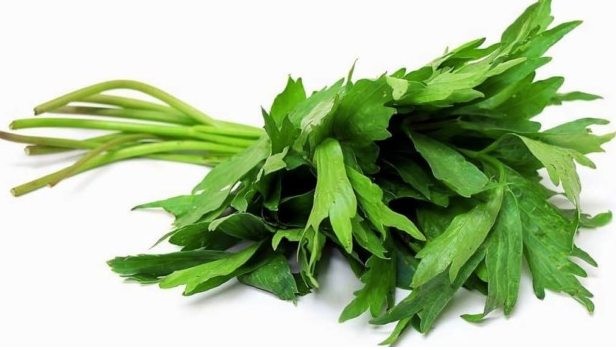
Lovage or grandma’s secret spice. This herb belongs to the family of hardy herbs and spices that are grown easily, with minimal care, and their uses are truly versatile.
Lovage is also known as a plant of many flavors with an unmistakable aroma. At first it tastes sweet and toward the end it acquires bitter tones. That’s exactly why our grandmothers always had it on hand and the preparation of favorite dishes could not do without it. You can simply replace, for example, store-bought soup seasoning with it. But that is by no means all!
Lovage for health 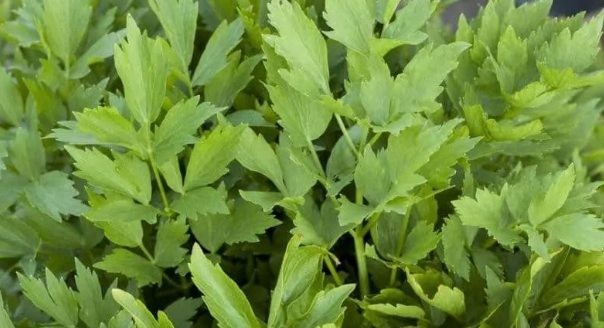
It’s not just a spice that seasons your dishes, but also a very useful little plant for our health. It has beneficial effects on the urinary tract – it helps with painful inflammations and is diuretic. In addition, it supports the production of digestive enzymes, thereby facilitating digestion and speeding up metabolism. Its strong taste and pronounced aroma also act against bloating and flatulence.
Lovage can protect the body from inflammations that cause joint diseases. Besides its beneficial effects on the urinary tract, it is an excellent aid for an enlarged prostate. Its aroma has a relaxing effect on a tense and stress-tossed psyche. Various aromatic decoctions, compresses were prepared from it and it was even added to baths. It also improves blood circulation, helps with rheumatism and gallbladder complications.
Support for proper lung function
Traditional medicine uses lovage to reduce mucus in the lungs, which improves breathing and the exchange of oxygen in the body. Lovage contains essential oils that help relieve lung irritation and improve the overall condition after just 4 days of use.
Supports healthy joints
The herb is considered a natural remedy and a support for healthy joints together with the treatment of rheumatism. It has no side effects, which is very rare.
Soothes allergies
The calming effect of lovage helps naturally fight allergy symptoms. Quercetin, a compound found in lovage, suppresses the release of histamine and reduces irritation caused by hypersensitivity to some elements of nature.
10 beneficial effects of lovage on your body and health:
- Supports digestion; if you are losing weight, it is the best helper,
- Speeds up metabolism,
- Supports bile secretion – an excellent prevention of gallbladder disease,
- Removes flatulence and bloating,
- Prevention against cardiovascular diseases, cleans the blood and blood vessels,
- Diuretic effects – it is excellent for people who suffer from frequent inflammations of the bladder, kidneys and urinary system,
- Removes excess water from the body; if you salt a lot, lovage will cleanse your body of excess sodium,
- Purifies the respiratory tract – removes mucus and facilitates breathing,
- A decoction of lovage can be used successfully to treat joint diseases such as rheumatism, osteoarthritis or gout. You can boil all parts of the plant, but the most pronounced effect is in the root. Tea from the lovage root several times a day can effectively relieve many health problems.
- Excellent during the flu – lovage is not only great prevention, but it will also help you recover faster.
Lovage in the household
Grandmothers used lovage not only in sauces, soups or with meat. Its leaves – dried or fresh – were placed in cupboards and pantries where they acted as a pest repellent.
Use all parts
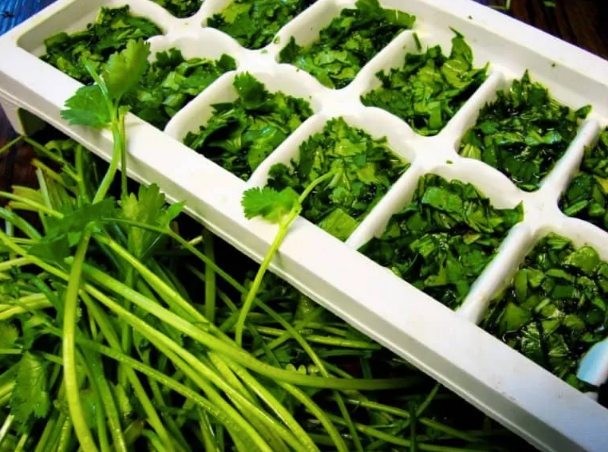
You can dry lovage roots, crush them and use them as a spice for dishes. Leaves and stems can be added to broths, salads and sauces. Young leaves give dishes an aromatic celery scent. You can dry the leaves and make various homemade seasonings from them, flavored salts or homemade substitutes for vegetable seasoning. Leaves can be harvested throughout the season. We harvest the lovage root only in the third year after summer. We dry the root and grind it into spice.
How to grow it?
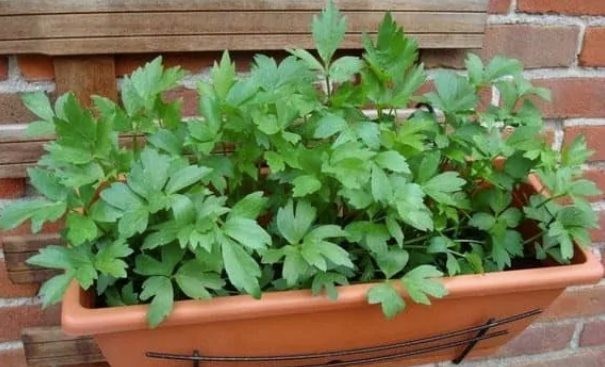
You don’t need many for one household at all; 1-2 plants are enough, which spread very quickly.
March, at the latest April, is the ideal time to sow lovage in your garden. Seeds for direct sowing can be found in any gardening shop or supermarket. The second option is propagation from cuttings (simply stick the cuttings into the soil and let them root). Alternatively, you can buy seedlings and plant them in the garden – that’s also the easiest option.
Lovage is very hardy and therefore has no problem overwintering in the garden. It prefers a spot in partial shade and plenty of moisture – don’t forget this especially during hot summer days.
Healing lovage tea:
1 teaspoon of chopped leaves is boiled in 250 ml of water for 10 minutes. This recipe has a beneficial effect on urinary tract inflammations and also serves as a detoxification after excessive consumption of alcohol or nicotine.
Homemade liquid seasoning for soup
We need:
- Lovage including stems (use as much lovage as the amount of seasoning you want to make; for me the rule is the more, the better)
- 400 ml of water
- 1 teaspoon of salt
- 1 teaspoon of fresh marjoram (if not, it can also be dried)
- 2 tablespoons of sunflower oil (or as needed)
Procedure:
Thoroughly rinse the lovage and grind it in a meat grinder. Put it in a pot, add water and boil for 15 minutes. Strain the mixture through white cloth, squeeze out well
Add salt, 2 tablespoons of oil and marjoram to the liquid mixture and cook until the decoction is reduced by half. Pour into jars and turn upside down.
The resulting concentrate can be added to soups and, to taste, also to sauces.


