
Article content
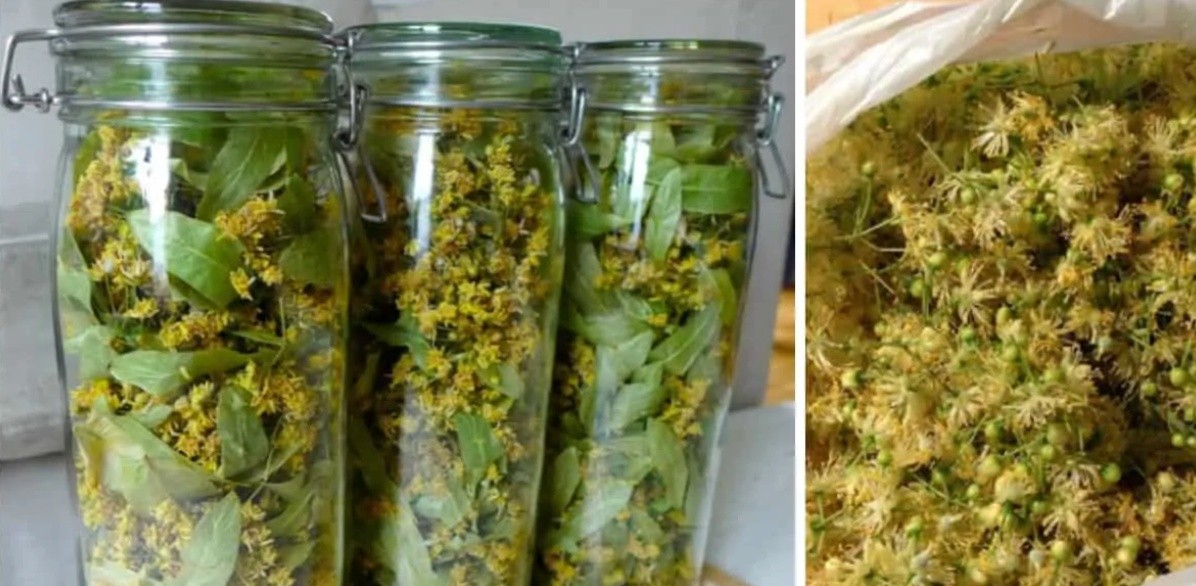
Linden blossom
The linden tree not only has positive effects on our health, but also a beautiful honey fragrance.
It is harvested at the beginning of flowering, that is in June and July, before the spherical fruits begin to form. The entire inflorescence is harvested. They are dried at temperatures up to 35 ° C in the shade so they do not lose their color and the flowers have a pale yellow color.
Positive effects on human health:
- acts as a prevention against colds
- unsweetened tea is excellent for weight loss
- strengthens the body’s defenses
- helps in the treatment of influenza, reduces fever
- speeds up the healing of bronchitis, facilitates expectoration
- relieves sore throat
- natural diuretic, causes increased urine production
- helps flush harmful substances from the body
- reduces stomach cramps
- helps with infectious diseases and intestinal problems
- acts against insomnia, nervousness, migraine and irritability
- suitable for the treatment of kidney and bladder diseases
Drying linden blossoms
You can dry them in an airy place laid out on a tray, or use a dehydrator. The temperature should not exceed 35 ° C.
Store the dried flowers in darkness and dryness, preferably in glass jars.
Comfrey
A medicinal plant with characteristic flowers in the form of dark purple blooms that you certainly won’t miss in nature. It grows on banks, forest edges or in moist places. Most often the root is collected, from which you can prepare an ointment or tea. Comfrey helps treat suppurating wounds, reduces inflammation and, thanks to its analgesic effects, soothes pain.
Both the leaves and the root have medicinal effects. Its leaves are harvested in June and during the summer flowering period, and the roots from autumn until spring, when they contain the most active substances. The comfrey root is long and branched enough that despite harvesting you will not be able to pull it out completely, which allows the plant to regrow. The root is dried at temperatures up to 50 ° C, ideally by natural warmth. It is also used to make tinctures, ointments, decoctions and compresses.
Uses
- spinal, hip and knee diseases
- fractures, dislocations, bruises
- joint and muscle pain
- rheumatism, sciatica, gout
- tendonitis, soft tissue arthritis
- thrombophlebitis
- wounds, skin lesions, pressure sores, burns, frostbite
- hemorrhoids, varicose veins, ulcers
- damaged mucous membranes
- respiratory infections and gastrointestinal ulcers
- in cosmetics it regenerates and improves the appearance of sagging skin
Thyme
Thyme is medicinal practically in its entirety, i.e., all above-ground parts – the flower, stem and leaves. The main active ingredients are found in its essential oil and are thymol and carvacrol. Both components act antiseptically and are effective against parasites, bacteria, and viruses. Non-woody shoots and flowers are harvested from May until September. Cut the stems with scissors so you do not pull the plant out by the root, and collect during sunny dry weather.
When thyme helps
The herb has a very wide range of uses and helps with these issues:
- treats all infections of the upper respiratory tract (loosens mucus and facilitates expectoration)
- promotes mucus secretion, expectoration and relaxes the smooth muscles of the bronchi
- treats sore throat
- improves digestion
- acts against intestinal parasites and some fungi and yeasts
- for throat pain
- urinary tract inflammation
- infectious diarrhea
- against worms, parasites, fungi and molds
- antiseptic, antiviral and anti-inflammatory effects
- treats acne-prone skin
- relieves toothache
- treats suppurating wounds and bedsores
- removes bad breath
- relieves bloating and menstrual pain
Lovage
It’s not just a spice that flavors your dishes, but also a very useful plant for our health. It has beneficial effects on the urinary tract – it helps with painful inflammations and is diuretic. In addition, it supports the production of digestive enzymes, thereby facilitating digestion and speeding up metabolism. Its strong taste and distinct aroma also act against bloating and flatulence.
Lovage can protect the body from inflammations that cause joint diseases. In addition to its beneficial effects on the urinary tract, it is an excellent aid for an enlarged prostate. Its aroma has a relaxing effect on a tense and stress-ridden psyche. Various aromatic decoctions, compresses were prepared from it and it was even added to baths. It also improves blood circulation, helps with rheumatism and gallbladder complications.
Harvest:
- If we want to dry the medicinal herb, we harvest young leaves or the herb before flowering, preferably in June.
- Dry the herb loosely in a thin layer in the shade in an airy place at a temperature up to 35 ° C.
- When drying in a dehydrator, the temperature must not exceed 40 ° C.
- Store well sealed and protect from light and moisture.
- Roots and seeds of lovage can also be collected.
Mint
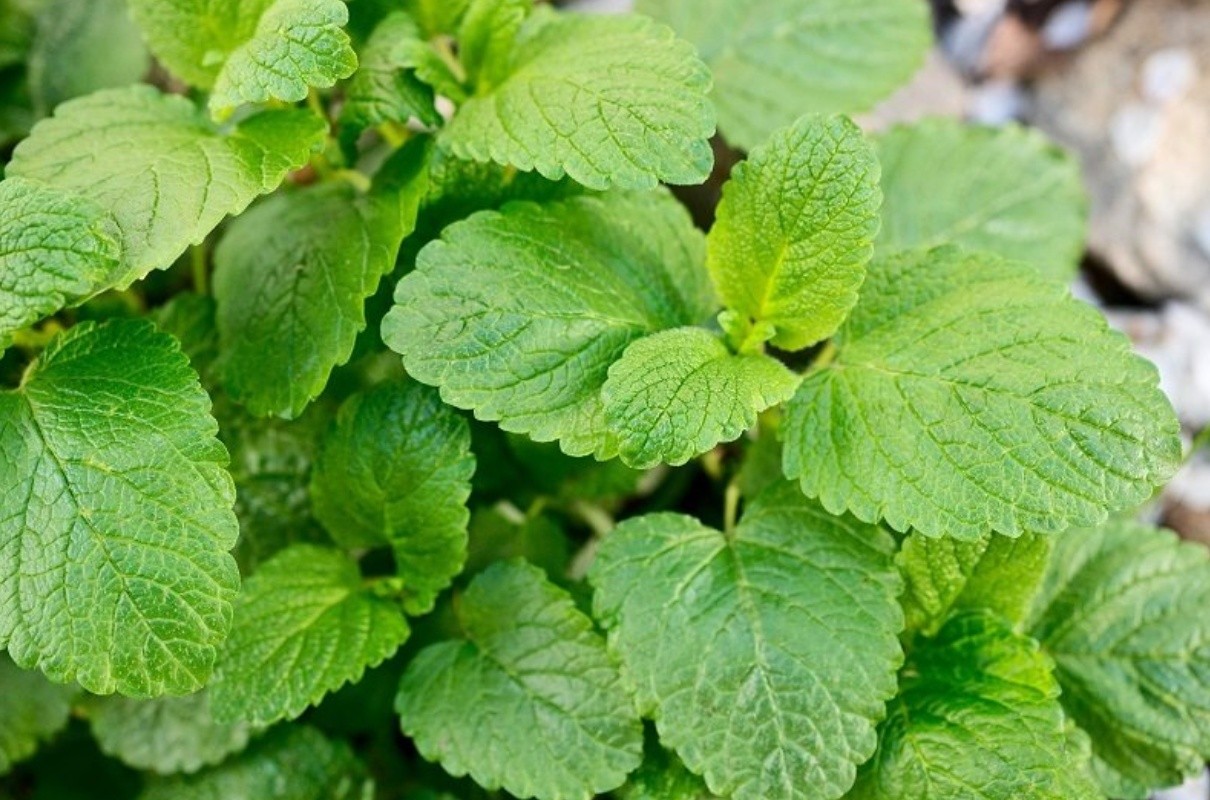
Mint was used for medicinal purposes by our ancestors and has been part of traditional Chinese medicine for more than 3000 years. Mint contains the active substance menthol, which has antiseptic, anti-inflammatory and cooling properties. Mint oil is made from mint, which can be purchased at a pharmacy or online and can even be prepared at home. It helps with many health problems.
Mint’s effects on health:
- Stimulates the immune system
- Antiseptic and antibiotic effects
- Relieves pain (joints, head)
- Freshens breath
- Promotes good sleep
- Supports digestion
- Promotes bile secretion
- Increases appetite
- Removes flatulence
- Eliminates abdominal cramps
- Helps balance the intestinal microflora
- Calms the nervous system
- Helps with diarrhea and even constipation
- Cools the body during hot days
- Suitable for patients with rheumatism
- Suitable for patients with skin diseases
- Suitable for smokers (freshens breath)
- Suitable for flu and colds
- Unsuitable during breastfeeding and pregnancy (reduces milk production)
Harvest:
- The first harvest is done when the plants reach a height of 25-30 cm, which is usually in June.
- You can harvest the whole leafy stem and dry it in bunches, or remove the leaves from the stems and dry them separately, which is a more effective method.
- Dry them loosely spread on trays in the shade at a temperature up to 25 ° C.
- When artificially drying, the temperature must not exceed 30 ° C.
- Store in a dry, dark place, well sealed.
Lemon balm
Lemon balm is a very useful herb; our grandmothers could tell stories about all the uses of this fragrant plant. For example, my grandmother taught me that there is no better remedy for cold sores, and since I get cold sores now and then myself, I can confirm that this is indeed true. But it’s not only good for cold sores; lemon balm has amazing properties worth knowing about.
Lemon balm also contains B-group vitamins, vitamin C, magnesium, iron, calcium, copper and zinc.
Useful properties of lemon balm:
- Lemon balm allows a person to relax, relieves many ailments, improves memory and rejuvenates the body.
- In patients with heart disease, it relieves shortness of breath, stops tachycardia, alleviates pain in the heart area and lowers blood pressure.
- Regulates women’s hormones, relieves unpleasant sensations during menstruation.
- With regular use it normalizes the cycle and reduces the occurrence of PMS symptoms.
- Helps cope with anxiety and stress. Together with other natural ingredients it is part of calming medicines such as Novo-Pass and
- Persen.
- In cases of insomnia it ensures a deep and long sleep. Unlike over-the-counter drugs, it does not cause a feeling of fatigue after consumption.
- Relieves symptoms of bloating and eliminates colic.
- Has a toning effect on the body, strengthens the immune system.
- Has a beneficial effect on cerebral blood vessels.
- Has a tonic effect.
- Normalizes appetite.
- Has an anti-inflammatory effect.
- Helps get rid of bad breath.
- Baths and compresses from lemon balm are suitable for rheumatism, furunculosis, burns and bruises, or for rinsing in the treatment of periodontitis.
- Lemon balm can be used to fight excess weight, thanks to its ability to activate metabolic processes, cleanse the body and remove toxins.
Harvest: - We harvest the herb or just the leaves in dry, sunny and cooler weather around midday, ideally in June.
- Dry naturally in a single layer without turning. Artificial drying at a temperature of 30 ° C.
- Properly dried lemon balm retains its original color and lemon aroma.
Sage
In the medieval period, sage was associated with human immortality. It is most often prepared in the form of tea, infusions, tinctures, or as a medicinal mouthwash or syrup to treat inflammation, cough and problems related to the upper respiratory tract. Sage is also used in cooking in popular recipes.
Sage is known for a relatively high content of essential oils, tannins, flavonoids, saponins, B-group vitamins, etc. An interesting fact are specific substances – phytoestrogens, which are very similar to estrogen (the female hormone). With sage you should pay attention to dosing and duration of use, because an essential oil named thujone has toxic effects in high doses. Therefore, even with this miraculous herb the golden rule applies – everything in moderation.
Sage effects on health:
- Supports the immune system
- Helps with menstrual problems and bladder infections
- Strong antiseptic effect
- Antibiotic effect
- Purifies the blood
- Helps with expectoration of mucus
- Supports digestion
- Helps with diarrhea, abdominal pain and cramps
- Removes flatulence
- Provides energy and vitality
- Calms the body from tension
- Removes gynecological problems
- Helps remove and heal gum inflammation in the entire oral cavity
- Prevention against stroke
- Ensures good liver function
- Supports good healing of wounds, burns and treats skin diseases
Harvest:
- Sage leaves are collected shortly before flowering around midday (they contain the most essential oils) during sunny and dry days, because wet leaves turn brown.
- Dry them in thin layers quickly in the shade at a temperature around 30 ° C.
- When artificially drying the temperature must not exceed 35 ° C.
- Dried sage leaves are gray-green to silver-gray and felted.
- Dried sage has a strong spicy scent and a spicy, bitter and astringent taste.


