Article content
Every day the number of people with cardiovascular diseases increases. The number of deaths from related complications, such as heart attacks or strokes, is also rising.
One of the main risks for developing cardiovascular disease is clogged blood vessels. They carry blood with oxygen and nutrients throughout the body.
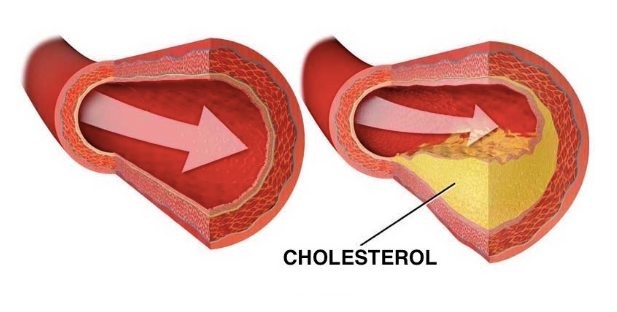
Healthy vessels are flexible, strong, elastic and contain no deposits. However, when fats, cholesterol or other substances build up in the vessels, they can become clogged and subsequently narrow or harden.
This condition, which causes reduced blood flow through the vessels, is called atherosclerosis.
Vessel blockage does not occur overnight. Their blockage develops over a longer period. Diet and overall lifestyle play a large role in the development of this disease.
The good news is that with some healthy foods you can prevent vessel blockage and other accompanying diseases.
Today we will reveal 12 of the most effective foods with which you can cleanse your vessels of deposited cholesterol:
12 foods to cleanse your vessels:
1. Garlic
A great natural cleansing agent for the vessels is garlic. It is rich in antioxidants that prevent the action of free radicals responsible for heart disease and clogged vessels.
Regular consumption of garlic lowers the level of bad LDL cholesterol in the blood. It also dilates blood vessels, improves blood circulation and helps prevent arterial hardening.
A 2016 study published in the journal Nutrition states that garlic extract helps reduce plaque volume in the coronary artery of patients with metabolic syndrome.
Consume 1 to 2 fresh cloves of garlic each morning with another food, because on its own it can irritate the stomach.
It is also suitable to add to soups, salad dressings, or various dishes.
However, when heated it loses part of its effects, so cooked garlic needs to be consumed somewhat more than raw to achieve the same effect.
2. Pomegranate
Pomegranates have a high content of antioxidants that help fight free radicals in the body. They also help reduce fat deposits in the arteries, thereby preventing serious health problems such as atherosclerosis.
This fruit also stimulates the production of nitric oxide in the body, which keeps your vessels open and ensures healthy blood flow.
It also prevents the formation of plaques and blood clots in the vessels.
A 2004 study published in the journal Clinical Nutrition reports that patients with narrowed coronary arteries who drank pomegranate juice for three years experienced restoration of arterial thickness, reduced blood pressure and a reduction in levels of bad cholesterol (LDL).
A 2013 study published in the journal Atherosclerosis states that pomegranate extract acts against atherosclerosis because it reduces oxidative stress and inflammation in the vessel walls.
Consume 1 to 2 pomegranates daily. Alternatively, you can drink 1 glass of pomegranate juice a day.
3. Green tea
Green tea — especially nutrient-rich Matcha green tea — is high in catechins, antioxidant plant phenols that prevent the absorption of cholesterol during digestion.
Enjoy one or two cups of green tea daily to improve your blood lipid levels and help reduce vessel clogging.
Green tea also naturally boosts metabolism, helping you lose weight more easily and support cardiovascular health.
4. Spinach
This tasty and nutritious leafy vegetable has many health benefits. The most important is that it maintains heart health.
Spinach is a rich source of nitric oxide, which protects arteries from constriction, deposits and blood clotting.
A 2015 study published in Research in Clinical Nutrition reports that seven days of consuming spinach can help reduce arterial stiffness.
Moreover, due to its high content of vitamins A and C, it helps prevent harmful LDL cholesterol from sticking to the vessel walls, thus reducing the risk of atherosclerosis.
Spinach is also high in potassium and folic acid, which are considered two of the most important substances fighting high cholesterol and blood pressure.
Consume at least 1/2 cup of spinach daily. You can also enjoy this vegetable in salads, soups, juices or smoothies.
5. Asparagus
Asparagus naturally cleans your vessels. It reduces blood pressure and prevents the formation of blood clots.
B vitamins, especially vitamin B6, help reduce homocysteine levels (an amino acid associated with heart disease) and C-reactive protein levels (an inflammatory marker).
A 2005 study published in the journal Circulation states that elevated homocysteine levels indicate an increased risk of coronary artery disease and blood clots in the arteries and veins.
Asparagus is effective at lowering homocysteine levels because it is high in folic acid and vitamins B6 and B12.
It also stimulates the production of glutathione in the body. This antioxidant fights inflammation and prevents oxidative damage that can lead to vessel clogging or blockage.
In addition, vitamin K in asparagus prevents arterial calcification and keeps calcium out of arterial deposits.
Consume this tasty vegetable regularly and as much as possible. You can prepare it as an appetizer or a side dish.
6. Avocado
Avocado contains high amounts of healthy fats and other nutrients that reduce harmful LDL cholesterol.
Healthy HDL cholesterol helps keep arteries clean.
A 1996 study published in the Archives of Medical Research reports that the high level of monounsaturated fatty acids in avocado can improve lipid profiles in healthy patients, but especially in patients with high cholesterol, even in those with isolated hypertriglyceridemia — increased triglyceride concentration with normal total cholesterol concentration.
Vitamin E in avocado also prevents cholesterol oxidation.
It also contains folic acid (vitamin B9), which lowers blood homocysteine levels along with potassium.
Potassium is useful for lowering blood pressure.
Consume 1/2 an avocado daily. You can even use it as a healthy substitute for butter on bread or toast or for cream. It is an excellent ingredient in various spreads.
7. Turmeric
Turmeric contains the active compound curcumin, which has anti-inflammatory and antioxidant effects, thereby helping improve heart health.
Curcumin helps protect the cardiovascular system from damage by reducing and preventing arterial clogging. In addition, it lowers levels of harmful LDL cholesterol.
A 2015 study published in the International Journal of Clinical and Experimental Pathology found that turmeric is effective in preventing arterial clogging and improving heart health.
This study further states that improvements in coronary artery permeability from curcumin may be related to its anti-inflammatory effect.
Add 1 teaspoon of turmeric to a glass of water. Also add a pinch of black pepper, which facilitates curcumin absorption in the intestine. Drink this 1 to 2 times daily.
You can also choose to take dietary supplements containing 300 to 500 mg of curcumin, three times a day. You can find quality curcumin supplements in Slovakia here and in the Czech Republic here.
If you regularly take any medications, consult your doctor before taking a dietary supplement to check for possible interactions.
8. Broccoli
Broccoli is another vegetable full of vitamin K, which helps prevent calcification and hardening of the arteries.
By eating broccoli, which contains vitamin K and antioxidants, you prevent the oxidation of LDL cholesterol, which can lead to serious heart disease.
This amazing healthy vegetable also contains a lot of fiber, which helps normalize blood pressure and reduce stress that causes tears and the gradual buildup of deposits in the vessels over time.
9. Apples
An apple a day is the secret recipe for clean vessels. Apples contain a certain type of fiber known as pectin, which lowers levels of harmful LDL cholesterol.
It interferes with the absorption of bile acids, forcing the liver to make more bile from cholesterol. In addition, the high amount of flavonoids in apples helps reduce the risk of heart disease and other cardiovascular illnesses.
Likewise, the potassium and magnesium in apples help keep blood pressure under control. A 2013 study published in the journal Functional Foods suggests that daily apple consumption supports cardiovascular health.
In healthy middle-aged adults, consuming one apple a day for four weeks reduced by 40% a substance in the blood that is associated with arterial hardening.
Apples are best when organic. Eat them with the skin to get the maximum benefits.
10. Chia seeds
This valuable food from the Mayan and Aztec cultures has immense health benefits. It is the richest plant source of omega-3 fatty acids.
The combination of omega-3 fatty acids and fiber makes them the most heart-friendly food.
Chia seeds can lower levels of harmful LDL cholesterol, reduce blood pressure and cleanse your arteries.
This versatile and tasty food can be consumed in many ways.
Add 1 tablespoon of chia seeds to 3 tablespoons of water. Let stand for 30 minutes. You can add this gel-like mixture to your smoothie or other dishes.
Another option is to add them dry to your yogurt or oatmeal. If you want to enjoy them crunchy, sprinkle them over dry foods like salads.
Chia seeds absorb a lot of water, so it is important to stay well hydrated when consuming them.
11. Flaxseeds
One of the best sources of alpha-linolenic acid (ALA) is flaxseeds.
They are known for their ability to lower blood pressure and inflammation, help prevent arterial hardening and improve overall heart health.
12. Cranberries
Cranberries are another natural source of antioxidants that contribute to improved cardiovascular health by lowering bad LDL cholesterol and increasing good HDL cholesterol.
In fact, cranberry juice has much higher antioxidant power than other fruit juices (with the exception of 100% white or red grape juice).
Enjoy two glasses of 100% organic cranberry juice daily to protect your heart and improve overall health.