Article content
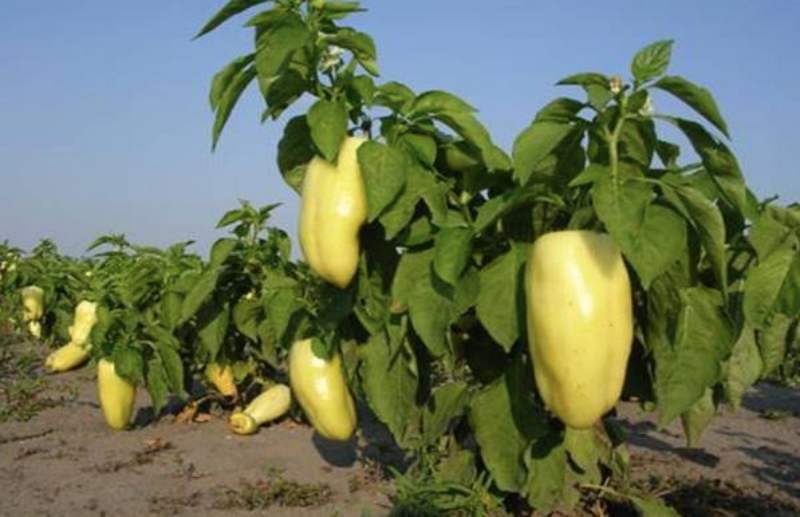
If you until now thought peppers are annual plants, we have a surprising update for you. Peppers can grow and bear fruit for several years if you overwinter them properly. This simple trick will save you time and the costs of preparing seedlings every year and will ensure a bountiful harvest year after year.
1. Why not throw peppers away after harvest?
Many gardeners throw peppers away after harvest without knowing that these plants can successfully overwinter and continue growing the following season. You just need to prepare them correctly and move them to suitable indoor or greenhouse conditions.
2. Transplanting the pepper for overwintering
After harvesting, don’t throw the pepper away; dig it up and transplant it into a pot. It’s important to remove all fruits and thoroughly clean the leaves of any pests, such as aphids. This way you ensure the plant will be healthy and ready for winter.
3. Ideal conditions for overwintering
Place the transplanted pepper in a cool, dry spot with a temperature around 12-14 °C. An ideal location is, for example, by a window where the plant won’t be exposed to direct sunlight. Limit watering to a minimum – watering every two to three weeks is sufficient so the roots stay alive but the plant doesn’t waste unnecessary energy.
4. Pruning and preparation for the new season
In winter the pepper will drop its leaves, similar to how trees do. During this period you should prune the plant, but leave 2-3 shoots in a Y shape. The top stems should be 4-6 cm long. This pruning will help the plant set new shoots more quickly in spring.
5. Preparation for spring
At the end of April move the pepper to a warmer spot and start watering it more frequently. Once new shoots and leaves appear, it’s time to return it to the garden. The pepper will quickly adapt to outdoor conditions and begin fruiting again.
6. Bonus tip: Growing peppers in a greenhouse
If you have a greenhouse, you can also grow the pepper there over the winter. If you provide it with the right nutrients, humidity and temperature, the pepper can fruit even during the colder months. This allows you to enjoy fresh peppers year-round.
Conclusion
With this simple trick you can harvest fruit from a single pepper plant for years. Just prepare it properly for winter, overwinter it and wake it up again in spring. This method will save you time and money and ensure you always have fresh and tasty peppers on hand.
If you like this idea, don’t hesitate to share it with your friends and family. Long-lived peppers can be a pleasant addition to your garden!