
Article content
Doctors estimate that the so-called „dowager’s hump“, or hyperkyphosis, affects two out of five people over the age of 55. This condition is caused by a number of factors, including degenerative changes, muscle weakness, or osteoporosis. Although it is considered a common part of aging, it significantly affects quality of life.
What is a dowager’s hump?
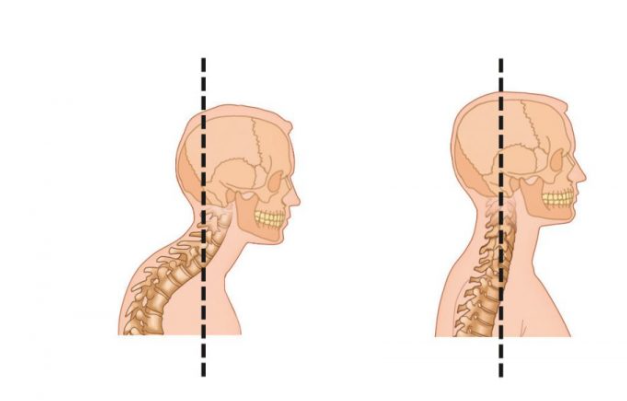
A dowager’s hump, medically referred to as hyperkyphosis, is an excessive curvature of the spine in the upper back that often leads to a visible bulge in the neck area. A healthy spine has a natural degree of curvature — approximately 40 degrees. If the curvature exceeds this limit, it becomes problematic.
This problem occurs more often in women than in men, especially after menopause. The reason is decreased bone density and other hormonal changes.
Main causes of developing a dowager’s hump
The development of a dowager’s hump can be caused by various factors. The most common include:
1. Osteochondrosis
Degenerative disease of the intervertebral discs weakens the spine and causes its excessive curvature.
2. Vertebral fractures
Repeated compression fractures of the vertebrae, especially in the thoracic region, significantly contribute to the formation of the hump. Postmenopausal women are more prone to these fractures due to osteoporosis.
3. Osteoporosis
A lack of calcium and vitamin D weakens the bones, which increases the risk of fractures. These fractures subsequently lead to spinal deformities and increased curvature.
4. Weak back muscles
Muscle weakness in the back area can cause the spine not to be properly supported, which promotes the development of hyperkyphosis. Strengthening the back muscles is key for both prevention and treatment.
5. Genetics and congenital defects
Scheuermann’s disease, a congenital condition that causes pronounced curvature of the spine, can be one of the reasons for the development of the hump.
6. Reduced mobility
With age, the flexibility of ligaments, joints, and muscles decreases, which negatively affects the ability to maintain proper posture.
Diagnosis and treatment options
If you suspect a developing dowager’s hump, consult a doctor. Diagnosis includes:
- Spinal X-ray – to assess the curvature.
- CT or MRI scans – for detailed imaging of bones and soft tissues.
- Physical examination – to determine mobility and muscle strength.
Treatment depends on the cause and severity of the condition. Options include:
- Physiotherapy – special exercises to strengthen back muscles and correct posture.
- Medications – for example, supplements with calcium and vitamin D for osteoporosis.
- Surgical treatment – only in severe cases.
How to prevent the development of a dowager’s hump?
Caring for spinal health can effectively prevent the development of a dowager’s hump. It is recommended to:
- Regular exercise – strengthening back muscles and maintaining spinal flexibility.
- A balanced diet – with sufficient calcium, vitamin D, and other key nutrients.
- Proper sitting posture – avoid prolonged slouching and pay attention to ergonomics at work.
Conclusion
A dowager’s hump is not an inevitable part of aging. With regular exercise, a proper diet, and timely diagnosis, you can effectively prevent this problem. Taking care of a healthy spine pays off at any age – start today!