

Article content
At first glance it looks like a virtue. Always accommodate, help, give in, avoid causing conflict and keep the peace around you. Many people get so used to this way of operating that they consider it normal. But modern research shows that long-term suppression of emotions and the need to constantly accommodate others can have serious impacts on health – including an increased risk of autoimmune diseases.
What begins as an attempt to be a “good person” can gradually turn into a quiet but exhausting internal struggle that the body will feel sooner or later.
Suppressed emotions as a source of chronic stress
People who avoid conflicts, say “yes” even when they feel “no”, or suppress anger, sadness or frustration long-term often live in a permanent stress mode. The body does not distinguish between physical threat and emotional pressure.
Professional studies confirm that these people experience increased production of stress hormones, especially cortisol. In the short term cortisol can be useful, but when elevated long-term it disrupts the body’s balance.
Chronically elevated cortisol promotes inflammatory processes, weakens the immune system and impairs its ability to distinguish between the body’s own cells and foreign substances.
When the immune system turns against the body
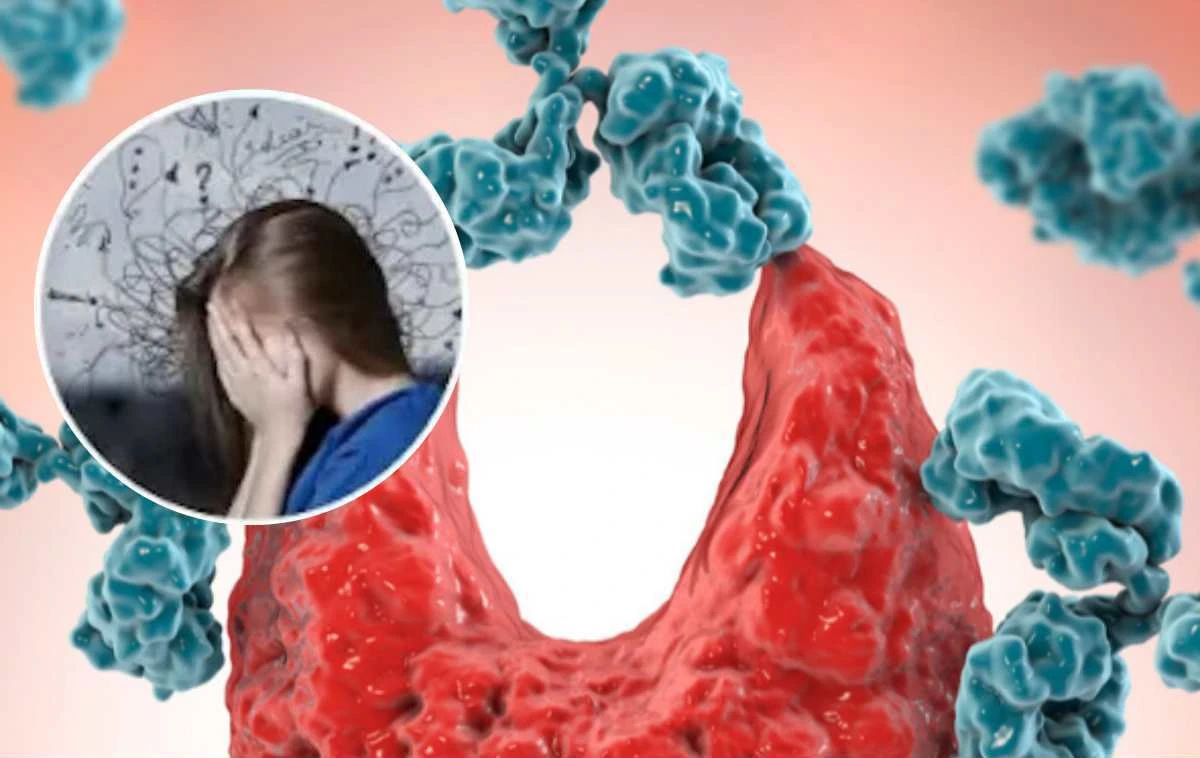
Autoimmune diseases arise when the immune system begins to attack its own healthy cells because it mistakenly identifies them as a threat. The most common autoimmune diseases include:
- rheumatoid arthritis
- lupus
- Hashimoto’s thyroiditis (autoimmune disease of the thyroid)
- some inflammatory bowel diseases
Research suggests that long-term emotional stress, suppression of feelings and the inability to set personal boundaries can act as a trigger or a significant exacerbating factor for these diseases.

It’s not just about the psyche. Biological chaos develops in the body
This is not only about mental fatigue or burnout. With prolonged emotional overload, real biological changes occur in the body.
The body of a person who constantly suppresses their own needs and adapts to others remains on alert. The nervous system is permanently activated, levels of inflammatory markers rise, and immune responses become chaotic.
An internal conflict arises between the need for external recognition and the body’s urgent need for rest, safety and regeneration.
Healing often begins with one word: “no”
One of the key steps to restoring balance is the ability to set healthy personal boundaries. Learning to say “no” is not a sign of selfishness, but a basic form of self-care.
Emotional honesty and respect for one’s own needs help the body exit the stress mode. As stress subsides, cortisol levels decrease and the immune system can begin to stabilize.
Setting boundaries does not mean rejecting other people. It means protecting your energy, preventing exhaustion and creating space for physical and psychological regeneration.
Mind and body function as one whole
Modern medicine and psychosomatic research increasingly confirm that mind and body are inextricably connected. How we experience stress over the long term, how we respond to pressure from others and whether we respect our emotions is directly reflected in our health.
If you feel guilty for putting yourself first or refusing another request, remind yourself that your body senses every emotion you suppress.
Conclusion
Rest, self-care and protecting your own boundaries are not signs of weakness. On the contrary – they are among the strongest decisions you can make for your health.
True strength lies in realizing that putting yourself first is not selfish but healing. For both your mind and your body.


