Article content
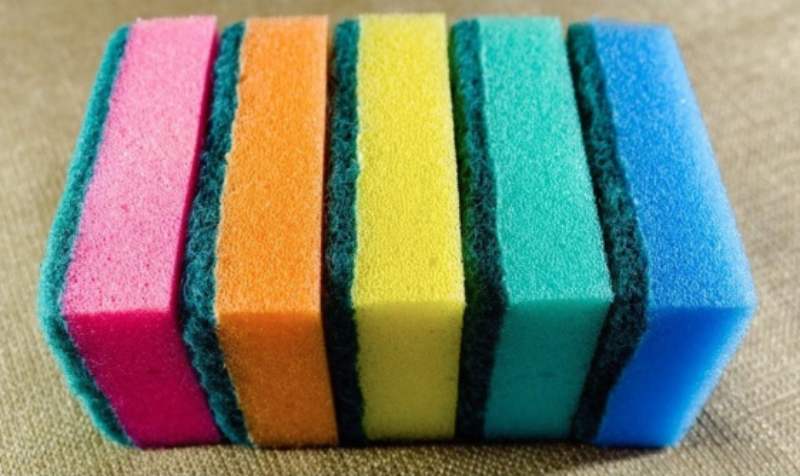
Colored dish sponges are not just an aesthetic element; each color has its specific purpose and contributes to better hygiene, effectiveness, and even marketing. Here we will look at what the individual sponge colors really mean and how they can affect your everyday household maintenance.
1. Hygiene first
One of the main reasons dish sponges are available in different colors is to ensure hygiene. By using different colors you can easily distinguish which task each sponge is intended for, thus avoiding cross-contamination. This minimizes the risk of transferring bacteria and ensures cleanliness in the kitchen and other areas.
-
Yellow sponge: This color is most often used for washing dishes and cutlery. It is a universal color indicating that the sponge is intended for cleaning dishes that come into direct contact with food.
-
Green sponge: The green sponge is usually used for cleaning kitchen counters, stoves, and other surfaces. It is a color that indicates the sponge is intended for maintaining larger surfaces and removing dirt outside the food preparation area.
-
Blue sponge: The blue sponge is ideal for cleaning bathrooms and other areas that are not directly related to food preparation. It helps you keep the distinction between cleaning in the kitchen and in the bathroom.
2. Functional and purpose-based differentiation
Different sponge colors also indicate their specific functions. Some sponges are made of tougher materials suitable for removing heavier dirt, while others are of softer materials that are gentler on delicate surfaces. Colors can therefore help you choose the right sponge for the task more quickly.
3. Marketing and aesthetics
Colored sponges are not just about practical use; they also play an important role in marketing. Different colors make products more attractive and allow manufacturers to offer a wide range of products that stand out from the competition. Color variations help customers recognize the brand and product type at a glance.
4. Sustainability and reuse
More and more manufacturers are focusing on producing sponges from recycled materials. Colors can play an important role in labeling materials and help consumers choose more sustainable options. The colors of recycled sponges often indicate what materials they are made from, enabling consumers to make informed and environmentally friendly choices.
Conclusion
Colored dish sponges are not just a fashion trend, but have a crucial impact on hygiene, efficiency, and marketing. Next time you choose a dish sponge, keep in mind that color may mean much more than just a visual effect. Make sure you use the right sponge for the specific task to ensure the cleanliness and efficiency of your home maintenance.