Article content
The florist recommends using ordinary kitchen items that end up in the bin every day – nothing more, nothing less.
They contain all the substances the plant needs:
-phosphorus, potassium, nitrogen, carbohydrates and magnesium – “golden” substances for a healthy life cycle of the flower.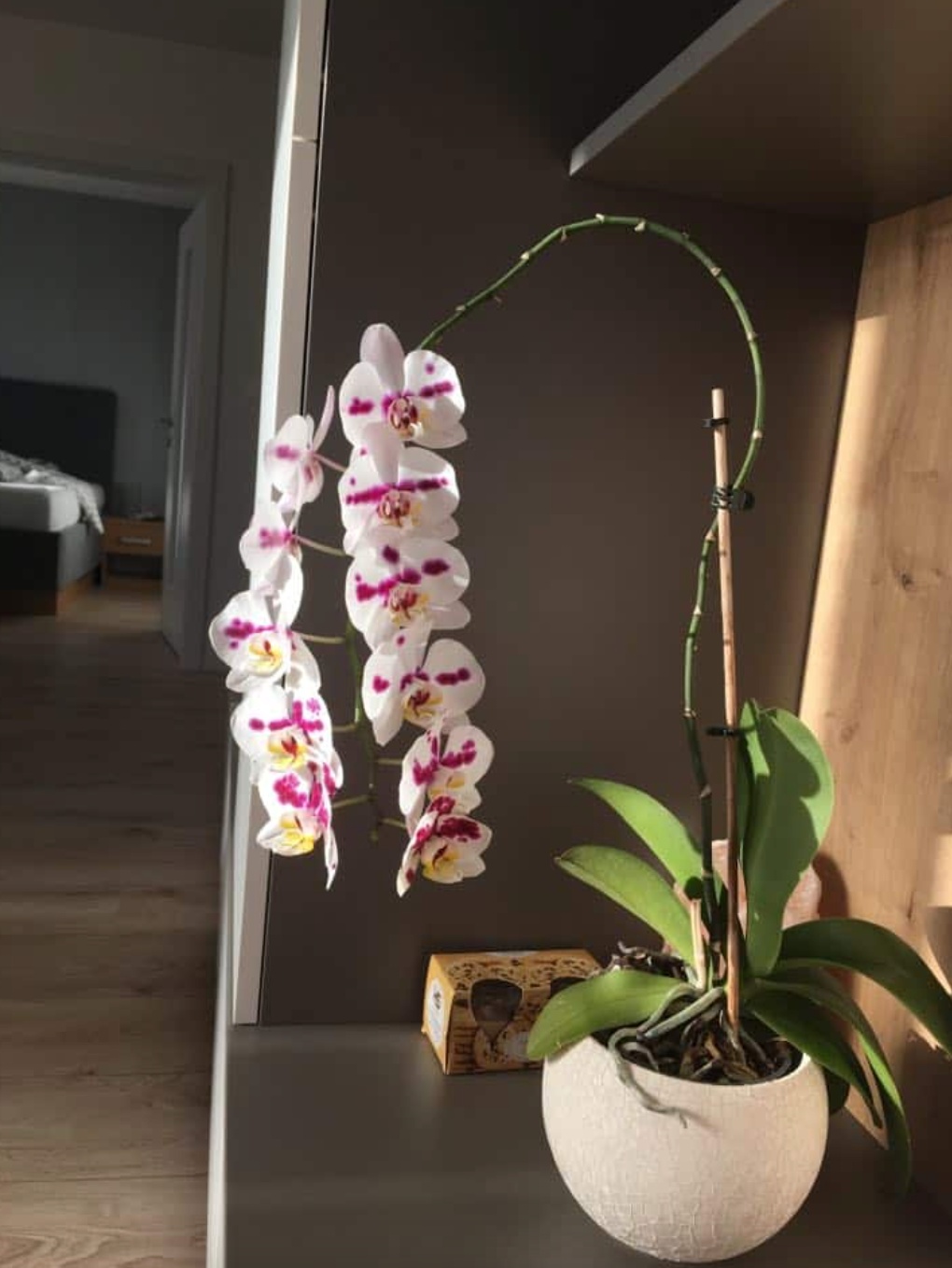
These trace elements enter the plant gradually and if you know how to use them correctly, they will ensure a beautiful little plant for many years.
This nourishment supports orchids during and before the flowering period.
Magic water for orchids and other houseplants – what ordinary rice can do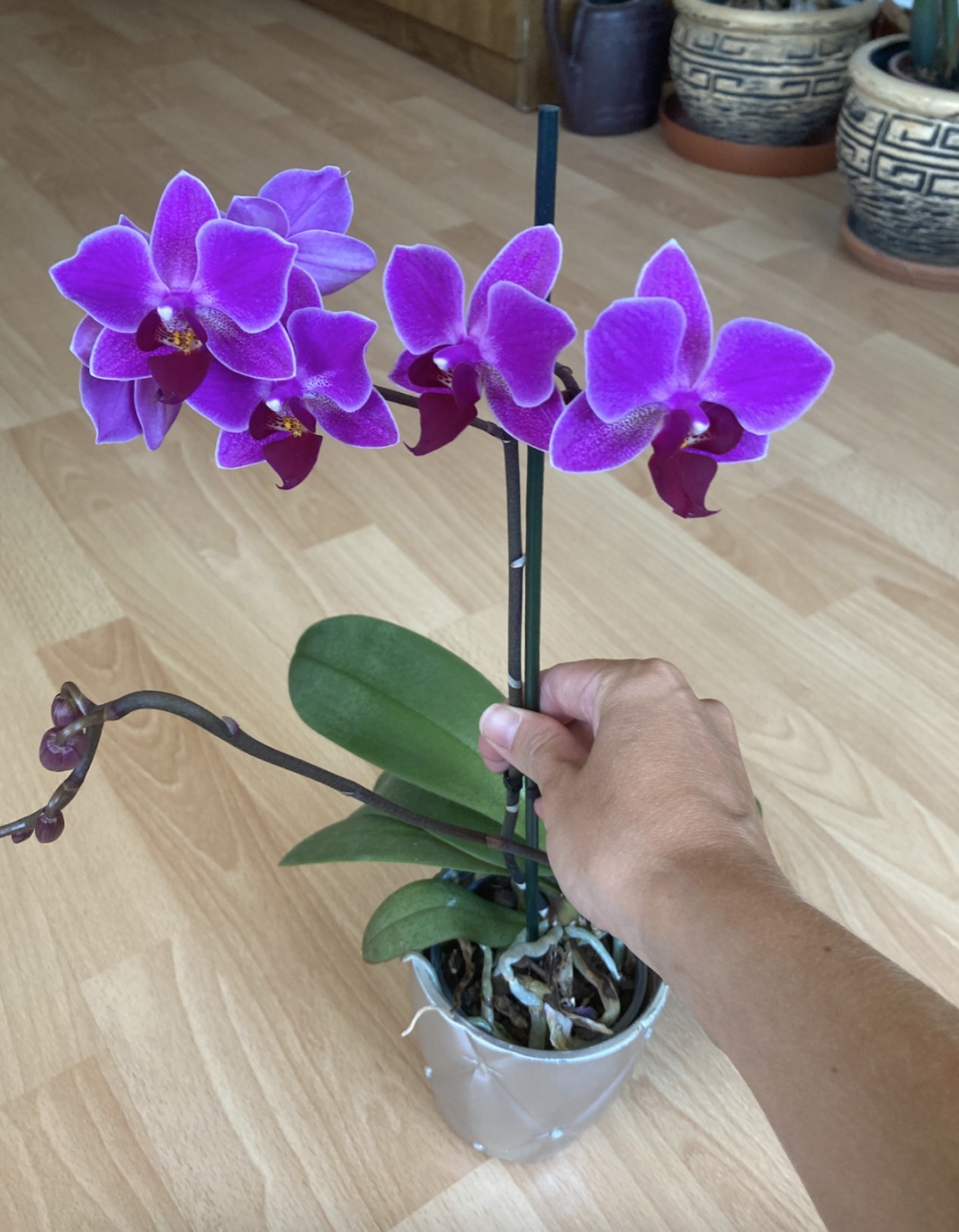
It’s nothing other than ordinary water from soaking rice. The water that many of us pour down the drain is full of vitamins and nutrients that plants need especially during flowering and growth.
Rice water contains a number of substances that we find in commercial plant fertilizers.
It contains B vitamins (especially B1 and B2), “NPK” elements (nitrogen, phosphorus, potassium), starches, fats, carbohydrates, and also complex nutrients that the plant converts into energy, strength and resistance to pests.
You can safely store the water in the refrigerator and use it when needed.
We water orchids and other plants once every 15-20 days. However, never water with cold water; the water must be at room temperature!
Preparation is simple – soak 50 g of rice in 500 ml of water, let it steep for 24 hours and then strain.
Dosage:
This mixture can be used only once (at most twice) per month during the growing season by pouring it onto the soil. Be careful of overfertilization: a sign of too much fertilizer is a white crust on the soil and browning or even dried-out leaves of the plant.
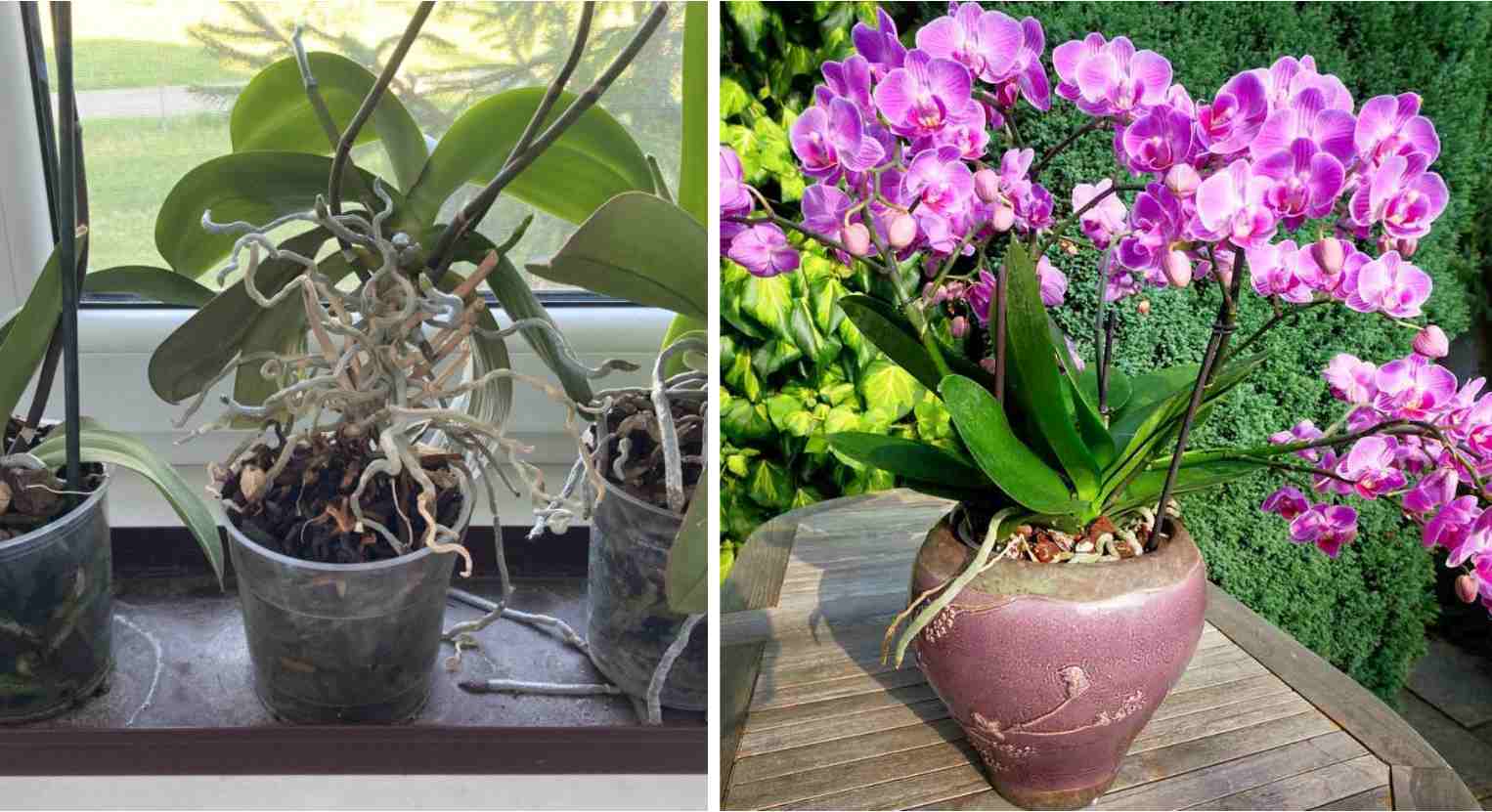
How to apply nourishment to an orchid
Apply the nourishment during the growth period, when the plant produces new leaves and shoots.
Use it every second watering, but carefully – only slightly. If you see that the plant continues to sprout – new leaves and shoots – continue providing the nourishment.
If growth stops, stop supplying the nourishment.
Provide nourishment during flowering. Important: this does not apply to flowering plants you have just brought home from the store. Let them bloom and start feeding them only after 3-4 months.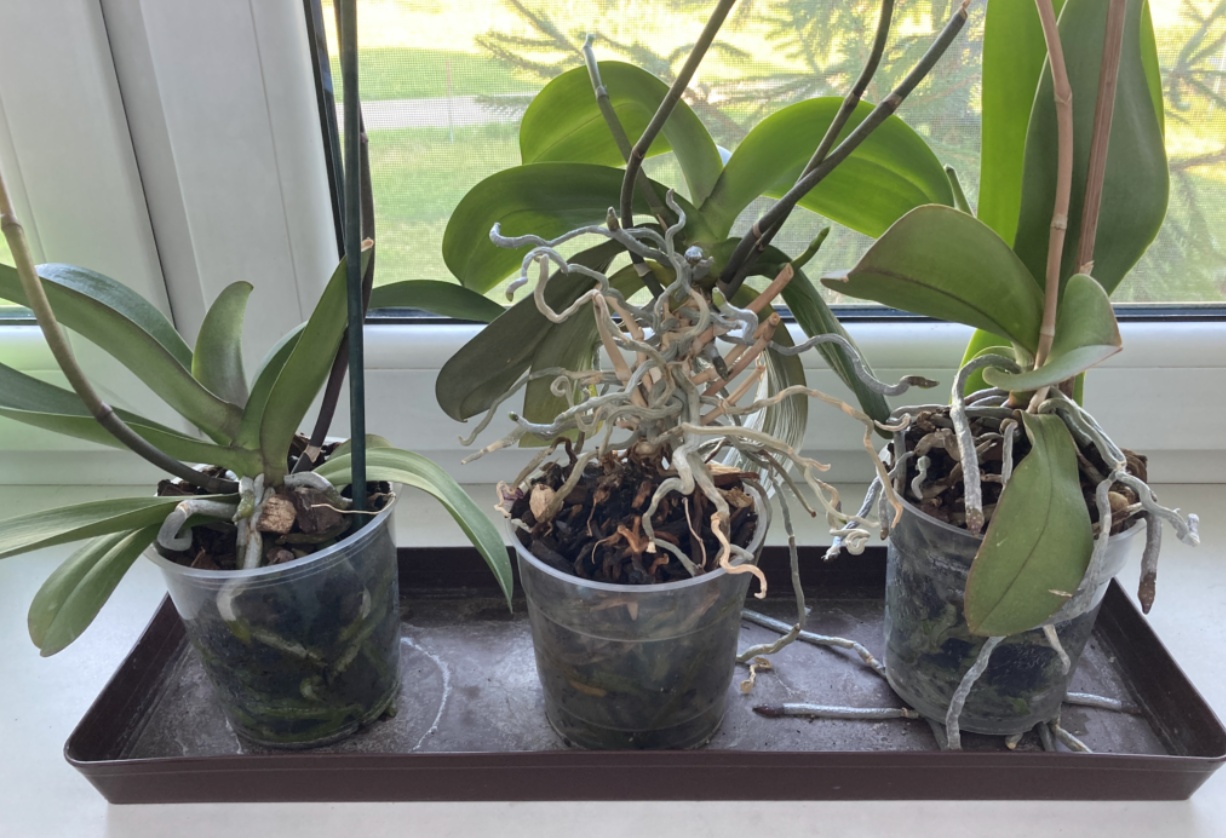
In the autumn-winter period and during summer heat phalaenopsis slows its growth, so it is not recommended to give nourishment more than once a month.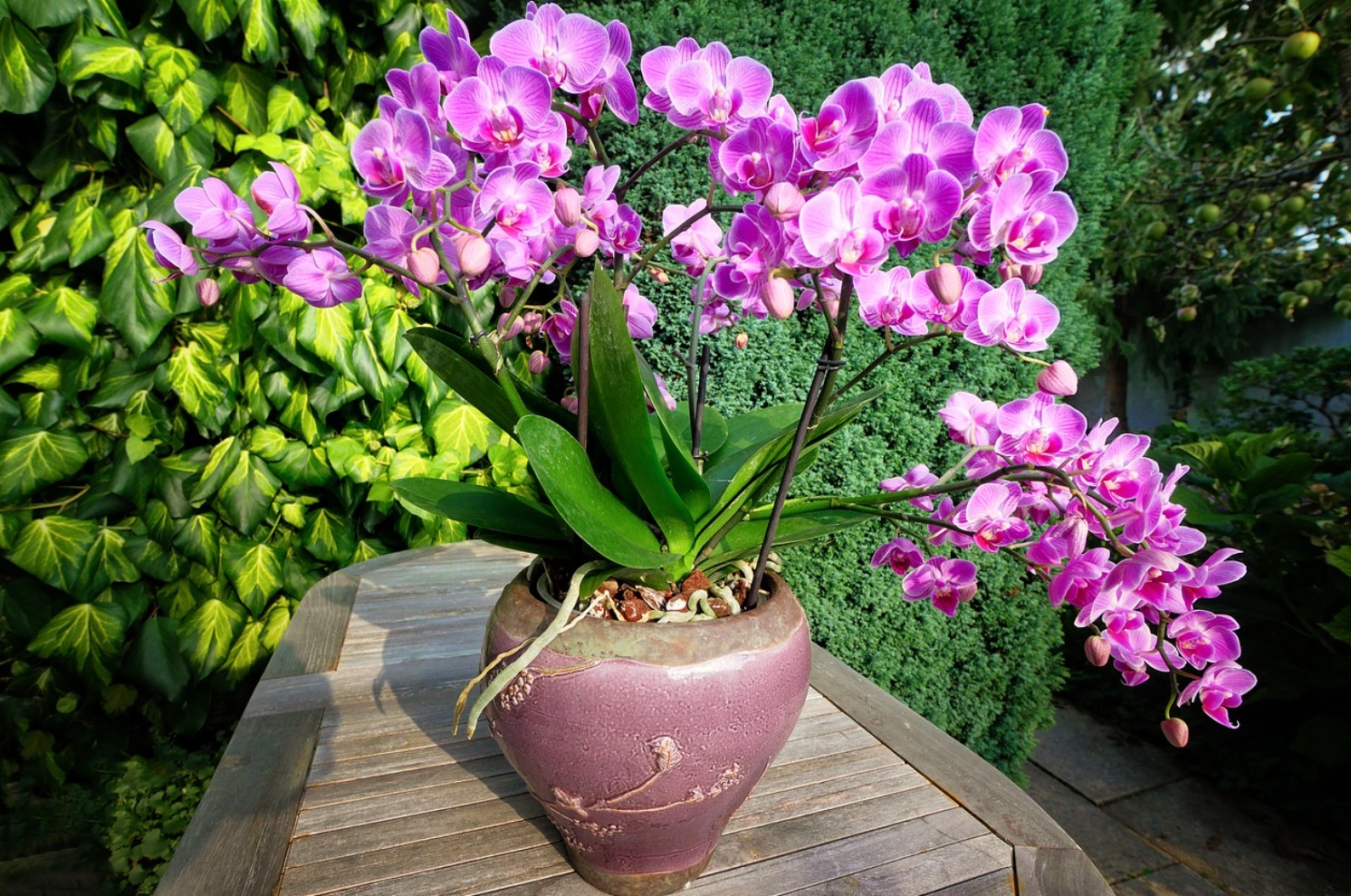
Sick, very weakened, and recently repotted plants should not be fertilized.