
Article content
In September there are fewer sun rays and temperatures drop, which for tomato growers means that although the plants are covered with green fruits, they will probably not have time to ripen. However, we have the perfect tip to help the plant gain enough energy to ripen the fruits from its own resources.
Remove the top at the end of the season
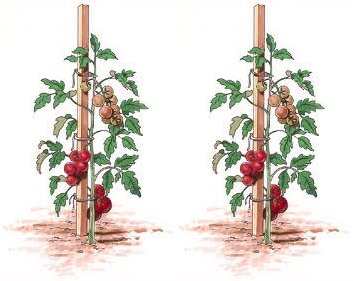
By removing the top at the end of the season you ensure that the fruits can ripen and the plant won’t exhaust itself on further branching and producing more fruits, but rather on ripening the already mentioned final fruits. When there is less sun and tomatoes ripen slowly, or even rot directly on the plant, don’t hesitate to save the last harvest this way. It’s an old and proven gardeners’ tip. While at the beginning of the season we remove the lower leaves, at the end of the season always the top of the plant.
How to do it:
-
Check the plants: First check your tomato plants and select those that still have green fruits.
-
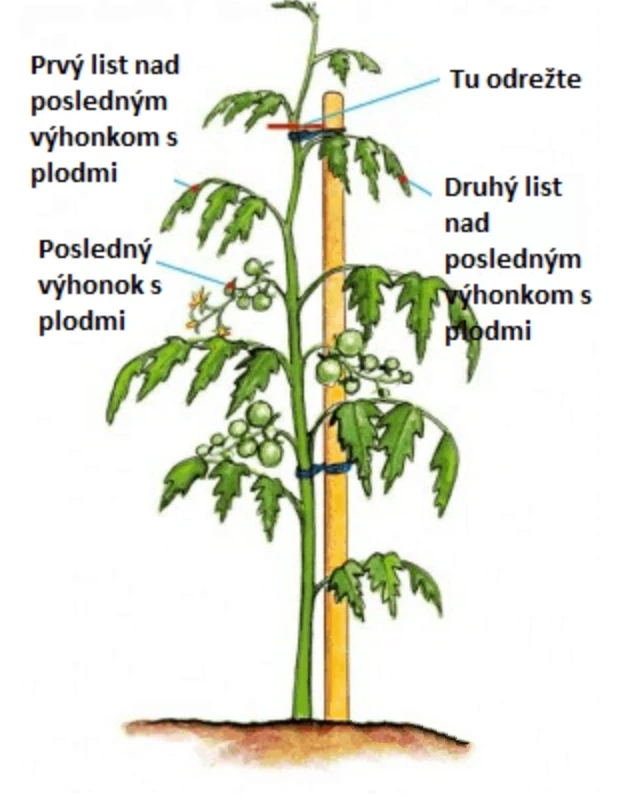
Find the top of the plant: Find the top of the plant, which is the highest point where the plant continues to grow.
-
Remove the top: Using garden shears or a sharp knife, cut off the top of the plant. This step will stop further vertical growth and redirect the plant’s energy to ripening the existing fruits.
-
Remove the lower leaves: To speed up ripening you can also remove the lower leaves of the plant. These leaves often carry diseases and molds that could threaten the plant’s health and slow down fruit ripening.
 More tips for ripening tomatoes:
- Watering: Make sure the plants have enough water, but not too much. Overwatering can cause fruit rot.
- Fertilizing: Use a fertilizer rich in potassium to support fruit ripening.
- Sunlight: If possible, provide the plants with as much sunlight as possible. Moving pots or staking/tieing the plants can help maximize sun exposure.
- Harvesting green tomatoes: If frost is forecast and the fruits won’t ripen on the plant, you can harvest green tomatoes and let them ripen at home on a windowsill.
Advantages of this trick:
- Energy savings for the plant: The plant won’t invest energy into growing new branches, but will focus on ripening existing fruits.
- Preventing rot: Fewer leaves mean better air circulation around the fruits, which reduces the risk of rot and mold.
- Higher yield: This way you can save the last harvest and pick more ripe tomatoes even at the end of the season.
By following these simple steps you can maximize your tomato yield and enjoy buckets full of ripe and tasty fruits even in the fall.
Try this proven gardening trick and see the results for yourself!