Article content
People go abroad on holiday and bring back spices typical for that country. Believing it to be a quality product, they are willing to pay a considerable amount of money for it. Unfortunately, in a world where almost nothing can be trusted, fake spices come onto the scene. Read the following article and you will find out whether the spice you recently bought is actually real or not.
How to recognize genuine spices?
Pepper
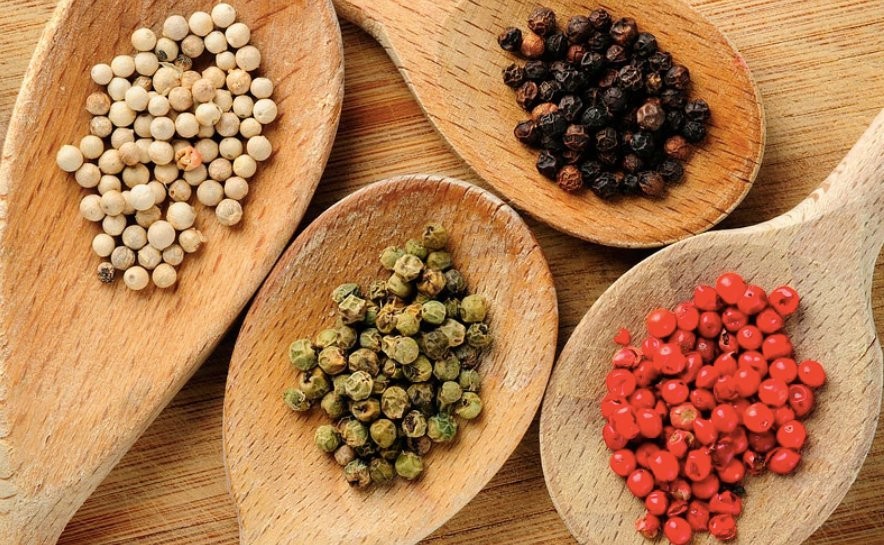
The diameter of pepper should not exceed 3-5 mm. When pressed it tends to break into larger pieces and leaves oily traces. Overdried spice or its imitation turns into powder when squeezed. The surface of green pepper is distinguished by its rich olive color and has a somewhat more crumbly structure. White pepper lacks the outer layer and differs by its light coffee color. Fresh pepper is between 5-8 mm in size. If you dip it in water, it will sink to the bottom.
Cinnamon
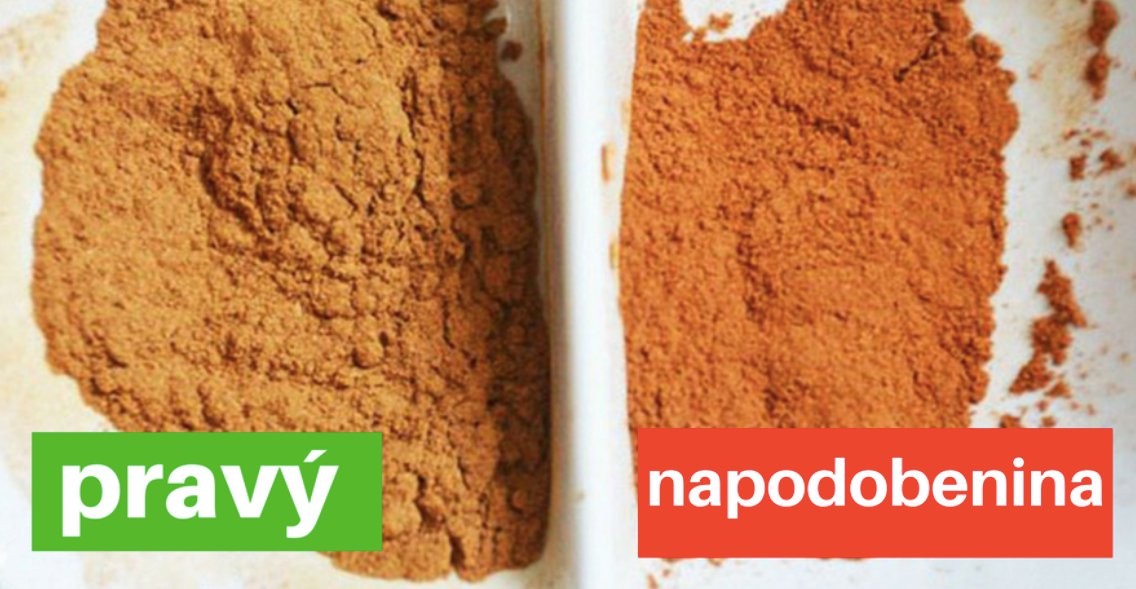
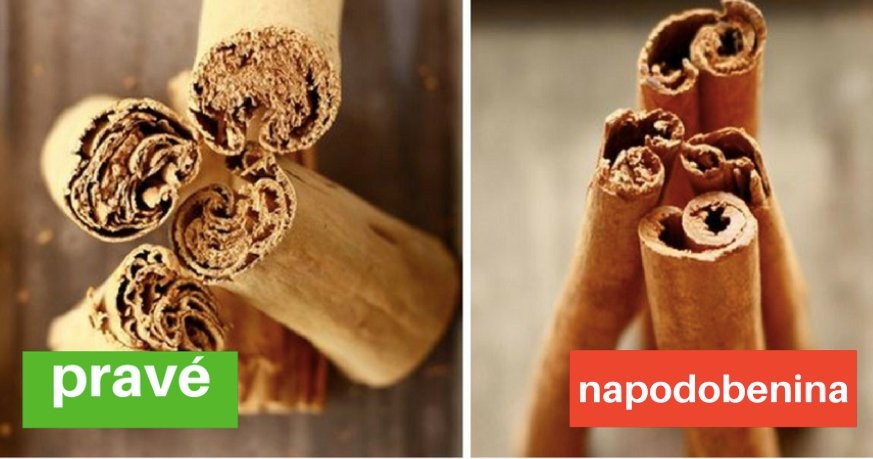
You can distinguish quality cinnamon from the fake both in ground and whole form. Iodine is often added to ground cinnamon. If the cinnamon is tinted pale blue, you are dealing with cassia — the most common cinnamon imitation. Cinnamon sticks are characterized by their reddish color and fine, crumbly texture. Cassia is coarser and curled to one side.
Saffron
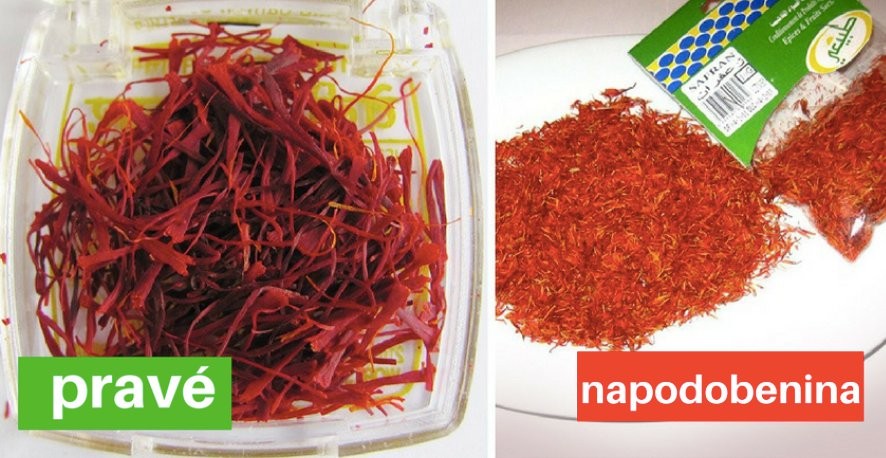
Very often, under the guise of this expensive spice are only dried safflower flowers, dried beet, or turmeric. You can distinguish it from fake saffron easily: it is extraordinarily expensive, has a homogeneous shape and a deep red color.
Vanilla
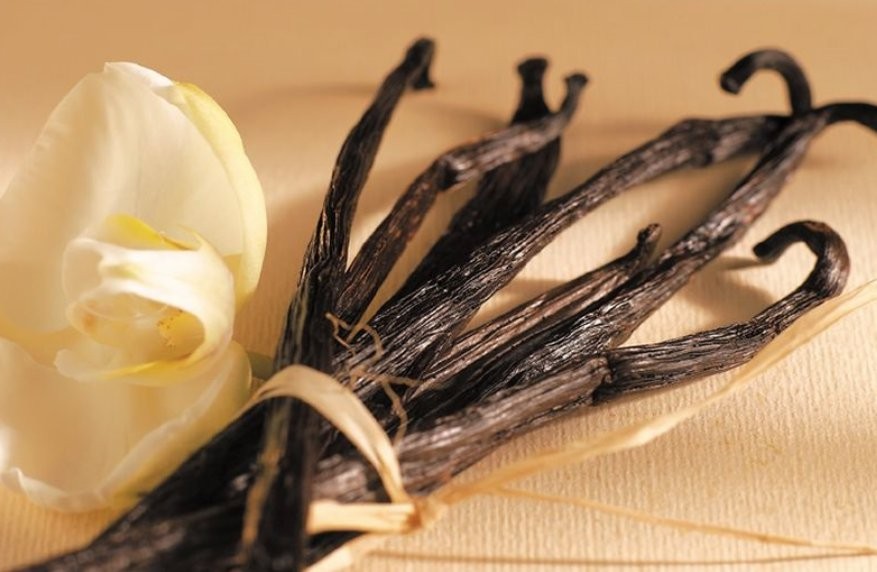
As for vanilla pods, they retain their properties for many years, and that is why it is better to prefer them over synthetic vanilla.
Clove
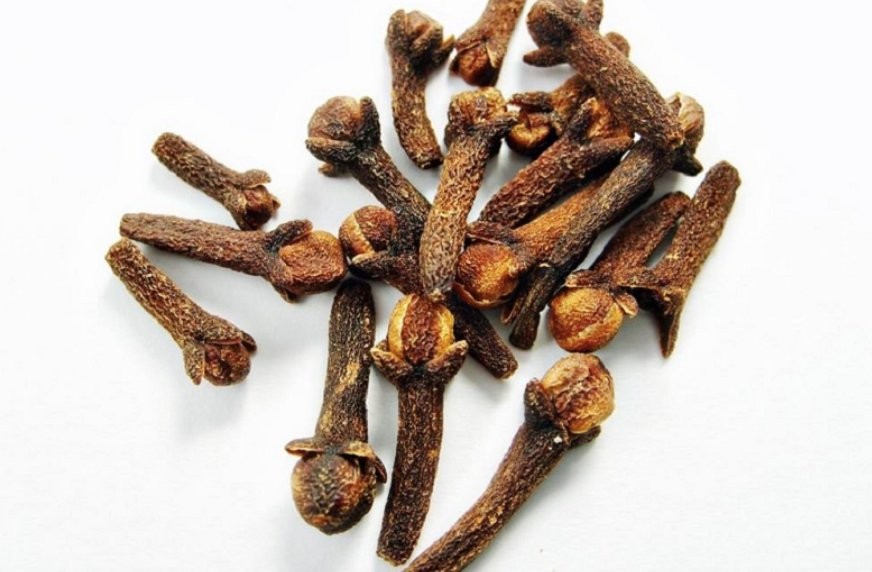
Real cloves have a strong aroma and a pungent taste. Their shape is uniform with a brown color and darker stalks of the buds. Like pepper, cloves release an oily liquid when crushed. If you put fresh cloves into water, they will sink; if they are of poor quality, they will float on the surface.
Cardamom
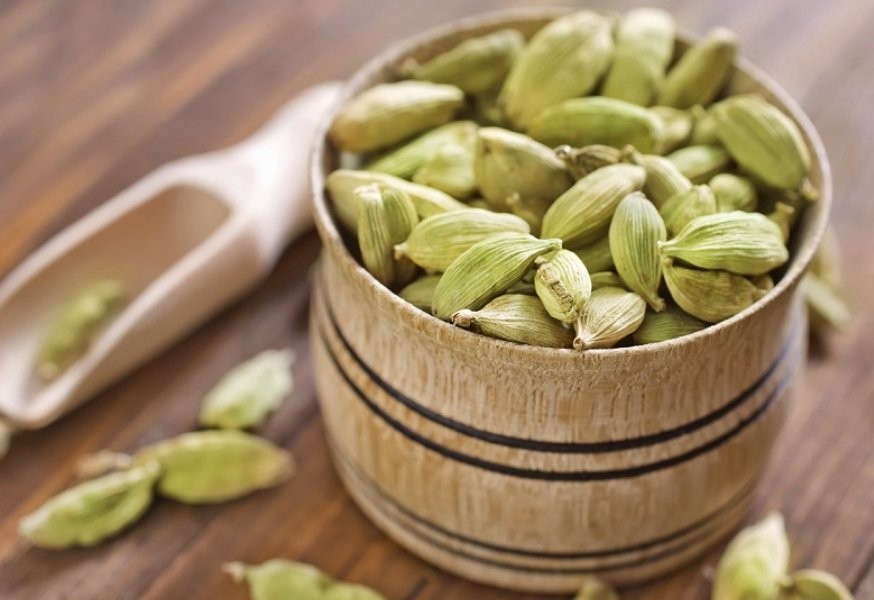
The quality of cardamom can be easily determined by its appearance: the length should not exceed 2.5 cm and it should have a brown-green color. A bright green color indicates it has been chemically dyed and a yellow color reveals poor drying.
Star anise
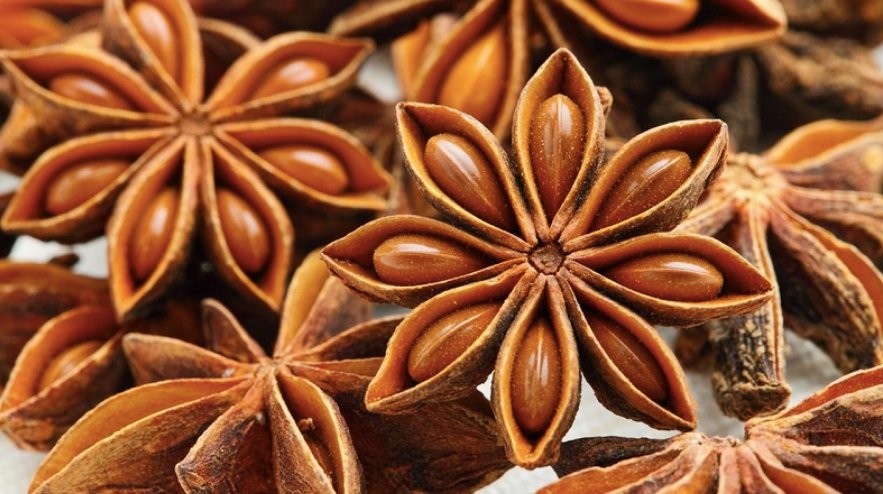
Properly colored star anise should have a reddish-brown color. When broken, it should exude an oily liquid. Brittle or overly dark pods are a sign of an inferior product.
Turmeric
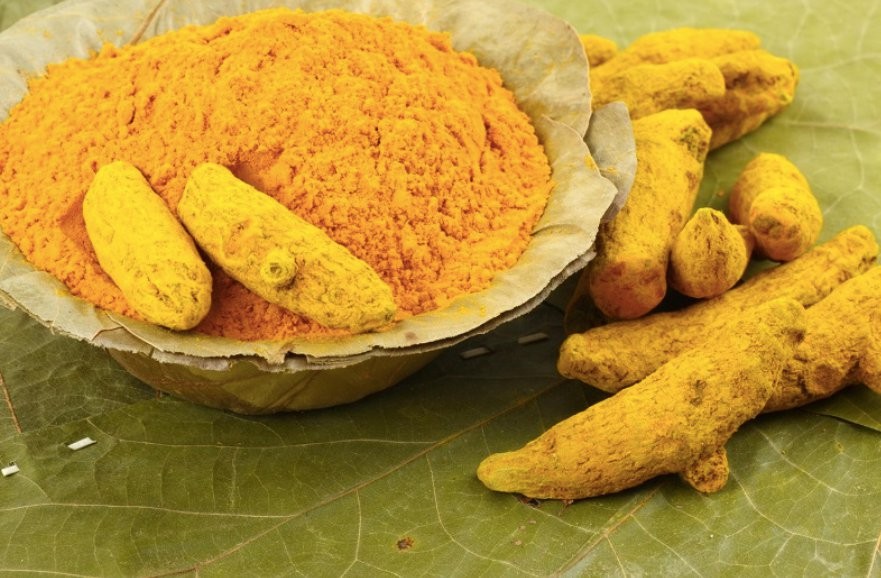
Not everyone knows that instead of turmeric people sometimes buy ordinary dyed flour. To check, dissolve a small amount of turmeric in water. If there are white spots on the surface, you have bought a turmeric imitation.