
Article content
Pulmonary embolism is a serious and potentially life-threatening condition that can have severe consequences. The symptoms of this disease are often similar to those that occur with a heart attack, which means it is important not to ignore warning signs and to seek medical help immediately. Here is an overview of what to watch for and what steps to take if you notice symptoms of pulmonary embolism.
What is pulmonary embolism?
Pulmonary embolism occurs when a blood clot, which usually forms in the deep veins of the legs (known as deep vein thrombosis), breaks loose and travels to the pulmonary arteries. Once the clot reaches the lungs, it can cause serious breathing and oxygenation problems, which can be rapidly fatal.
Who is at risk?
Pulmonary embolism can affect different groups of people. Those most at risk are patients who are bedridden for long periods, people with severe varicose veins, and people with deep venous problems. Various sedentary occupations, such as pilots or truck drivers who spend long hours without movement, also increase the risk of developing a pulmonary embolism.
Symptoms of pulmonary embolism
It is important to recognize the symptoms of pulmonary embolism in order to act in time. The most common symptoms include:
- Severe shortness of breath: Sudden or worsening breathing problems that can be very intense.
- Chest pain: Pain that can appear suddenly and is often felt as sharp or burning. It may worsen with deep breathing.
- Bloody sputum: A cough that may be accompanied by coughing up blood or blood-containing mucus.
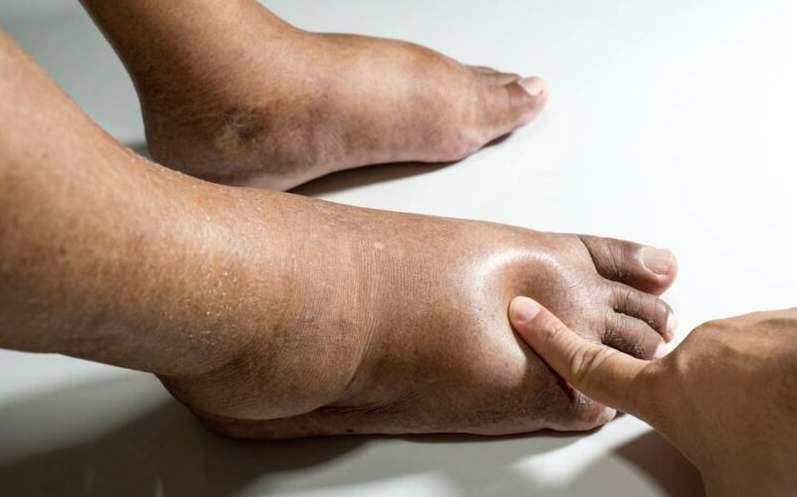
- Swelling of the legs: Sudden swelling of the legs that may be associated with pain and tenderness.
- Increased sweating: An unusual amount of sweating that may be a sign of a serious problem.
- Weakness: A feeling of weakness or malaise that may result from inadequate oxygen supply.
- Rapid pulse: An increased heart rate that is a response to attempts to compensate for low oxygen levels.
What to do if you have symptoms?
If you notice any of the above symptoms, contact your doctor immediately or seek emergency medical care. Pulmonary embolism is an urgent situation that requires rapid diagnosis and treatment.
Conclusion
After the age of 60, the chance of developing a pulmonary embolism doubles every 10 years. This means it is especially important to pay attention to your health and be vigilant if any unusual symptoms occur. Timely diagnosis and treatment can significantly improve the prospects for a successful recovery and prevent serious complications.


