
Article content
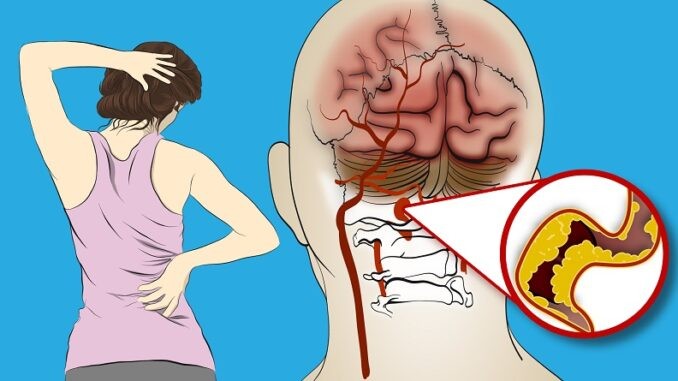
Stroke is the colloquial term for a sudden cerebrovascular event, which most often occurs due to an artery being blocked by a blood clot and a reduction of oxygen supply to the brain. A less common but equally serious cause is a ruptured artery or vessel, resulting in bleeding into the brain.
Statistics show that stroke affects women more often and that the likelihood increases significantly with age over 70. Because of hormonal changes during menopause, however, women are at risk already around the age of 50. It is therefore good to know the risks and symptoms of this health- and life-threatening condition so that timely intervention and medical help can be summoned.
Main risk factors for stroke
Besides the age mentioned above, the main risk factors for stroke include:
- heart rhythm disorders
- high blood pressure (with long-term use of contraceptives potentially posing an additional complication)
- smoking
- diabetes
- high cholesterol levels
- lack of healthy physical activity and the associated overweight or obesity
As part of stroke prevention, it is therefore desirable, if necessary, to adjust your lifestyle to reduce as much as possible the probability of experiencing a stroke. This will also do a lot for our overall health and better protect us against other serious diseases. Ideally, reduce stress, eat regularly and healthily, and devote time to active exercise, of course depending on your abilities and health condition.
Most common symptoms of stroke and how to help
As with any rapidly progressing threat to health and life, it is essential in this case to recognize the early signs of a stroke in time and call for medical help as soon as possible. Time is truly a key factor here, and aid should be provided to the affected person immediately, but no later than a few hours after the symptoms appear.
The most common symptoms by which a stroke manifests include
- a drooping corner of the mouth on the left or right side
- mental confusion, disorientation and difficulty understanding words
- severe headache
- loss of coordination
- impairment of movement in the left or right arm and leg, a feeling of weakness
- sudden vision problems, blurred vision
- impairment of the ability to speak, slowed speech, less clear speech
- a tingling sensation in the hands and feet
If you believe that the person you are currently in contact with is having a stroke because they exhibit some of the listed symptoms, there are methods to check whether this is indeed the case and whether emergency medical services should be alerted as soon as possible.
The person should be able, on your request, to extend their arms forward with the palms facing down. They should also be able to whistle or smile so that their teeth are visible. If the person is unable to comply with such requests and you can see, for example, that their arm seems to droop, urgent action is required. Call for medical help and, until it arrives, place the person on their back and tilt their head back. Stay with them and monitor them, especially their breathing, until the doctor arrives.


